Best Bologna Food Tours (Compared)
Bologna food tours aren’t equal. Small groups with native guides mean real access, better tastings, and zero rush, here’s how to choose the right one.
Decide whether you want tasting, private guide time, hands-on cooking or a producer day. Those are meaningful differences to pay for. Choose Your Food Experience.
TL;DR
Choose the format before comparing prices: guided tasting for variety, private for your own guide, cooking for technique, or producers for a full day beyond the city.
What’S The Difference Between Small Group And Large Group Food Tours In Bologna’S Historic Center?
Check Bologna Food-Walk Availability
Which Bologna departure could become the anchor for your food day? The three-hour route combines local tastings with a guide to connect the stops.
Group size appears as fine print in tour descriptions, but it transforms your entire experience at Bologna’s family-run shops and markets in the Quadrilatero district.
Small Group Tours (6-10 people)
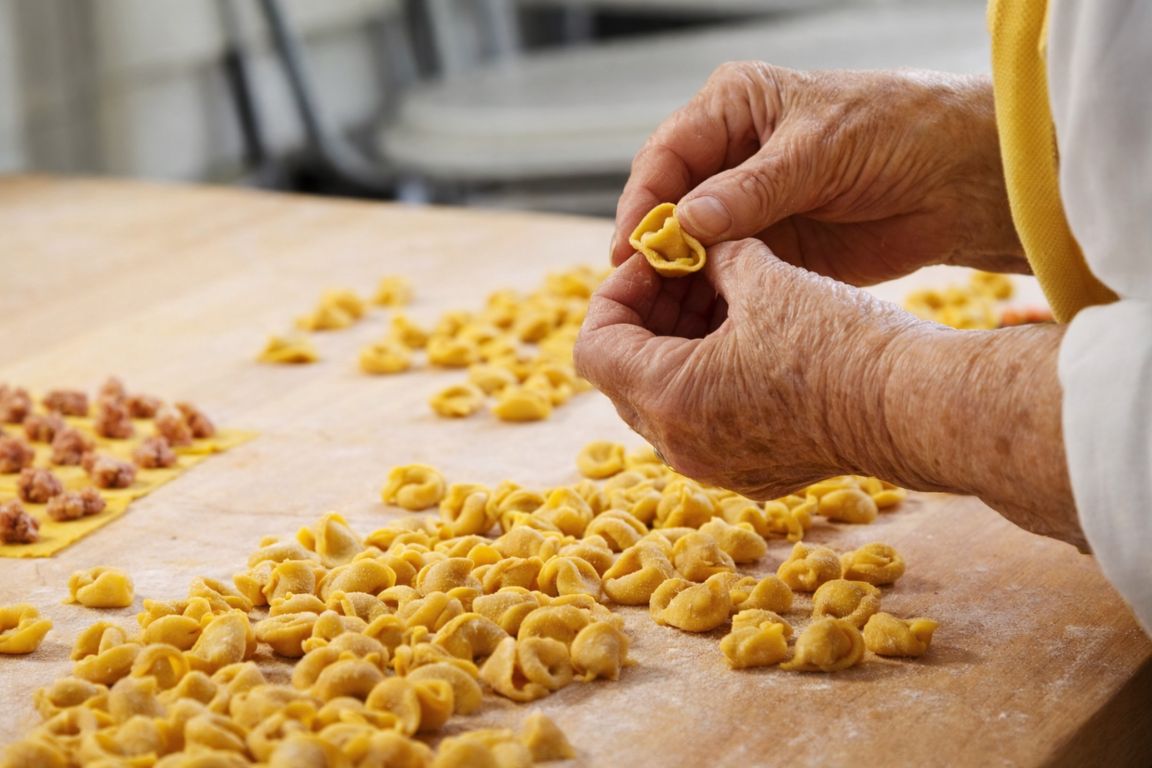
You walk into the salumeria and everyone fits comfortably. The owner greets your guide warmly, takes time explaining how they’ve been making mortadella the same way since 1963, and answers individual questions. You can hear everything the guide says without straining. At the pasta lab, you gather close enough to watch the sfoglina’s hands folding tortellini, seeing the exact finger movements that seal each piece.
The guide adjusts pacing based on group energy. Someone asks about the difference between tortellini and tortelloni – the guide spends five minutes explaining regional pasta variations because there’s time and space for those conversations. You’re not waiting outside shops while half the group finishes tasting.
Large Group Tours (16-20+ people)
The salumeria can’t fit 20 people. Half the group waits outside on the street while the front half tastes mortadella, then you shuffle in for your rushed turn while the guide is already explaining the next stop to early finishers. The vendor smiles politely but this is the third tour group today and it’s clearly a transaction, not a relationship.
At the pasta demonstration, you’re in the back, can’t see the sfoglina’s hands, can barely hear the guide over street noise. Someone in front asks a question – you don’t catch either the question or the answer. The guide uses a microphone for groups this size, which breaks the intimate educational atmosphere.
Group Size Comparison Table:
Planning examples in this table are not current quotes or measured guarantees. Confirm prices, opening hours, party size and inclusions directly for your date.
| Aspect | Small Group (6-10) | Medium Group (11-15) | Large Group (16-20+) |
|---|---|---|---|
| Price Per Person | €90-120 | €75-95 | €60-80 |
| Shop Experience | Comfortable, everyone fits | Slightly crowded | Half waiting outside |
| Guide Interaction | Easy to ask questions | Some waiting for turn | Hard to hear, limited questions |
| Vendor Engagement | Personal, relationships visible | Friendly but transactional | Purely transactional |
| Pacing | Flexible based on interest | Fixed schedule, some rushing | Rushed, must keep moving |
| Education Quality | Deep, personalized | Good, less flexible | Surface-level |
| Worth The Price? | YES – best value for quality | YES – good compromise | NO – cheaper but frustrating |
Ask operators specifically: “What’s the maximum number of participants on this tour date?” Don’t accept vague “small group” promises without numbers. Quality Bologna food tours clearly state maximum group sizes upfront.
What Should You Expect From Morning vs Afternoon Food Tours in Bologna’s Mercato di Mezzo?
Tour timing changes more than convenience – it alters which foods you emphasize, vendor availability, and group atmosphere around Bologna’s historic market.
Need help choosing? This comparison of Bologna Italy food tours vs eating on your own shows exactly when each option makes sense.
Morning Tours (9:30-10am start)
The pasta lab is active. Sfogline arrive at 8am to roll dough when it’s cool, before afternoon heat affects texture. You watch them working at full production speed, making tortellini for lunch service at restaurants across Bologna. This isn’t a demonstration staged for tourists – it’s actual pasta production you’re observing.
Mercato di Mezzo bustles with morning energy. Vendors arrange fresh displays, regulars shop for lunch ingredients, and the guide’s timing lets you see the market as Bolognese residents experience it. The fishmonger is still setting up, vegetable stands showcase morning deliveries, and cheese vendors are cutting fresh Parmigiano wheels.
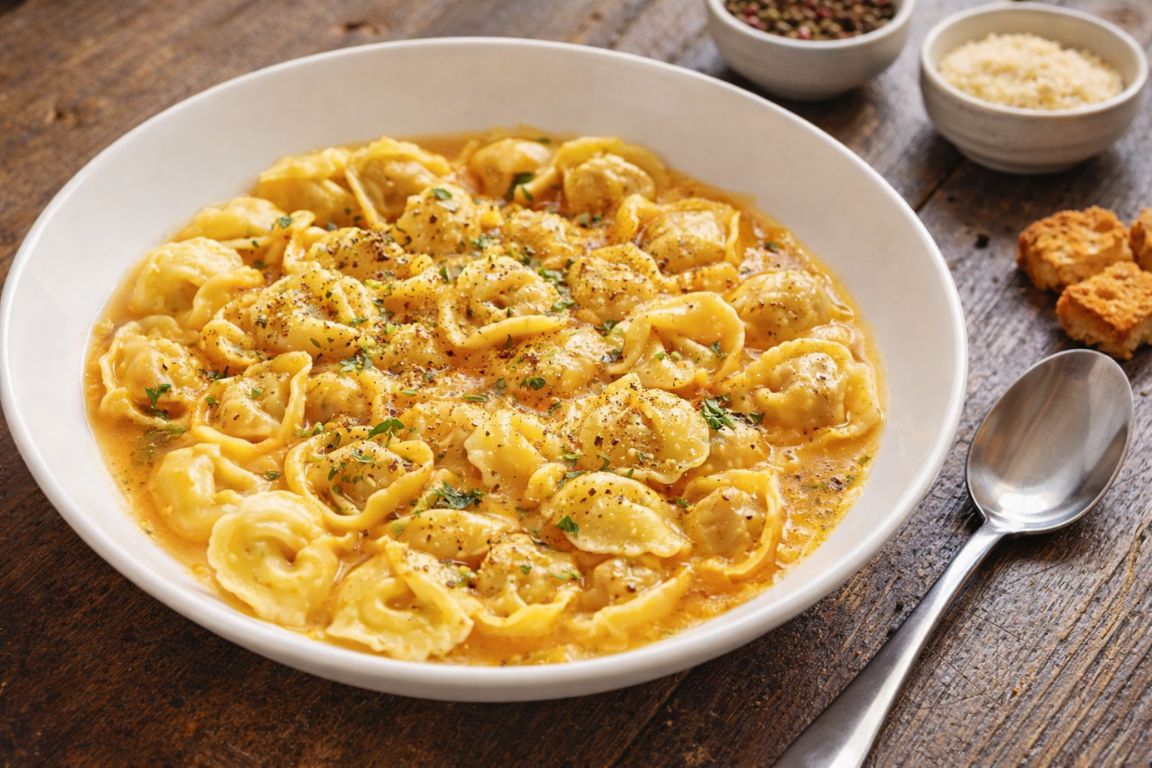
You taste tortellini in brodo (clear capon broth) – the traditional mid-morning snack Bolognese families have eaten for generations. Wine appears minimally, maybe a small taste with prosciutto, but alcohol isn’t the focus before noon. The tour ends 12:30-1pm, leaving your afternoon free for museums or independent exploration.
The crowd skews toward serious food enthusiasts and older travelers who wake early. Everyone’s fresh, attentive, asking detailed questions about pasta-making techniques and regional food history.
Afternoon Tours (2-3pm start)
The pasta lab still operates but production has slowed. Demonstrations happen specifically for tour groups rather than observing active commercial production. It’s perfectly fine – you learn the same techniques – but the energy differs from morning’s working kitchen atmosphere.
Markets are quieter. Many vendors begin packing up by 3pm. You’ll access shops and specialty food stores, but the bustling morning market energy is gone. For some visitors, this is actually preferable – fewer crowds means more relaxed browsing.
Wine takes center stage. Afternoon tours typically include 3-4 wine tastings with food pairings, creating a social aperitivo atmosphere. You might get full glasses of Pignoletto or Sangiovese rather than small sips. The emphasis shifts from pasta education toward cured meats, aged cheeses, and how wine enhances each.
The tour replaces lunch for most participants (2pm start means you’ve skipped lunch anyway). Finishing at 5:30-6pm means you won’t want dinner for several hours, perfect for late Italian dining around 9-10pm.
The crowd is more social and mixed-age. Wine loosens conversation, people chat between stops, and the atmosphere feels like a group outing with new friends rather than an intensive food education class.
Morning vs Afternoon Tours Comparison:
| Factor | Morning Tours (9:30am-10am) | Afternoon Tours (2-3pm) |
|---|---|---|
| Pasta Production | Active commercial work, full energy | Demonstrations, slower pace |
| Mercato di Mezzo | Peak activity, vendors setting up fresh displays | Quieter, some vendors closing by 3pm |
| Signature Dish | Tortellini in brodo (traditional morning) | Tigelle with salumi (afternoon merenda) |
| Wine Focus | Minimal – small tastes only | Prominent – 3-4 wine pairings, full glasses |
| Finish Time | 12:30-1pm (afternoon free) | 5:30-6:30pm (evening free, too full for dinner) |
| Crowd Energy | Attentive, fresh, education-focused | Social, relaxed, conversational |
| Alcohol Consumption | Light or none | Moderate to significant |
| Best For | Serious food learners, pasta enthusiasts, museum plans after | Wine lovers, social experience, late dinner plans |
Neither is objectively better – choose based on your interests and daily schedule when booking Bologna food tours.
How Do Standard vs Extended Bologna Food Tours in the Quadrilatero Compare?
Most Bologna food tours run 3-4 hours covering core tastings through the Quadrilatero district. Extended tours add 1-2 hours for cooking demonstrations, additional neighborhoods, or deeper vendor access.
Standard Tours (3-4 hours, 6-8 stops)
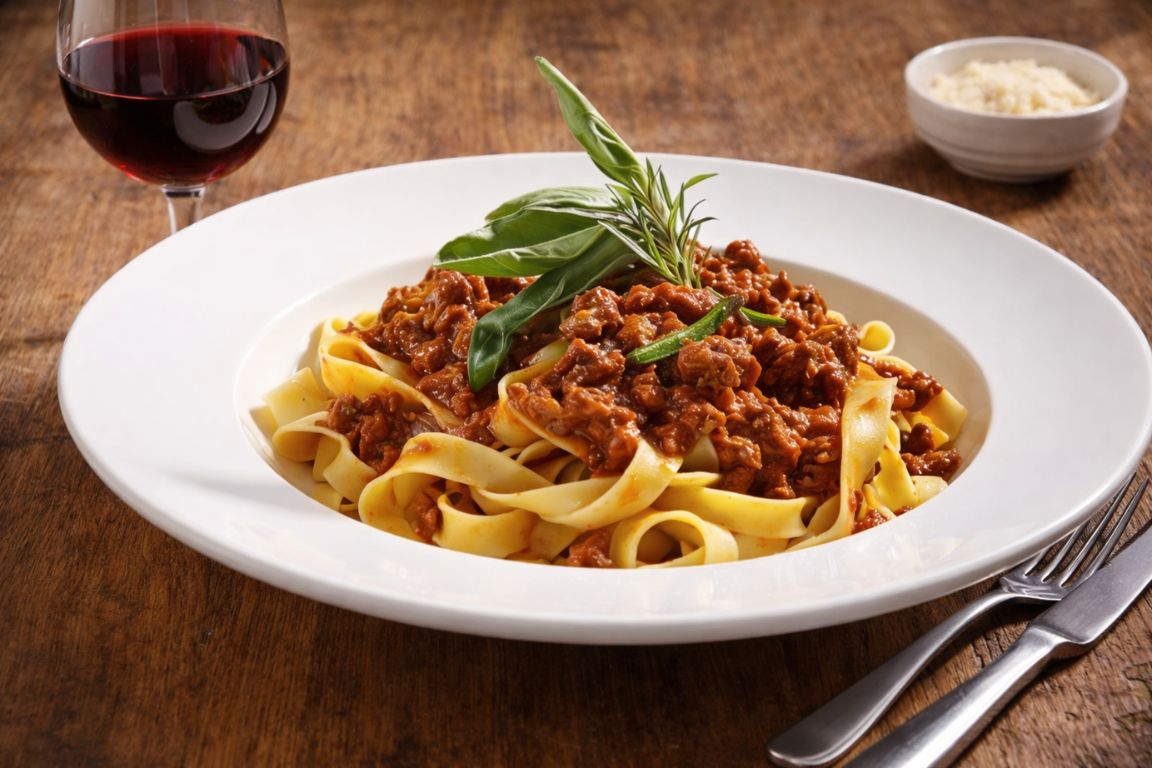
You cover Bologna’s essential foods efficiently: mortadella at Mercato di Mezzo, tortellini demonstration and tasting, tagliatelle al ragù, Parmigiano at multiple ages, traditional balsamic vinegar, tigelle or crescentine with prosciutto, gelato. The guide explains each item’s history and production methods while moving through the historic center’s main food areas.
Walking distance is 1.5-2km, manageable for anyone with basic mobility. Portions at each stop are tasting-size (3-4 bites), adding up to a full meal across all tastings. The pace stays leisurely with breaks every 15-20 minutes, but the tour maintains forward momentum.
This format works for visitors with limited time, travelers combining food tours with museums or other activities, and anyone who wants comprehensive overview without exhaustive detail.
Extended Tours (5-6 hours, 9-12 stops)
Extended tours add hands-on pasta-making (you actually fold tortellini under the sfoglina’s guidance, not just watch), visits to additional neighborhoods beyond the Quadrilatero (university district trattorias, residential areas where locals shop), or expanded wine pairings with sommelier-level education about Emilia-Romagna wine regions.
Some extended tours include a seated meal component – not just tastings at counters but an actual course served at a partner restaurant where you eat proper portions of tortellini in brodo or tagliatelle al ragù.
Walking increases to 2.5-3km. More standing time (demonstrations last longer when you’re participating). You’ll be full by the midpoint and continuing to taste for educational purposes rather than hunger.
This format suits serious food enthusiasts willing to dedicate half a day purely to food education, travelers staying 4+ days in Bologna who want deeper immersion, and anyone particularly interested in pasta-making techniques or wine education.
Standard Vs Extended Tours:
Planning examples in this table are not current quotes or measured guarantees. Confirm prices, opening hours, party size and inclusions directly for your date.
| Type | Duration | Stops | Price | Walking | Best For |
|---|---|---|---|---|---|
| Standard | 3-4 hours | 6-8 | €75-100 | 1.5-2km | Most visitors, balanced schedule |
| Extended | 5-6 hours | 9-12 | €120-180 | 2.5-3km | Food enthusiasts, multi-day stays |
| With Cooking | 4-5 hours | 6-8 + hands-on | €140-200 | 2km + standing time | Pasta enthusiasts, hands-on learners |
| Wine-Focused | 4-5 hours | 6-8 + extra wine | €110-150 | 2km | Wine lovers, afternoon preference |
Extended tours provide depth, standard tours provide breadth. Most first-time visitors should start with standard 3-4 hour tours available through Bologna food tour operators.
What Makes Bologna Food Tour Guides in the Historic Center Actually Good?
Two tours with identical routes and tastings through Bologna’s medieval streets deliver completely different experiences based on guide expertise.
Native Bolognese Guides
The guide grew up in Bologna, learned to make tortellini from her grandmother starting at age six, and her family has lived in the Quadrilatero for four generations. She knows the salumeria owner because they were in school together. The cheese vendor’s father taught her about Parmigiano aging when she was a teenager working summer jobs at the market.
When she explains why mortadella contains pistachios, she references the historical spice trade routes through Bologna’s medieval university town. When discussing tortellini filling recipes, she mentions the ongoing family debate (her grandmother insisted on less mortadella, more prosciutto, while her aunt prefers the opposite ratio – neither ever admitted the other might be right).
She adjusts explanations based on group interest. Someone asks about modern pasta regulations versus traditional methods – she spends ten minutes on EU food laws because she actually understands the regulatory framework. Another person wants to know where locals shop for everyday groceries – she provides specific recommendations in residential neighborhoods tourists never see.
When weather changes or a shop is unexpectedly closed, she reroutes seamlessly to alternative vendors with equivalent quality. She knows which days each vendor receives fresh mortadella deliveries, which sfoglina is having an exceptional day with her pasta dough, and which restaurants currently have the best ragù.
Generic Guides (Non-Bologna Natives)
The guide moved to Bologna two years ago to lead tours. She learned about tortellini from a training manual. Her relationship with vendors is professional but new – they tolerate tour groups because it’s business, not because of personal history.
When she explains mortadella, she recites facts from guidebooks: “Mortadella was invented in Bologna and contains pork, pork fat, black pepper, and pistachios.” Accurate but surface-level. She doesn’t know why those specific ingredients or how the recipe evolved over centuries.
Questions beyond the script challenge her. Someone asks about the difference between IGP and DOP certification – she gives a vague answer about “quality standards” because she doesn’t actually understand the regulatory distinctions. Another person wants tortellini recipe proportions – she doesn’t know and can’t ask the sfoglina (they don’t have that relationship).
When the planned shop is closed, she scrambles. The backup vendor is convenient but serves tourist-grade mortadella, not the artisan quality the tour promised. She doesn’t know the difference or doesn’t care enough to walk further for better alternatives.
The information she provides is technically correct but lacks cultural context, family stories, and the deep understanding that makes food education meaningful rather than memorizing facts.
Native Vs Generic Guide Comparison:
| Quality | Native Bolognese Guide | Generic Guide |
|---|---|---|
| Bologna Connection | Multi-generational family history | Moved here recently (1-3 years) |
| Vendor Relationships | Personal, decades-long | Professional, transactional |
| Cultural Knowledge | Deep family stories, traditions | Guidebook facts, surface level |
| Flexibility | Adapts routes, adjusts to interests | Fixed script, limited adaptation |
| Regulatory Understanding | Explains IGP/DOP differences, EU laws | Vague “quality standards” answers |
| Problem Solving | Seamless backup plans, quality maintained | Scrambles, accepts inferior alternatives |
| Language | Native Italian, cultural nuances | Learned Italian, literal translations |
| Worth Premium? | YES – transforms experience | NO – adequate but forgettable |
Private Tour Advantages:
Complete schedule control (start time, duration, pacing). You want to spend 30 minutes discussing aged Parmigiano differences? The guide dedicates that time because you’re paying for exclusive attention. You’re exhausted after 2.5 hours? The tour ends when you say it ends.
Dietary customization happens naturally. You hate aged cheese? The guide skips it and adds extra time at the pasta lab instead. You’re specifically interested in wine? The entire route shifts to emphasize enotecas and wine shops over standard food stops.
Questions get answered immediately and thoroughly. No waiting for the guide to finish explaining something to 12 other people. Your curiosity drives the conversation.
Personal stories and conversations develop. Group tours maintain professional guide-client boundaries. Private tours often evolve into genuine exchanges about food, culture, and family traditions when chemistry works.
Private Tour Disadvantages:
Cost is 2-3x higher per person. A €90 small group tour becomes €200-250 per person for private tour with same guide quality and tastings. For solo travelers or couples, this is €400-500 total versus €180-200 joining a small group.
Less energy and group dynamic. Food tours benefit from collective surprise and delight – everyone trying mortadella for the first time and reacting together creates shared experience. Private tours lack that energy unless you bring an enthusiastic group of friends.
Some vendors interact differently. Family shops enjoy the energy of small groups – it creates festive atmosphere. Two people on a private tour sometimes feels overly formal or awkward compared to a cheerful group of eight.
When Private Tours Make Sense:
Specific requirements discussed and confirmed with the operator in advance. A private tour does not guarantee allergy safety or dietary accommodation
Traveling with very young children who need flexible pacing and can’t sustain 3-4 hour group tours
Specific deep-dive interests (you’re a professional chef studying ragù variations, or a sommelier researching Emilia-Romagna wine regions)
Large group of friends/family (6-8 people) where private tour cost per person approaches small group pricing
Scheduling constraints (you can only tour on Tuesday at 3pm and no group tours run that time)
Before you book, you might want to know what to expect on a Bologna Italy food tour – it’s not quite what most people imagine.
Private Vs Small Group Comparison:
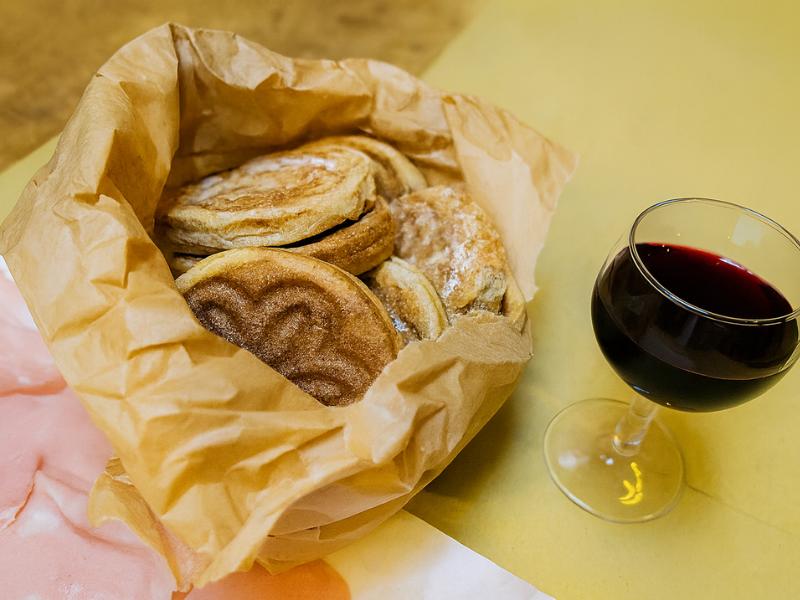
Bologna Walking Food Tour With A Local Expert
What could a local expert reveal between Bologna’s tasting stops? Taste pasta, cheese, cold cuts, wine and gelato while a local expert connects the stops.
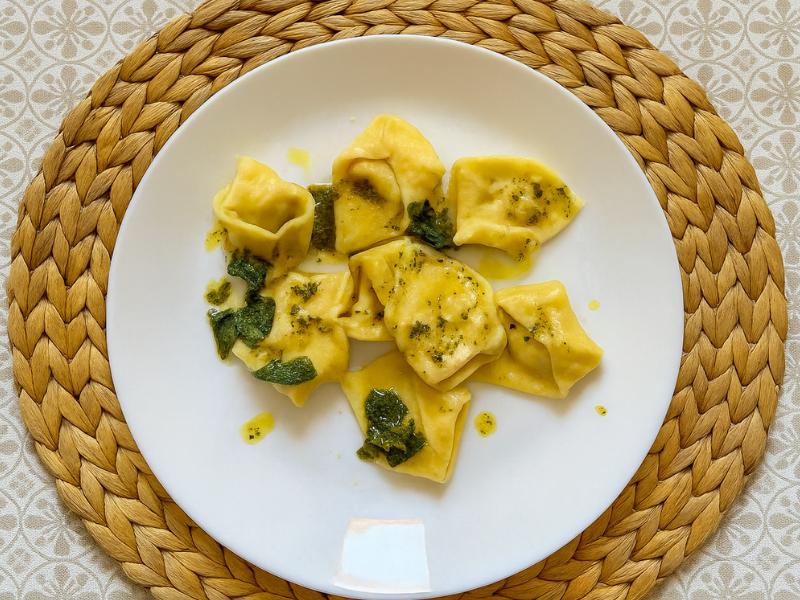
Pastamama Home Pasta Class And Lunch
Planning a pasta-making lunch? Check your date before reserving another meal, then prepare fresh pasta in a Bologna home kitchen.
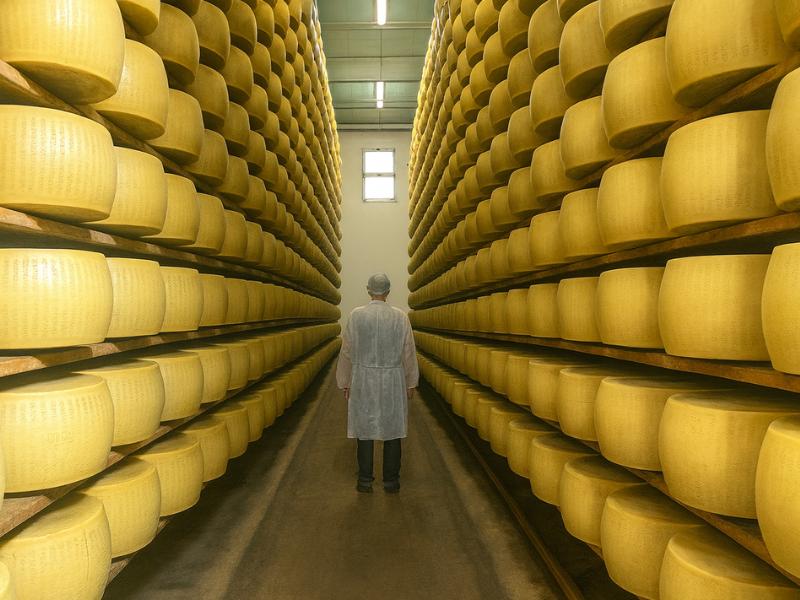
Italian Days Food Producers And Lunch
What lies behind the region’s cheese, balsamic and cured meats? Visit regional cheese, balsamic and cured-meat producers with transport, breakfast and lunch arranged.
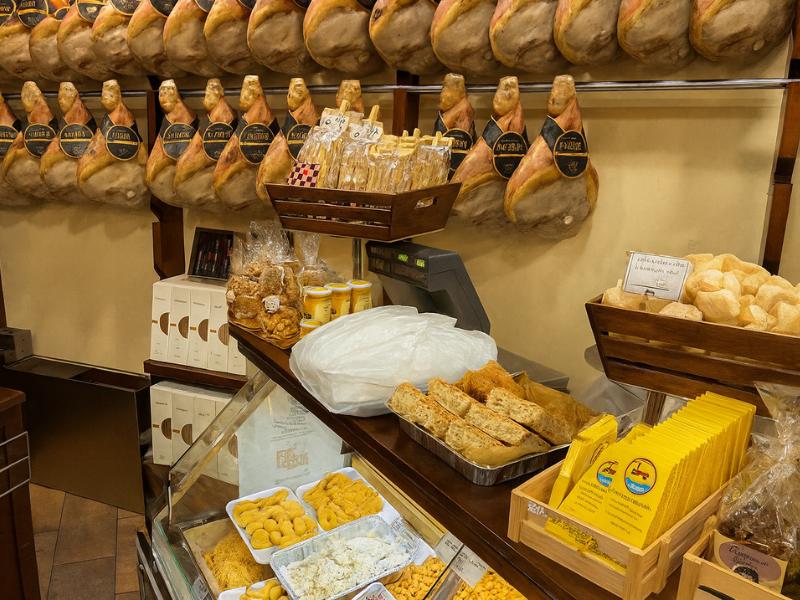
Private Bologna Food And Market Walk
Coordinating a food day for your group? Check your private-walk date before settling everyone’s plans, with a guide dedicated to your party.
Planning examples in this table are not current quotes or measured guarantees. Confirm prices, opening hours, party size and inclusions directly for your date.
| Factor | Private Tour | Small Group Tour (8-12) |
|---|---|---|
| Price for 2 People | €400-500 total | €180-200 total |
| Price for 4 People | €600-800 total | €360-400 total |
| Flexibility | Complete control | Fixed schedule |
| Guide Attention | Not measured; confirm directly | Shared but adequate |
| Group Energy | Minimal (just you) | Lively, shared reactions |
| Dietary Customization | Fully personalized | Limited accommodations |
| Vendor Interaction | Formal, sometimes awkward | Natural, festive atmosphere |
| Best For | Special needs, deep interests | Most visitors, best value |
For most travelers, quality small group tours (8-12 people) provide better value and experience than private tours. Private tours suit specific situations, not general visits. Browse Bologna food tour options to compare group and private tour availability.
What Foods Are Included On All Bologna Food Tours At Mercato Di Mezzo Vs Optional Add-Ons?
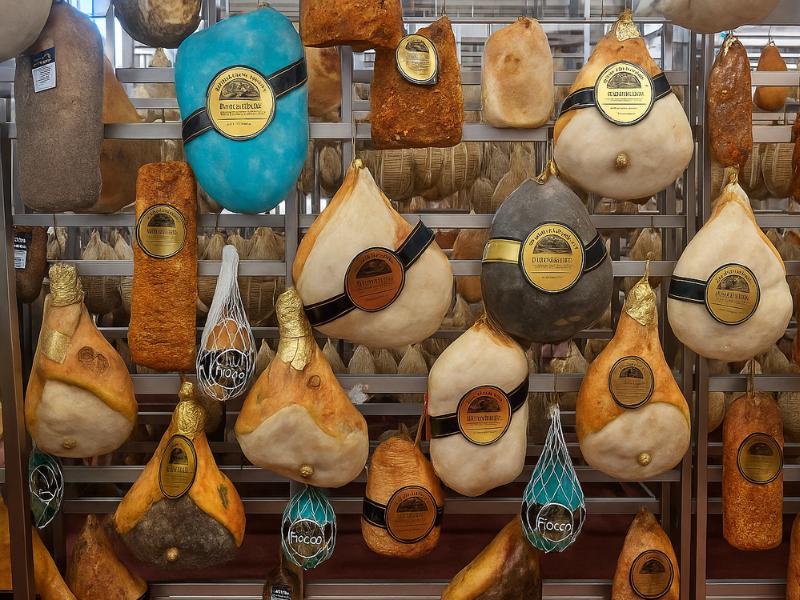
Nearly every Bologna food tour covers certain non-negotiable items around the Quadrilatero and Mercato di Mezzo, but tastings beyond those vary by operator and price.
Common Tastings To Confirm
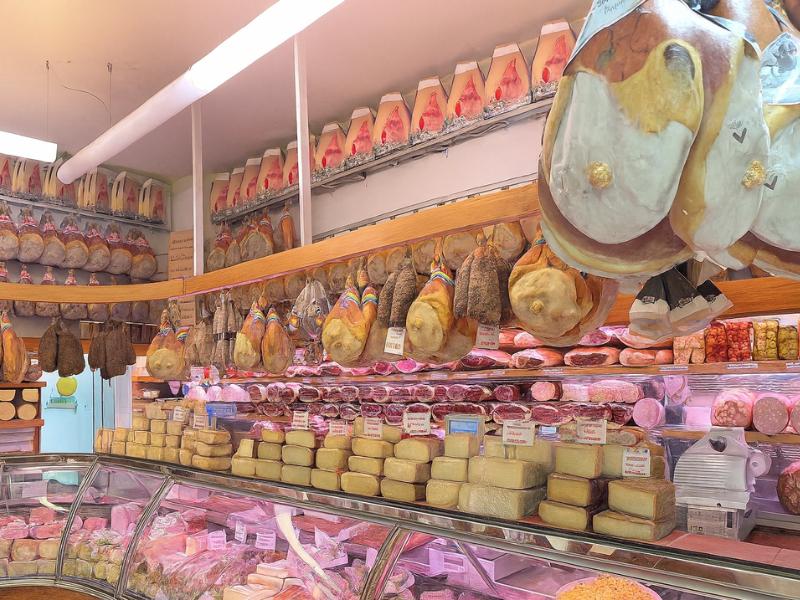
Mortadella sliced fresh from whole cylinders at Mercato di Mezzo or specialty salumeria. IGP-certified quality is standard. The difference is whether you get pre-arranged portions or the vendor slices specifically for your group.
Tortellini demonstration and tasting. Always included, though preparation varies (in brodo is most traditional and common, some tours offer al ragù or alla panna alternatives).
Tagliatelle al ragù proving why “spaghetti bolognese” doesn’t exist in Bologna. Usually a substantial tasting portion, sometimes a small bowl.
Parmigiano-Reggiano at 2-3 different ages (12, 24, 36 months) showing evolution from mild to intense. Always included.
Traditional balsamic vinegar (12+ years aged) explaining the difference from supermarket versions. Small taste, sometimes drizzled on Parmigiano.
Gelato at a quality gelateria emphasizing fresh daily production. Finishes most tours.
Sometimes Included, Sometimes Extra:
Wine beyond basic pairings: Tours include 1-2 small wine tastes with food. Additional glasses, premium wine flights, or sommelier-led tastings cost €15-30 extra on some tours.
Truffle products (if visiting October-February during white truffle season): Some tours include truffle tastings automatically, others charge €10-20 supplement.
Prosciutto di Parma vs standard prosciutto: Budget tours use generic prosciutto, premium tours specifically source Parma DOP.
Tigelle or crescentine (regional breads): Most tours include them, but some make them optional based on group interest.
Coffee or digestivo at the end: Some tours include final espresso or limoncello, others make it optional.
What’S Included Vs Extra Costs:
Planning examples in this table are not current quotes or measured guarantees. Confirm prices, opening hours, party size and inclusions directly for your date.
| Item | Budget Tours (€50-70) | Mid-Range Tours (€75-100) | Premium Tours (€110-150) |
|---|---|---|---|
| Mortadella | Pre-packaged portions | Sliced fresh for group | Sliced fresh, multiple varieties |
| Tortellini | In brodo (basic) | In brodo or al ragù choice | In brodo + tasting comparison |
| Parmigiano | 2 ages (12, 24 months) | 3 ages (12, 24, 36 months) | 3+ ages including rare reserves |
| Wine | 1 small taste or none | 1-2 wine pairings included | 2-3 wine pairings, sommelier-led |
| Balsamic Vinegar | 12-year aged | 12-25 year aged | 25+ year aged, producer details |
| Truffle (in season) | Not included | Extra €10-15 | Often included |
| Prosciutto | Generic | Good quality | Prosciutto di Parma DOP |
| Coffee/Digestivo | Not included | Sometimes included | Usually included |
| Guide Gratuity | Expected extra | Expected extra | Sometimes included |
Rarely Included (Usually Separate Cooking Classes):
Hands-on pasta making: Watching is standard, actually folding tortellini yourself requires extended tours or separate cooking classes.
Behind-the-scenes production visits: Seeing where Parmigiano wheels age or how traditional balsamic vinegar producers work happens on day trips to Modena/Parma, not standard Bologna city tours.
Read tour descriptions carefully. “All tastings included” should mean the core items listed above. Confirm whether wine beyond basic pairings, specialty items (truffles, premium prosciutto), and final coffee cost extra when comparing Bologna food tours.
How Much Should You Pay for Quality Bologna Food Tours in the Historic Center?
Tour prices range €50-180 per person for seemingly similar experiences through Bologna’s medieval streets. Price correlates with quality but isn’t the only factor.
Budget Tours (€50-70)
Large groups (18-25 people), generic guides (non-Bologna natives or newly trained), rushed timing (2.5 hours compressing what quality tours cover in 3-4 hours), pre-packaged tastings (vendors prepare portions in advance, no fresh slicing or customization), limited wine (one small taste total, if any).
These tours hit the highlights efficiently. You’ll taste mortadella, tortellini, ragù, Parmigiano, and gelato. But the experience feels transactional – get in, taste, get out, move to next stop. Educational content is basic facts from guidebooks.
Vendors treat these as volume business rather than relationships. No special access, no extended conversations, no adaptation to group interests.
Mid-Range Tours (€75-100)
Medium groups (10-15 people), experienced guides (mix of Bologna natives and long-term residents with 3+ years guiding), appropriate pacing (3-4 hours without rushing), fresh tastings (vendors slice mortadella and Parmigiano as you watch), 1-2 wine pairings included.
This price range delivers solid value for most visitors. Groups are small enough for comfortable shop visits, guides know material beyond scripts, and vendors engage genuinely. Educational content includes cultural context and family food stories, not just facts.
The sweet spot for quality without unnecessary premium pricing.
Premium Tours (€110-150)
Small groups (6-10 people maximum), expert local guides (Bologna natives with culinary training or multi-generational food knowledge), leisurely pacing (3.5-4 hours with flexible timing), exclusive vendor access (tasting rooms not shown to larger groups, special product selections), 2-3 wine pairings with sommelier explanations.
Premium pricing buys intimacy, expertise, and special access. You’re paying for the guide’s deep knowledge, established vendor relationships that grant behind-the-scenes access, and group sizes that allow genuine educational conversations.
Worth it for serious food enthusiasts, travelers staying multiple days who want one exceptional tour experience, or visitors who prioritize quality over budget.
Extended/Specialized Tours (€140-200)
Extended duration (5-6 hours), hands-on components (pasta-making instruction, not just watching), specialty focuses (wine education with vineyard visits, truffle hunting in season, cheese aging facility tours), or private small groups (4-6 people maximum).
These aren’t standard food tours – they’re intensive food education experiences or highly specialized niche offerings.
Choosing your season is step one; knowing how to plan your visit to Bologna Italy food tours with proper booking timelines and restaurant strategies is step two.
Price-Quality Relationship:
Planning examples in this table are not current quotes or measured guarantees. Confirm prices, opening hours, party size and inclusions directly for your date.
| Price Range | Group Size | Guide Quality | Experience | Value |
|---|---|---|---|---|
| €50-70 | 18-25 people | Generic/new | Rushed, transactional | Poor – save your money |
| €75-100 | 10-15 people | Experienced, solid | Balanced, educational | Excellent – best for most visitors |
| €110-150 | 6-10 people | Expert locals | Intimate, special access | Good – worth it for enthusiasts |
| €140-200 | 4-8 people or extended | Specialized expertise | Intensive, niche focus | Fair – justified for specific interests |
The €75-100 range offers the best value-to-quality ratio for most travelers. Budget tours sacrifice too much quality. Premium tours provide incremental improvements that matter to enthusiasts but not everyone.
Key Questions To Ask Before Booking:
| Question Category | What to Ask | Red Flag Answer | Quality Answer |
|---|---|---|---|
| Group Size | “Maximum participants on my tour date?” | “Small group” (vague) | “Maximum 10 people” (specific) |
| Guide Background | “Is guide Bologna native?” | “Experienced professional” | “Born here, family 4 generations” |
| Vendor Relationships | “How long working with vendors?” | “We work with best shops” | “10+ years same families” |
| Inclusions | “All tastings included?” | “Most things included” | “Everything except premium wine” |
| Flexibility | “Can you accommodate restrictions?” | “Tour follows set route” | “We substitute equivalent items” |
| Route Specifics | “Which shops will we visit?” | “Various quality locations” | Names specific shops/families |
Operators who answer these questions specifically and confidently run quality tours. Operators who deflect, give vague responses, or seem annoyed by questions should raise red flags.
FAQs
Are Bologna food tours worth it or should I just eat at restaurants independently? Both serve different purposes. Food tours provide compressed education about what makes Bolognese cuisine special, vendor access you won’t get independently, and cultural context that enhances restaurant meals later. Restaurants provide leisurely complete meals with ambiance. Do the food tour first (day 1-2 of your visit) to learn what to order and where to shop, then apply that knowledge dining independently.
Can I take multiple food tours in Bologna without repeating content? Yes, if you choose tours with different focuses. A morning market tour covering pasta-making differs significantly from an afternoon wine-focused tour, even though both include mortadella and Parmigiano. An extended tour with hands-on cooking provides different value than a standard tasting tour. Three days in Bologna could reasonably include two tours (morning + afternoon, or standard + extended) without excessive overlap.
Do Bologna food tours actually visit family-run shops or tourist trap vendors? Depends entirely on the operator. Quality tours with established vendor relationships visit third-generation salumerias and pasta labs that serve locals, not just tour groups. Budget tours often hit convenient shops with higher tourist volume and lower quality. Ask operators to name specific shops on the route – family businesses proudly advertise their history, tourist traps keep names vague.
Should I tip Bologna food tour guides? Yes, 10-15% (€8-15 for a €75-100 tour) is customary for excellent guides. Cash is strongly preferred over credit card tips. Some operators claim “gratuity included” in pricing – this is rare in Italy and usually means they’re paying guides better base rates, but you’re still welcome to tip for exceptional service.
What’s the best Bologna food tour for couples celebrating anniversaries or special occasions? Small group tours (8-10 people maximum) at €90-120 price range provide intimate atmosphere without private tour costs. Book morning tours for more educational focus or afternoon tours for wine-enhanced romantic atmosphere. Some operators offer private tours if you want exclusively couple experience, but small group tours typically deliver better energy and value.
Can I do a Bologna food tour if I don’t drink alcohol? Absolutely. Morning tours emphasize food with minimal wine. Afternoon tours include more wine pairings, but guides accommodate non-drinkers with water, juice, or extra food tastings instead. Notify the operator when booking so they can prepare appropriate alternatives.
How do Bologna food tours compare to food tours in Florence, Rome, or Venice? Bologna focuses specifically on one region’s cuisine (Emilia-Romagna) rather than general “Italian food,” providing deeper expertise on fewer items. Tours emphasize production education (watching pasta-making, seeing mortadella sliced, comparing Parmigiano ages) rather than restaurant-hopping. Bologna tours cost 10-20% less than equivalent quality tours in Florence or Venice while offering more intimate shop access. The trade-off is less variety (you’ll eat variations on pasta, cured meats, and cheese rather than diverse dishes) but greater depth.
Glossary
Small Group Tour: Food tour capping participants at 6-12 people, allowing comfortable shop visits, easy guide hearing, and genuine vendor interactions, typically priced €80-120 per person.
Large Group Tour: Food tour accepting 16-25 participants, creating crowded shop experiences, rushed pacing, and transactional vendor relationships, usually budget-priced €50-75 per person.
Extended Food Tour: 5-6 hour tour adding hands-on cooking, additional neighborhoods, expanded wine education, or specialty focuses beyond standard 3-4 hour tasting tours, priced €140-200 per person.
Native Bolognese Guide: Tour guide born and raised in Bologna with multi-generational family food traditions, providing cultural context and vendor relationships that generic guides cannot replicate.
Mortadella Tasting: Standard inclusion on all Bologna food tours, featuring IGP-certified Mortadella Bologna sliced fresh from whole cylinders, demonstrating difference from industrial sandwich meat.
Tortellini in Brodo: Traditional tortellini preparation in clear capon or beef broth, standard tasting on most Bologna tours, versus cream-based (alla panna) or meat sauce (al ragù) tourist variations.
Mercato di Mezzo: Bologna’s historic covered market serving as focal point for most morning food tours, featuring fresh pasta stalls, cheese vendors, and salumerias operating since medieval times.
Sfoglina Demonstration: Watching professional pasta makers hand-roll egg dough to paper-thin sheets and fold tortellini, standard component of most Bologna food tours, sometimes with hands-on participation on extended tours.
Quadrilatero: Bologna’s historic market district with narrow medieval streets containing family-run food shops, restaurants, and markets, primary location for most food tour routes.
IGP Certification: Indicazione Geografica Protetta (Protected Geographical Indication) guaranteeing products like Mortadella Bologna are produced in specific regions following traditional methods, ensuring authenticity versus industrial versions.
Private Bologna Food And Market Walk
What would your party discover with a guide of its own? Explore central food stops with a guide dedicated to your party and a pace discussed with the operator.
Bologna Walking Food Tour With A Local Expert
Have your Bologna date in mind? Check a three-hour departure before arranging your other meals, and explore the city through guided tastings.
Italian Days Food Producers And Lunch
What lies behind the region’s cheese, balsamic and cured meats? Visit regional cheese, balsamic and cured-meat producers with transport, breakfast and lunch arranged.