Plan Your Visit 2026-2027 To Bologna Italy Food Tours
Bologna is perfect for 2–3 foodie days or 4–5 days with museums & Modena/Parma trips. Best April–May, Sept–Oct. Eat smarter with a food tour on day 1.
The practical choice is between three hours in the city and a full day visiting producers. Leave time to reach the confirmed meeting point. Choose Your Food Experience.
TL;DR
Allow three hours for the city walk or pasta class, and a full 7am to roughly 5pm window for the producer day. Confirm meeting points, requirements and departures before arranging other plans.
When Should You Visit Bologna’s Historic Center for the Best Food Tour Experience?
Check Bologna Food-Walk Availability
Which Bologna departure could become the anchor for your food day? The three-hour route combines local tastings with a guide to connect the stops.
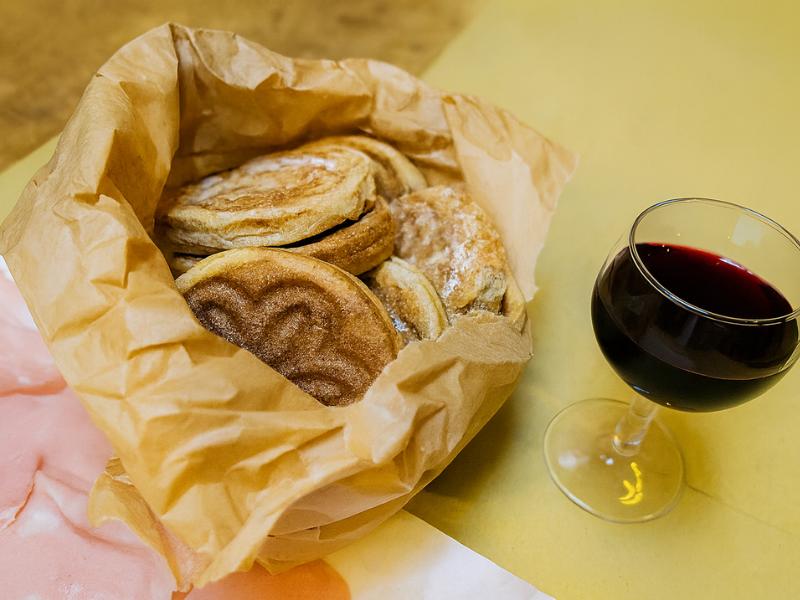
Bologna Walking Food Tour With A Local Expert
What could a local expert reveal between Bologna’s tasting stops? Taste pasta, cheese, cold cuts, wine and gelato while a local expert connects the stops.
Pastamama Home Pasta Class And Lunch
Planning a pasta-making lunch? Check your date before reserving another meal, then prepare fresh pasta in a Bologna home kitchen.
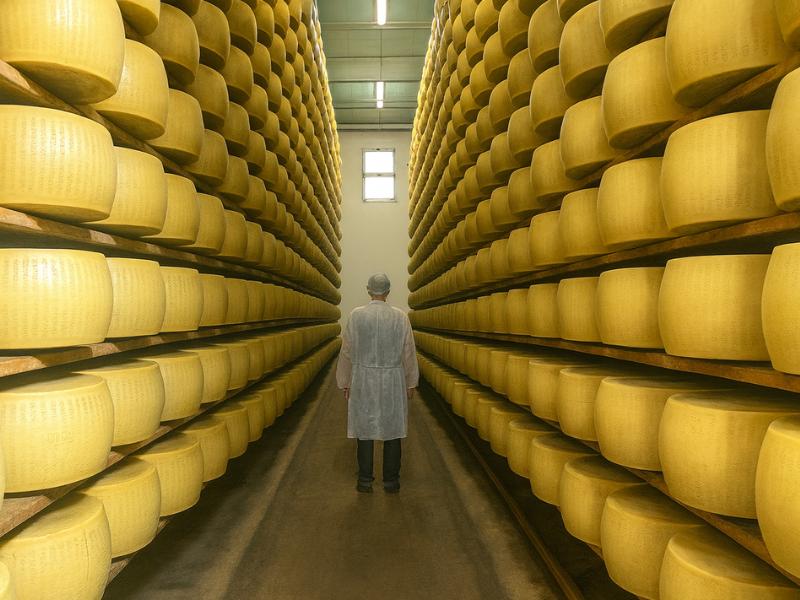
Italian Days Food Producers And Lunch
What lies behind the region’s cheese, balsamic and cured meats? Visit regional cheese, balsamic and cured-meat producers with transport, breakfast and lunch arranged.
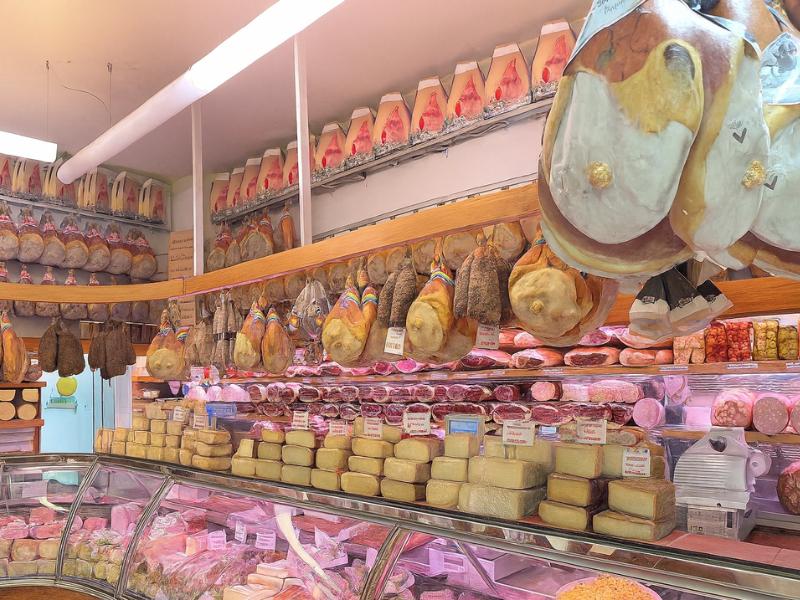
Private Bologna Food And Market Walk
Coordinating a food day for your group? Check your private-walk date before settling everyone’s plans, with a guide dedicated to your party.
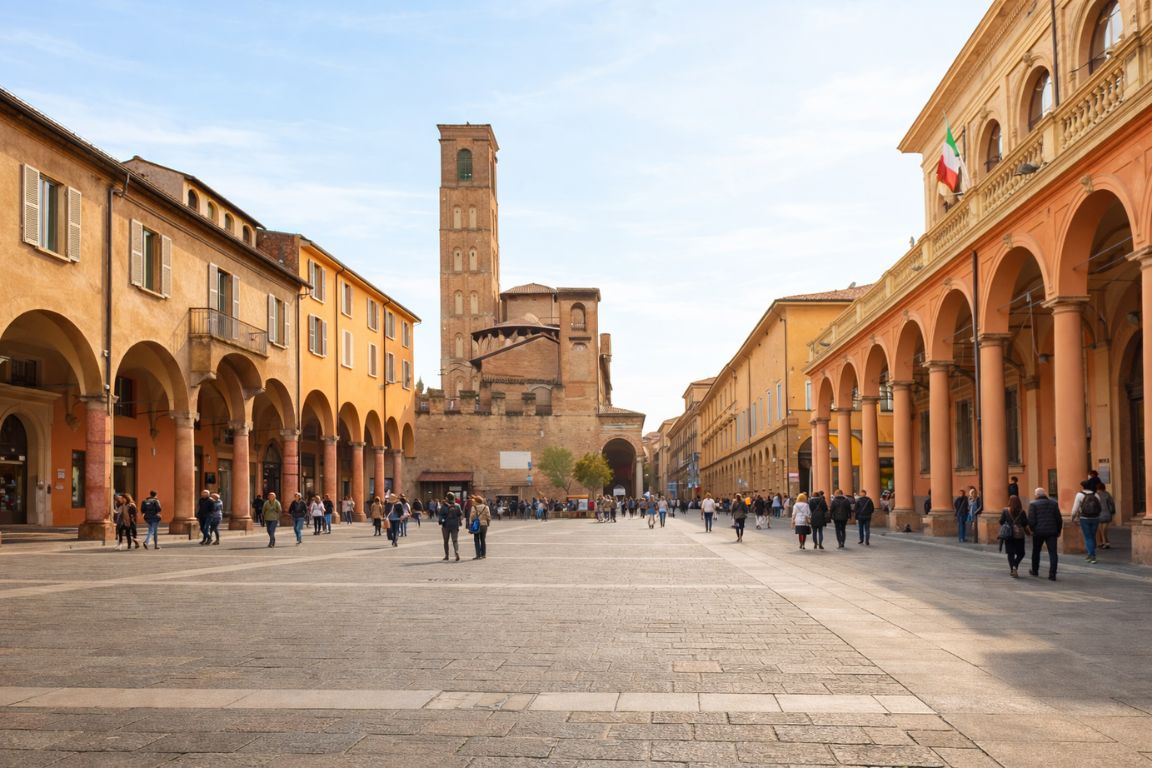
Bologna food tours run year-round, but timing affects weather, crowds, market activity at Mercato di Mezzo, and seasonal ingredients available throughout the Quadrilatero.
Best Months for Food Tours:
April-May (Spring): Pleasant 15-22°C weather, spring vegetables at markets, outdoor seating comfortable, moderate tourist crowds, Easter week gets busy but otherwise ideal. Asparagus season peaks in April.
September-October (Fall): Comfortable 18-25°C early fall, 12-18°C by late October, truffle season begins (white truffles arrive October), grape harvest brings fresh wine, fewer tourists than summer, locals return from August vacation creating vibrant market atmosphere.
November-March (Winter): Cold 5-12°C with occasional rain, authentic local experience with minimal tourists, truffle season peaks (November-December), holiday markets in December, some restaurants close for vacation in January-February, indoor market visits stay comfortable under porticos.
June-August (Summer): Hot 25-35°C by afternoon, crowded with peak tourism, many locals leave in August, some family restaurants close for vacation, morning food tours more comfortable than afternoon tours, gelato consumption increases significantly.
Timing matters more than you’d think. Here’s the best time to visit Bologna Italy food tours based on what’s actually in season.
Bologna Seasonal Comparison:
| Season | Temperature | Crowds | Food Highlights | Tour Comfort | Price Level | Best For |
|---|---|---|---|---|---|---|
| Spring (Apr-May) | 15-22°C | Moderate | Asparagus, spring vegetables, fresh pasta | Excellent – mild weather | Medium-High | First-time visitors, outdoor enthusiasts |
| Fall (Sep-Oct) | 12-25°C | Moderate | Truffles, grape harvest, mushrooms | Excellent – comfortable walking | Medium-High | Truffle lovers, wine enthusiasts |
| Winter (Nov-Mar) | 5-12°C | Low | White truffles, hearty stews, winter vegetables | Good – indoor markets warm | Low-Medium | Authentic experience seekers, truffle season |
| Summer (Jun-Aug) | 25-35°C | High | Fresh produce, tomatoes, gelato | Fair – afternoon heat intense | High | Families with school schedules |
The food quality remains excellent year-round since Bologna’s signature dishes (mortadella, tortellini, ragù, Parmigiano) aren’t seasonal. Choose based on weather preference and crowd tolerance when planning your Bologna food tour visit.
How Many Days Should You Spend in Bologna for Food Tours and Dining?
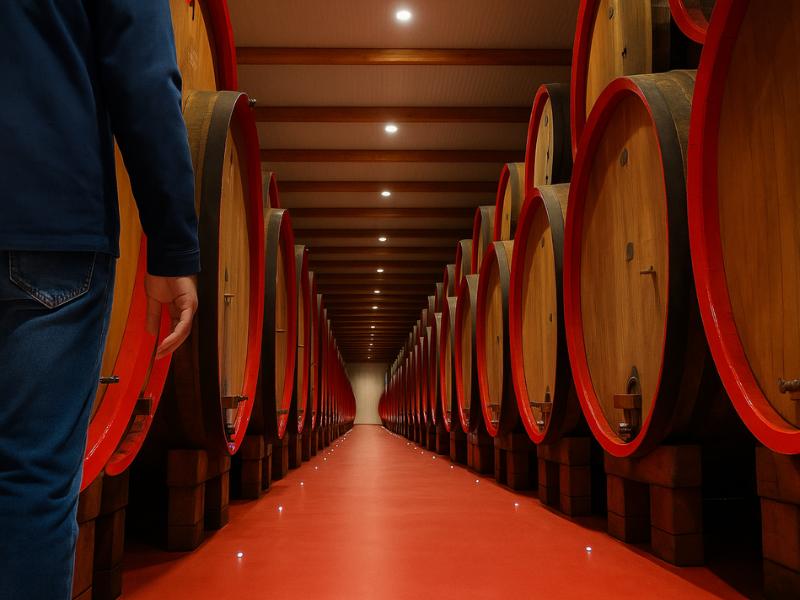
Bologna’s compact historic center makes it efficient for short visits, but rushing misses the leisurely Italian dining pace that defines the city’s food culture.
2 Days (Minimum): One food tour, 3-4 restaurant meals, quick market visit, basic sightseeing (Piazza Maggiore, Two Towers). You’ll taste the highlights but miss depth.
3 Days (Recommended): One food tour on day 1-2 for education, 5-6 restaurant meals applying what you learned, independent market shopping, pasta-making class or cooking workshop, leisurely exploration of porticos and historic sites, one full day without rushing.
4-5 Days (Ideal): Two different food tours (morning market-focused, afternoon wine-focused), 8-10 restaurant meals with time to digest, day trip to Modena (balsamic vinegar producers, Parmigiano-Reggiano dairy farms) or Parma (prosciutto producers), cooking class, extensive market exploration, museum visits (Medieval Museum, Archaeological Museum, university district), evening aperitivo culture.
The food tour should happen early in your visit (day 1 or 2) so you understand what to order at restaurants, which markets to explore independently, and how to identify quality mortadella, pasta, and aged cheese for the rest of your trip.
Curious about the logistics? Here’s the reality of what to expect on a Bologna Italy food tour.
Bologna Trip Length Comparison:
Planning examples in this table are not current quotes or measured guarantees. Confirm prices, opening hours, party size and inclusions directly for your date.
| Duration | Food Tours | Restaurant Meals | Activities | Ideal For | Estimated Cost Per Person |
|---|---|---|---|---|---|
| 2 Days | 1 tour | 3-4 meals | Basic sightseeing only | Quick stopover, limited time | €200-300 |
| 3 Days | 1 tour | 5-6 meals | Food tour + markets + sightseeing | Most visitors, balanced trip | €300-450 |
| 4 Days | 1-2 tours | 7-8 meals | Tours + cooking class + day trip | Food enthusiasts, relaxed pace | €450-650 |
| 5+ Days | 2+ tours | 10+ meals | Full immersion + multiple day trips | Deep food culture exploration | €650-1000+ |
Where Should You Stay in Bologna’s Historic Center for Food Tour Access?
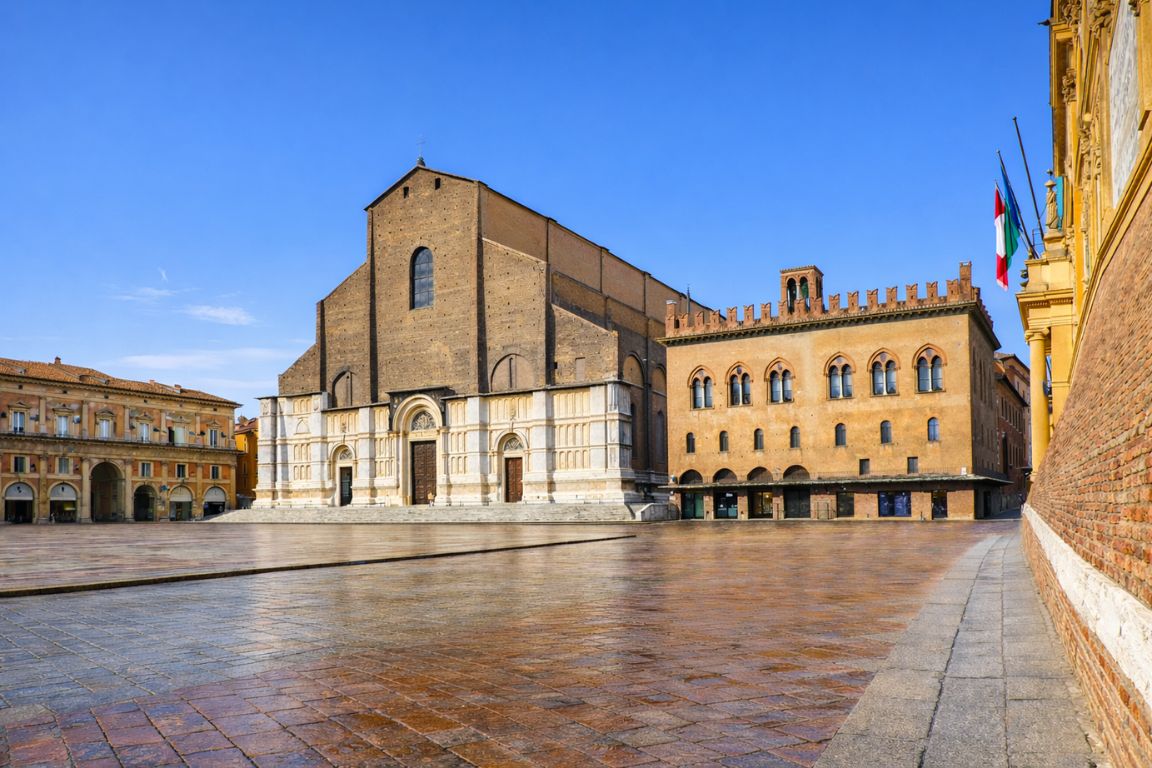
Location matters enormously in Bologna. The historic center is walkable, but staying near food tour meeting points, Mercato di Mezzo, and restaurants in the Quadrilatero saves time and maximizes your food experience.
Best Neighborhoods for Food-Focused Visits:
Quadrilatero (Market District): Steps from Mercato di Mezzo and Via Pescherie Vecchie, surrounded by food shops and restaurants, central to most food tour routes, morning market noise if you’re a light sleeper. Hotels €100-180/night, Airbnbs €80-140/night.
Piazza Maggiore Area: Walking distance to everything, food tours often meet here, excellent restaurant access, tourist-heavy (more crowded, more noise). Hotels €90-160/night, Airbnbs €70-120/night.
Via Independenza: Main pedestrian street connecting train station to Piazza Maggiore, 10-15 minute walk to historic center, more local feel than Piazza Maggiore area, good restaurant selection. Hotels €80-140/night, Airbnbs €60-100/night.
University District (Via Zamboni area): Student energy, less touristy restaurants, excellent traditional trattorias frequented by locals, 15-20 minute walk to main food tour areas. Hotels €70-120/night, Airbnbs €55-90/night.
Avoid: Bolognina neighborhood (north of center, residential, requires buses to reach food areas), train station immediate vicinity (convenient for luggage but removes you from food culture), areas outside porticos (you’ll walk more in rain).
Looking for quick bites instead? Our Bologna Italy street food guide shows you exactly what to grab and where to find it.
Bologna Neighborhood Comparison for Food Tourists:
Planning examples in this table are not current quotes or measured guarantees. Confirm prices, opening hours, party size and inclusions directly for your date.
| Neighborhood | Walking to Food Tours | Restaurant Quality | Local vs Tourist | Price Range (Hotel) | Price Range (Airbnb) | Best For |
|---|---|---|---|---|---|---|
| Quadrilatero | 0-5 minutes | Excellent, touristy | 50/50 mix | €100-180 | €80-140 | Maximum food access |
| Piazza Maggiore | 0-5 minutes | Very good, touristy | 30/70 tourist-heavy | €90-160 | €70-120 | Central location, convenience |
| Via Independenza | 10-15 minutes | Good, mixed | 60/40 more local | €80-140 | €60-100 | Balance of access and value |
| University District | 15-20 minutes | Excellent, authentic | 80/20 mostly local | €70-120 | €55-90 | Authentic, budget-friendly |
| Bolognina | 25+ minutes (bus) | Limited tourist options | 90/10 very local | €60-100 | €45-75 | Avoid for food-focused trips |
Book accommodations with kitchenettes if you want to shop at markets and prepare fresh pasta, cheese, and cured meats as picnic meals. Choose locations within Bologna’s historic center for best access to Bologna food tours.
How Do You Get to Bologna from Major Italian Cities by Train?
Bologna sits in northern Italy’s center at the Bologna Centrale train station, making it accessible from Florence, Venice, Milan, and Rome by high-speed rail through the historic center.
From Florence:
- High-speed train (Frecciarossa, Frecciargento): 35-40 minutes, €15-35 depending on booking time
- Regional train: 90 minutes, €10-15 (slower but cheaper)
- Trains run every 30 minutes throughout the day
- Bologna Centrale station to Piazza Maggiore: 15-20 minute walk or 10-minute bus
From Venice:
- High-speed train: 90 minutes, €20-45
- Regional train: 2.5 hours, €15-25
- Trains every 45-60 minutes
- Direct route, no changes needed
From Milan:
- High-speed train: 60-75 minutes, €25-50
- Regional train: 2-2.5 hours, €15-30
- Frequent departures (every 30-45 minutes)
From Rome:
- High-speed train: 2-2.5 hours, €35-75
- Trains every 30-60 minutes
- Book 1-2 weeks ahead for best prices
Train Connections to Bologna Centrale:
Planning examples in this table are not current quotes or measured guarantees. Confirm prices, opening hours, party size and inclusions directly for your date.
| From City | High-Speed Time | High-Speed Price | Regional Time | Regional Price | Frequency | Best Booking Window |
|---|---|---|---|---|---|---|
| Florence | 35-40 min | €15-35 | 90 min | €10-15 | Every 30 min | 1-2 weeks ahead |
| Venice | 90 min | €20-45 | 2.5 hours | €15-25 | Every 45-60 min | 1-2 weeks ahead |
| Milan | 60-75 min | €25-50 | 2-2.5 hours | €15-30 | Every 30-45 min | 1-2 weeks ahead |
| Rome | 2-2.5 hours | €35-75 | 3.5-4 hours | €20-40 | Every 30-60 min | 2-3 weeks ahead |
Bologna Guglielmo Marconi Airport (BLQ) serves international flights but has limited direct connections compared to Milan or Rome. Most international travelers fly into Milan, Rome, or Venice and take trains to Bologna.
From Bologna Centrale train station to the historic center, walk 15-20 minutes straight down Via dell’Indipendenza, take bus 25 or 27 (€1.50, 10 minutes), or taxi (€10-15, 10 minutes).
What Should You Book in Advance for Bologna Food Tours in the Quadrilatero?
Food tours require advance booking, but restaurants and markets around Mercato di Mezzo accept walk-ins.
Book 1-4 Weeks Ahead:
Food Tours: Check actual dated departures and the operator’s stated group size once your travel plans are known. We have no verified evidence for a fixed sellout window. Reserve through Bologna food tour operators for best availability.
Cooking Classes: Popular pasta-making classes with sfogline (professional pasta makers) fill 2-3 weeks ahead. Tortellini-making workshops especially popular.
High-End Restaurants: Michelin-starred or critically acclaimed restaurants (Ristorante I Portici, Ristorante Pappagallo) require 1-2 week reservations. Call or email directly.
Day Trips to Modena/Parma: Organized tours visiting Parmigiano-Reggiano dairies, balsamic vinegar producers, or prosciutto factories book 2-3 weeks ahead.
No Advance Booking Needed:
Trattorias and Osterie: Traditional casual restaurants accept walk-ins. Arrive at Italian dining times (12:30-2pm lunch, 7:30-9:30pm dinner) for best selection. Earlier or later means limited menu.
Mercato di Mezzo: Open market requires no reservation. Visit mornings (9am-1pm) for full vendor selection.
Gelaterias, Cafes, Bakeries: All walk-in. Lines form at popular spots (Cremeria Funivia, Gelateria Gianni) but move quickly.
Museums: Bologna’s museums (Medieval Museum, Archaeological Museum, Basilica di San Petronio) rarely require advance tickets except during special exhibitions.
What to Book in Advance vs Walk-In:
| Activity | Book Ahead? | Advance Time | Peak Season Time | Consequence of Not Booking |
|---|---|---|---|---|
| Food Tours (small group) | YES | 1-2 weeks | 2-4 weeks | Your preferred departure may be unavailable |
| Cooking Classes | YES | 2-3 weeks | 3-4 weeks | No availability |
| High-End Restaurants | YES | 1-2 weeks | 2-3 weeks | Turned away |
| Day Trips (Modena/Parma) | YES | 2-3 weeks | 3-4 weeks | Sold out |
| Trattorias/Osterie | NO | Walk-in | Walk-in | Might wait 15-30 min |
| Mercato di Mezzo | NO | Walk-in | Walk-in | No consequence |
| Gelaterias | NO | Walk-in | Walk-in | Short line (5-10 min) |
| Museums | NO | Walk-in | Walk-in | Rarely crowded |
Book food tours and cooking classes first, then build restaurant meals and independent exploration around them.
How Much Should You Budget for Bologna Food Tours and Dining in the Historic Center?
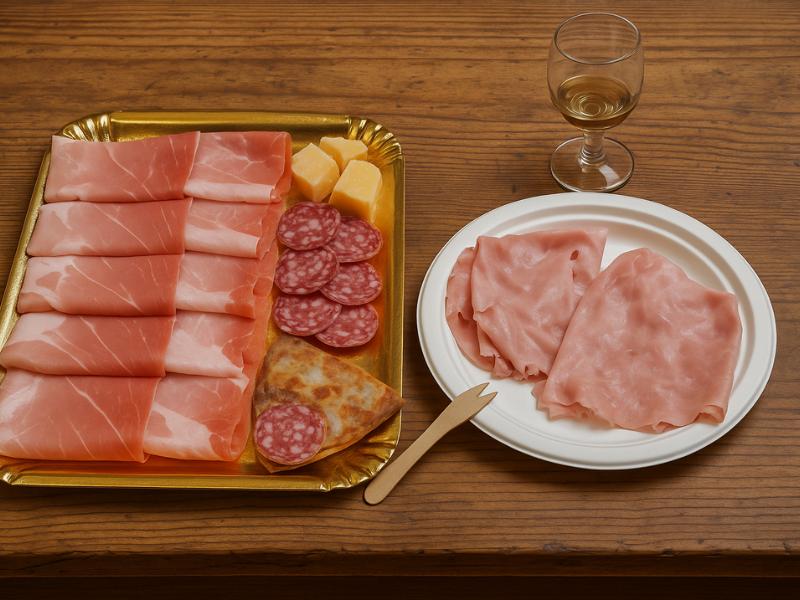
Bologna offers excellent value compared to Florence, Venice, or Rome, but quality food around Piazza Maggiore and the Quadrilatero requires appropriate budget.
Daily Per-Person Food Budget:
Budget Conscious (€50-80/day):
- Food tour: €60-75 (replaces one meal)
- Restaurant meals: €12-18 lunch at trattoria, €18-25 dinner
- Market shopping: €8-12 (mortadella sandwich, cheese, fruit)
- Gelato/coffee: €5-8
- Wine at enoteca: €4-6 per glass
Moderate (€100-150/day):
- Food tour: €80-100
- Restaurant meals: €20-30 lunch, €30-45 dinner
- Market shopping: €15-25 (quality products to take home)
- Gelato/coffee/aperitivo: €10-15
- Wine: €6-10 per glass, €20-35 bottle at restaurants
Comfortable (€180-250/day):
- Premium food tour: €100-120
- High-end restaurant: €50-80 dinner with wine pairing
- Market shopping: €30-50 (aged Parmigiano, traditional balsamic, mortadella)
- Multiple gelato/coffee/snack stops: €15-25
- Quality wine: €12-18 per glass, €40-70 bottle
Bologna Daily Food Budget Breakdown:
Planning examples in this table are not current quotes or measured guarantees. Confirm prices, opening hours, party size and inclusions directly for your date.
| Budget Level | Food Tour | Breakfast | Lunch | Dinner | Snacks/Gelato | Wine/Drinks | Market Shopping | Daily Total |
|---|---|---|---|---|---|---|---|---|
| Budget | €60-75 | €5-8 | €12-18 | €18-25 | €5-8 | €4-6 | €8-12 | €112-152 |
| Moderate | €80-100 | €8-12 | €20-30 | €30-45 | €10-15 | €6-10 | €15-25 | €169-237 |
| Comfortable | €100-120 | €12-18 | €25-40 | €50-80 | €15-25 | €12-18 | €30-50 | €244-351 |
Food tour costs typically include all tastings, water, and guide. Wine beyond basic pairings, gratuities (10-15%), and shopping at market stops cost extra.
Restaurants in the Quadrilatero charge 10-20% more than identical quality restaurants in university district or residential areas. Walk 5-10 minutes from Piazza Maggiore for better value.
What’s a Good Bologna Food Tour Itinerary for 3 Days in the Historic Center?
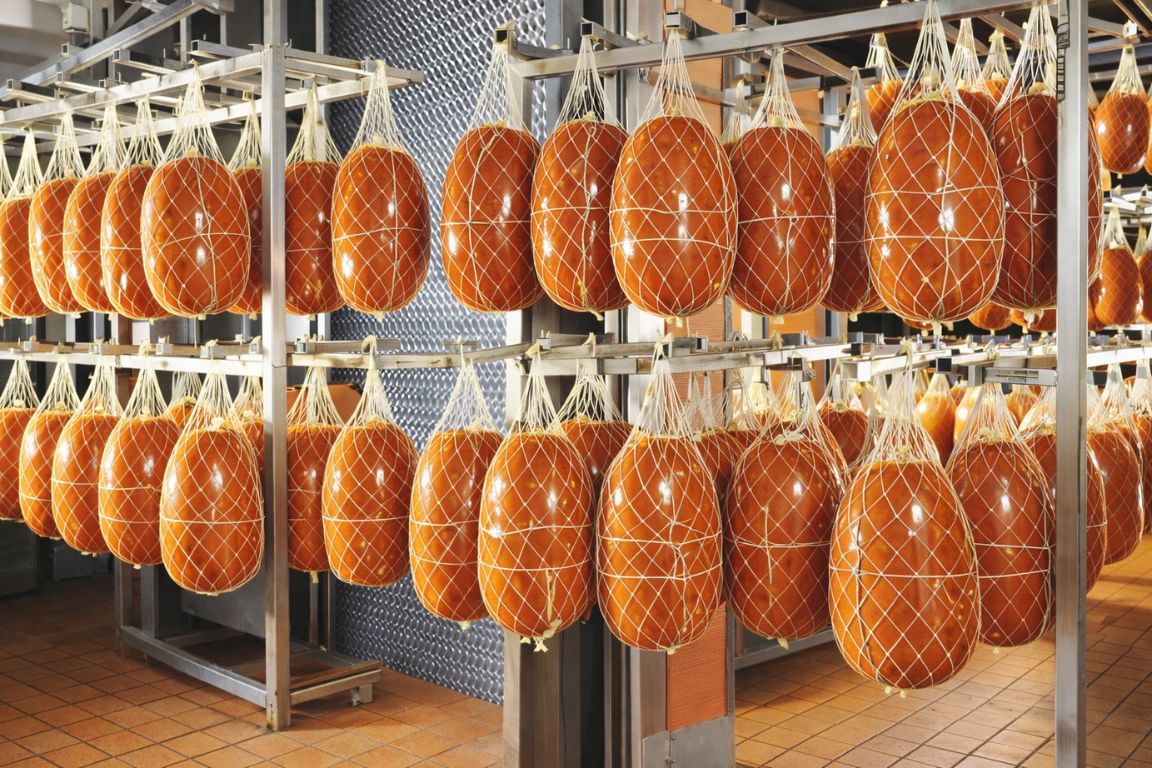
This itinerary balances Bologna food tours, restaurant meals around Piazza Maggiore and the Quadrilatero, market exploration, and sightseeing.
Day 1: Food Tour Education
Morning: Arrive Bologna, check into hotel in Quadrilatero or near Piazza Maggiore, walk historic center orientation (30-45 minutes exploring porticos, Two Towers, Piazza Maggiore).
Late Morning: Bologna food tour 9:30am-1pm (morning tour focusing on pasta-making and Mercato di Mezzo). This educates you about mortadella, tortellini, ragù, and Parmigiano for the rest of your visit.
Afternoon: Rest (you’re full from food tour), explore museums (Medieval Museum, Archaeological Museum, Basilica di San Petronio), or walk porticos photographing architecture.
Evening: Light dinner at trattoria (you won’t be very hungry). Order tagliatelle al ragù to compare restaurant version to food tour experience. Try Trattoria del Rosso, Trattoria Anna Maria, or Osteria dell’Orsa.
Day 2: Independent Market Exploration and Restaurant Meals
Morning: Return to Mercato di Mezzo independently (9-11am when vendors are most active). Shop for mortadella, Parmigiano at different ages, and ask vendors questions using knowledge from yesterday’s tour.
Lunch: Casual lunch at market vendor or nearby. Try Salumeria Simoni for mortadella sandwiches, or Mercato di Mezzo prepared foods.
Afternoon: Walk Via Pescherie Vecchie (medieval market street), visit specialty food shops (Paolo Atti & Figli for bread and pastries, Tamburini for cured meats), explore university district.
Aperitivo: Traditional aperitivo at enoteca (6-7:30pm). Try Le Stanze or Osteria del Sole (bring your own food, they provide wine only).
Dinner: Serious restaurant meal applying food tour knowledge. Order tortellini in brodo, compare to tour version. Try Ristorante Da Cesari, Trattoria di Via Serra, or Ristorante I Carracci.
Day 3: Cooking Class or Day Trip
Option A – Cooking Class: Morning pasta-making class (9:30am-12:30pm) learning tortellini or tagliatelle from sfoglina. Eat what you make for lunch. Afternoon free for final shopping, museum visits, gelato. Light dinner or skip (you’ll be full from cooking class lunch).
Option B – Day Trip to Modena: Train to Modena (30 minutes, €5-8). Visit acetaia (traditional balsamic vinegar producer), Parmigiano-Reggiano dairy, or join organized food tour. Return late afternoon. Dinner in Bologna at restaurant you missed earlier.
Evening: Final gelato at Cremeria Funivia or Gelateria Gianni, evening walk through illuminated porticos.
3-Day Bologna Itinerary Comparison:
Planning examples in this table are not current quotes or measured guarantees. Confirm prices, opening hours, party size and inclusions directly for your date.
| Day | Morning (9am-1pm) | Afternoon (2-6pm) | Evening (7-10pm) | Food Cost | Key Focus |
|---|---|---|---|---|---|
| Day 1 | Bologna food tour | Museums, rest | Light dinner | €100-130 | Education at Mercato di Mezzo |
| Day 2 | Mercato di Mezzo shopping | Food shops, university area | Aperitivo + dinner | €50-80 | Applying food tour knowledge |
| Day 3 | Cooking class OR day trip | Shopping/sightseeing | Final dinner + gelato | €80-120 | Hands-on or regional exploration |
This itinerary lets the food tour educate you first, then you apply that knowledge dining independently and shopping at markets throughout Bologna’s historic center.
If you’d rather explore on your own, check out our Bologna Italy food itinerary – it’s two days of hitting all the right places.
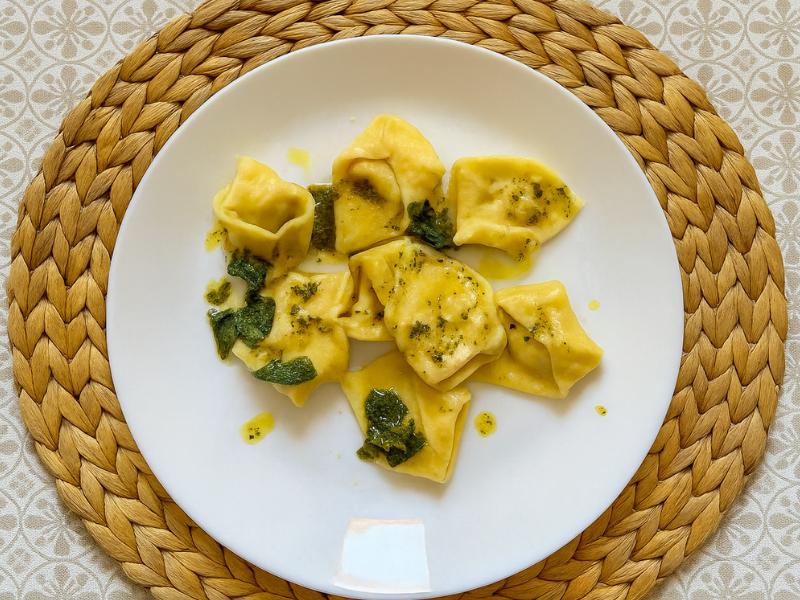
What Are Common Mistakes First-Time Bologna Visitors Make Planning Food Tours?
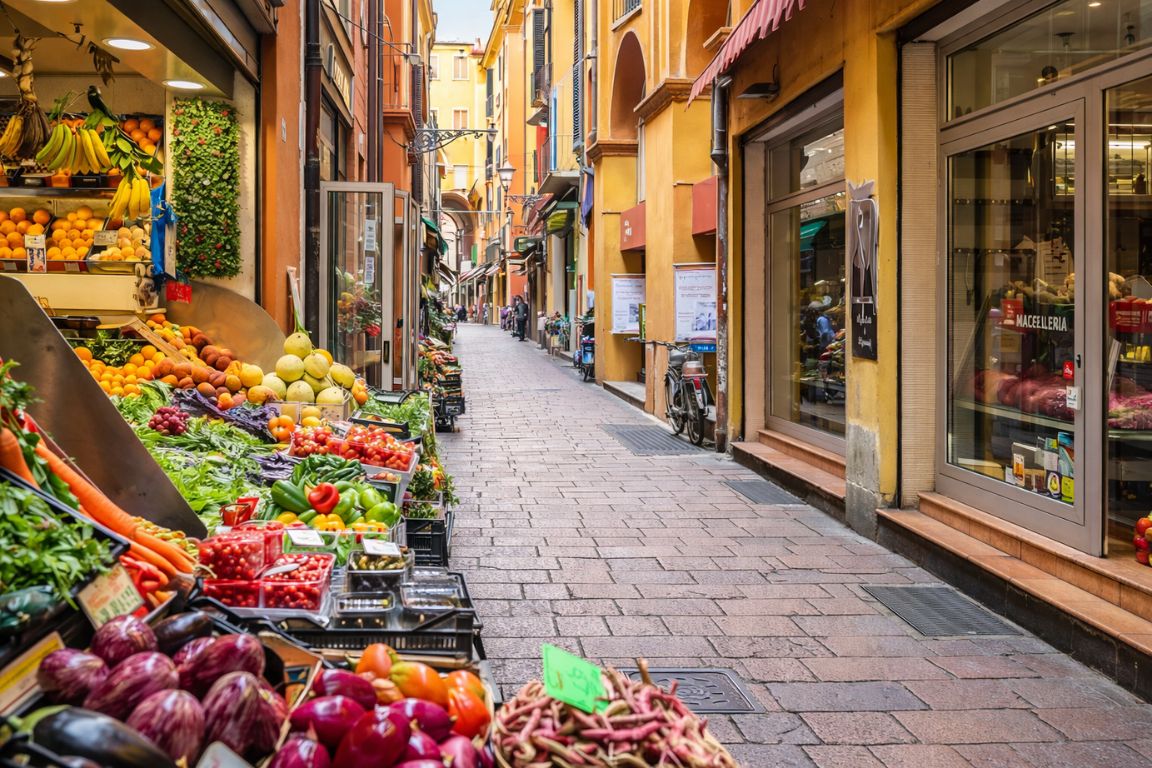
These planning errors reduce food tour enjoyment around the Quadrilatero and create frustration.
Scheduling the Food Tour on Your Last Day: The tour teaches you what to eat and where to shop. Schedule it day 1 or 2 so you benefit from that knowledge the rest of your visit exploring Mercato di Mezzo and Via Pescherie Vecchie independently.
Eating a Big Breakfast Before a Food Tour: The tour provides a meal’s worth of food. A light breakfast (coffee, small pastry) is fine. A hotel buffet breakfast means you’ll be uncomfortably full by stop three.
Not Checking Restaurant Closing Days: Many Bologna restaurants close Sunday or Monday. Some close for vacation in August or January. Check before assuming your top choice is open.
Booking Accommodations Outside the Historic Center: You’ll spend 30-45 minutes daily commuting to food areas around Piazza Maggiore. The walkable historic center is Bologna’s main advantage over larger cities.
Trying to See Bologna, Florence, and Venice in 48 Hours: Bologna deserves 2-3 dedicated days. Rushing through as a day trip from Florence misses the leisurely dining pace that makes Bologna special.
Assuming You Need a Car: Bologna’s historic center is compact and walkable. Parking is expensive (€20-30/day), restricted in center zones, and unnecessary. Take trains for day trips to Modena or Parma.
Missing Market Morning Hours at Mercato di Mezzo: Markets are most active 9am-12pm. Arriving at 2pm means vendors are packing up, selection is limited, and the energy is gone.
Booking Only Afternoon Food Tours: Morning tours access pasta-making demonstrations and peak market activity. Afternoon tours work fine but miss these elements.
Common Planning Mistakes:
| Mistake | Why It’s Bad | Better Approach | Impact on Experience |
|---|---|---|---|
| Food tour on last day | Can’t apply knowledge | Book day 1 or 2 | Miss independent food discoveries |
| Big breakfast before tour | Uncomfortably full by stop 3 | Light breakfast only | Can’t enjoy all tastings |
| Ignoring closing days | Restaurant closed when you arrive | Check schedules ahead | Wasted time, backup needed |
| Stay outside center | 30-45 min commute daily | Book in Quadrilatero/Piazza Maggiore | Lose time, miss energy |
| Bologna as day trip | Miss evening dining culture | Stay 2-3 nights minimum | Surface-level experience |
| Rent a car | Expensive parking, not needed | Walk + trains for day trips | Waste money, parking stress |
| Market at 2pm | Vendors closing, limited selection | Visit 9am-12pm | Poor market experience |
| Only afternoon tours | Miss pasta-making demos | Book morning tour | Less educational access |
FAQs
Do I need to speak Italian to enjoy Bologna food tours? No. Tours operate in English (and other languages depending on operator). Your guide translates all vendor interactions around Mercato di Mezzo and provides all explanations in your language. However, learning basic Italian pleasantries (grazie, buongiorno, per favore) enhances interactions with vendors who appreciate the effort.
Can I visit Bologna as a day trip from Florence? Technically yes (35-minute train each way), but you’ll only scratch the surface. A rushed 5-6 hour visit lets you take a food tour or eat one restaurant meal, not both. Bologna deserves at least one overnight to experience evening aperitivo culture and leisurely dining around Piazza Maggiore.
What’s the best way to book Bologna food tours? Directly through Bologna food tour operators provides best prices and direct communication. Third-party platforms (Viator, GetYourGuide) charge 15-25% commission built into prices. Read recent reviews focusing on guide quality, group size specifics, and what foods were actually included.
Should I buy Parmigiano-Reggiano and mortadella to bring home? Yes, if you have proper travel arrangements. Vacuum-sealed mortadella and aged Parmigiano travel well (check customs regulations for your country). Many vendors at Mercato di Mezzo ship internationally if you want larger quantities. Airport security allows properly packaged food in checked luggage.
How do I avoid tourist trap restaurants in Bologna? Ask your food tour guide for recommendations (they know which restaurants serve authentic food around the Quadrilatero). Avoid restaurants with photos on outdoor menus, multiple language menus at the entrance, or aggressive hosts pulling you inside. Look for places full of Italian families, handwritten daily menus, and servers who don’t speak perfect English.
Is Bologna family-friendly for food tours with children? Depends entirely on the child. Food-interested kids 12+ who enjoy trying new things often love Bologna food tours. Picky eaters under 10 get bored quickly and won’t try unfamiliar foods at Mercato di Mezzo. The 3-4 hour duration is long for young children. Some operators offer family-specific tours with adjusted content and shorter duration.
What should I do if it rains during my Bologna visit? Bologna’s 38 kilometers of porticos (covered walkways) shelter you during most walking through the historic center. Food tours continue in rain since vendors and shops are covered. Bring an umbrella for occasional exposed street crossings. Rain actually creates atmospheric market visits at Mercato di Mezzo and fewer tourist crowds.
Can I do a food tour if I have dietary restrictions? Notify operators when booking with specific details. Vegetarian substitutions work (though you’ll miss signature meat dishes like mortadella and ragù). Vegan is very difficult since eggs and dairy appear in most Bolognese specialties. Gluten-free is challenging but possible with advance planning. For serious allergies, discuss ingredients and cross-contact precautions directly with the operator before booking. This guide cannot establish suitability.
Glossary
Private Bologna Food And Market Walk
What would your party discover with a guide of its own? Explore central food stops with a guide dedicated to your party and a pace discussed with the operator.
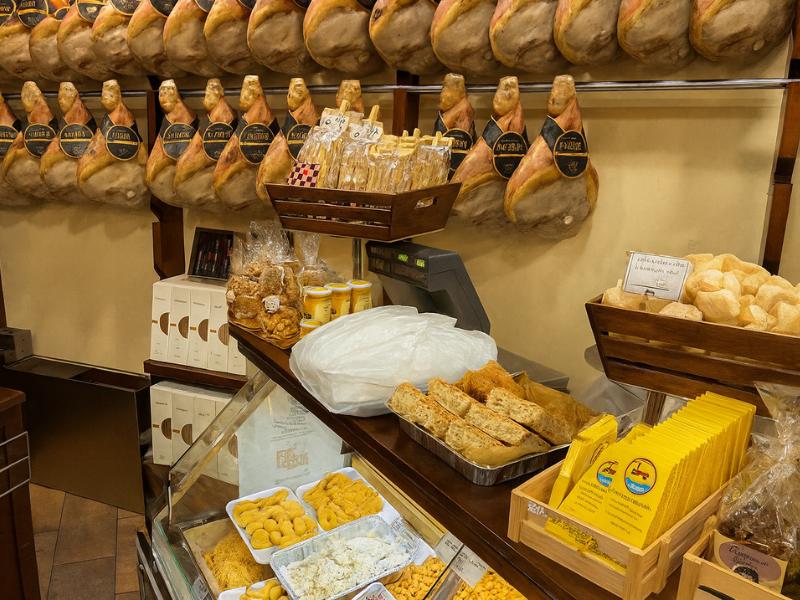
Private Bologna Food And Market Walk
Coordinating a food day for your group? Check your private-walk date before settling everyone’s plans, with a guide dedicated to your party.
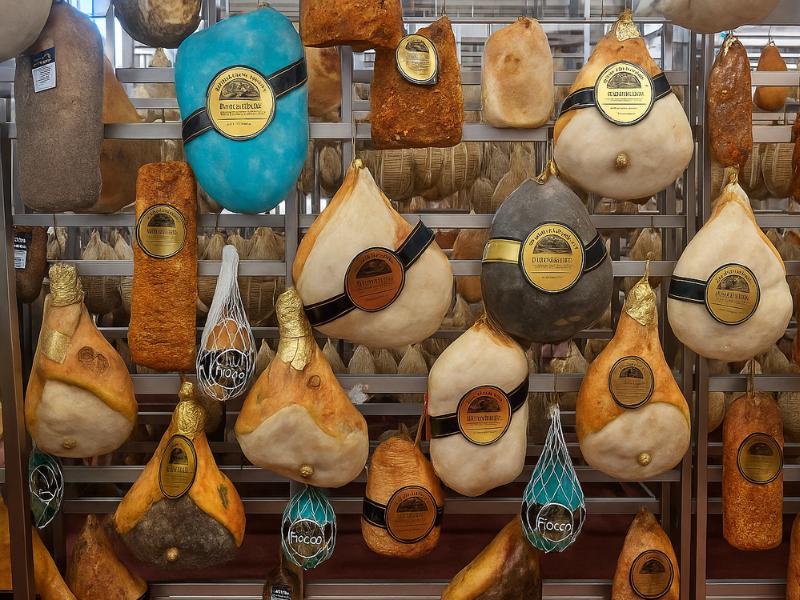
Bologna Prosciutto Factory Tour: One of the Few Open to the Public
What happens inside a prosciutto factory? Explore the production visit and tasting experience.
Quadrilatero: Bologna’s historic market district with narrow medieval streets containing food shops, restaurants, and Mercato di Mezzo, bounded by Piazza Maggiore and the Two Towers.
Mercato di Mezzo: Bologna’s main covered market operating since medieval times, featuring fresh pasta stalls, cheese vendors, cured meat sellers, and produce stands, busiest 9am-1pm.
Porticos: Bologna’s 38 kilometers of covered arcaded walkways providing shelter from weather while walking between food destinations around the historic center, originally built for medieval students attending university lectures.
Sfoglina: Professional female pasta maker who hand-rolls egg dough to paper-thin sheets using traditional techniques passed through generations, demonstrating tortellini-making on many food tours.
Acetaia: Traditional balsamic vinegar producer aging vinegar in wooden barrels for minimum 12 years (often 25+ years), using methods protected by strict regulations, typically visited on day trips from Bologna to Modena.
Aperitivo: Italian pre-dinner tradition (6-8pm) of drinks accompanied by small snacks or buffet food, distinct from dinner, popular in Bologna’s wine bars and enotecas around the university district.
Frecciarossa/Frecciargento: Italy’s high-speed train services connecting Bologna Centrale to Florence (35 minutes), Venice (90 minutes), Milan (60 minutes), and Rome (2.5 hours), requiring advance booking for best prices.
IGP (Indicazione Geografica Protetta): Protected Geographical Indication certifying products like Mortadella Bologna are produced in specific regions following traditional methods, guaranteeing authenticity.
Via Pescherie Vecchie: Medieval market street in the Quadrilatero featuring fish vendors, vegetable stands, and specialty food shops, primary route for many Bologna food tours.
Bologna Centrale: Main train station serving high-speed and regional rail connections, located 15-20 minute walk from Piazza Maggiore via Via dell’Indipendenza.