Best Time To Visit Bologna For Food: Seasonal Guide
Best time for Bologna food? Go April–May or Oct–Nov for peak flavors, mild weather, and better tour prices. Avoid August heat, closures, and crowded markets.
Choose the activity as well as the season: compare a city tasting walk with a home cooking lesson and a full producer day. Choose Your Food Experience.
TL;DR
Plan for the weather you enjoy: a city walk for a guided introduction, a home pasta lesson for an indoor activity, or a full producer day. Confirm dated departures rather than assuming seasonal prices or closures.
What Season Actually Offers The Best Food In Bologna?
Check Bologna Food-Walk Availability
Which Bologna departure could become the anchor for your food day? The three-hour route combines local tastings with a guide to connect the stops.
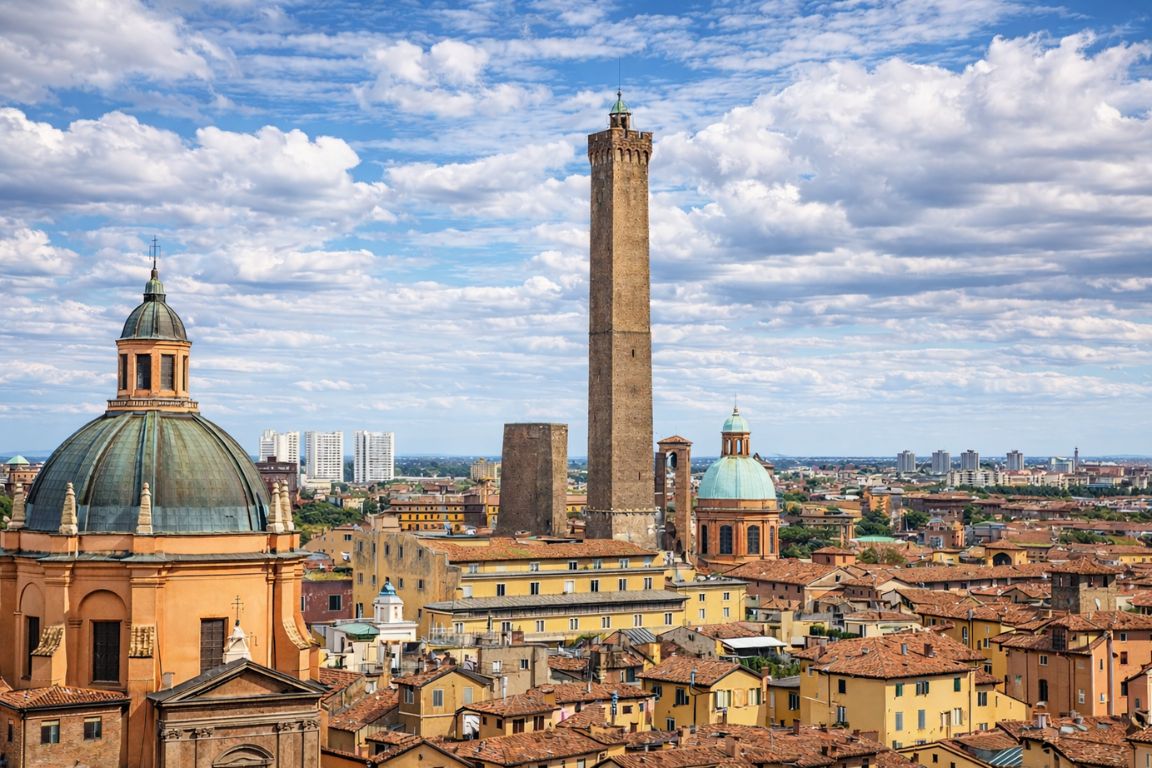
Fall wins for pure food experience – October and November specifically. White truffles arrive from nearby Piedmont and local forests, appearing shaved over fresh tagliatelle at restaurants throughout Bologna. Porcini mushrooms reach peak season, ending up in ragù, risotto, and roasted preparations. The grape harvest brings fresh must and new wines. Chestnuts roast on street corners. The weather cooperates – 15-20°C daytime, crisp mornings, occasional rain but manageable.
This is also when Bologna’s food culture feels most alive. The university returns from summer break, filling osterie with students. Locals aren’t on vacation – everyone’s in town, restaurants operate full schedules, markets overflow with seasonal produce. The energy is high, the food is exceptional, and you’re experiencing Bologna at its most authentic.
Spring (April-May) runs close second. Asparagus season peaks, appearing on every menu in dozens of preparations. Artichokes arrive from nearby farms. Fresh peas, fava beans, and early strawberries hit markets. The winter’s heavy braises give way to lighter preparations – fresh pasta with spring vegetables, grilled meats with seasonal sides. The weather is perfect for walking food tours – 18-22°C, sunny, flowers blooming under the porticos.
Summer has its defenders but significant drawbacks. Yes, tomatoes are incredible, zucchini flowers appear, peaches are perfect, and gelato season peaks. But the heat (30-35°C July-August) makes midday walking tours brutal. More critically, August ferragosto vacation empties Bologna – 30-40% of restaurants close for 2-3 weeks, family-run trattorias shut completely, and you’re left with tourist-focused spots. The quality dining scene contracts dramatically.
Winter offers the most authentic local experience but requires accepting cold, gray, rainy weather and shorter daylight hours. The upside: minimal tourists, locals-only restaurant atmosphere, excellent hearty food (bollito misto, brasato, rich ragù), lower prices, and genuine Bologna without performing for visitors. The downside: by February you’ll understand why Italians flee to Sicily for sun.
Once you’ve chosen your season, check out our complete guide to plan your visit to Bologna Italy food tours for booking timelines, what to pack, and day-by-day itinerary suggestions.
Table: Bologna Food Seasons Complete Comparison
Planning examples in this table are not current quotes or measured guarantees. Confirm prices, opening hours, party size and inclusions directly for your date.
| Season | Months | Weather | Signature Foods | Restaurant Scene | Crowds | Food Tour Experience | Prices | Best For |
|---|---|---|---|---|---|---|---|---|
| Spring | Apr-May | 18-22°C, sunny, occasional rain | Asparagus, artichokes, peas, fava beans, strawberries, lighter pastas | Fully operational, spring menus, outdoor seating opens | Moderate-High (Easter week very busy) | Excellent – perfect walking weather, markets vibrant | €90-110 tours | First-timers, comfortable weather, spring produce |
| Summer (Early) | Jun-mid Jul | 25-30°C, hot, sunny | Tomatoes, zucchini, eggplant, stone fruits, gelato season | Fully operational, lighter dishes, evening dining peak | High (but locals still present) | Good but hot – morning tours better than afternoon | €100-120 tours | Heat-tolerant, long days, outdoor dining |
| Summer (Late/Aug) | Late Jul-Aug | 30-35°C, oppressive heat | Same produce but ferragosto closures limit access | Not measured; confirm directly | Moderate (many locals gone) | Poor – heat unbearable, limited restaurant options | €110-130 tours (if operating) | Avoid unless no alternative |
| Fall | Sep-Nov | 15-22°C, crisp, some rain | White truffles, porcini mushrooms, chestnuts, grapes, squash | Peak season – everyone back, full menus, truffle supplements | High Sep-Oct, moderate Nov | Excellent – perfect weather, truffle season, harvest | €100-120 tours | Serious food enthusiasts, truffle lovers, optimal experience |
| Winter | Dec-Mar | 2-12°C, cold, gray, rainy | Hearty braises, bollito misto, citrus, radicchio, cavolo nero | Fully operational, traditional winter dishes, cozy atmosphere | Low (minimal tourists) | Good if weather-tolerant – authentic local scene | €75-95 tours (lower demand pricing) | Budget travelers, authentic local experience, cold-tolerant |
What Specific Foods Are Actually In Season When In Bologna?
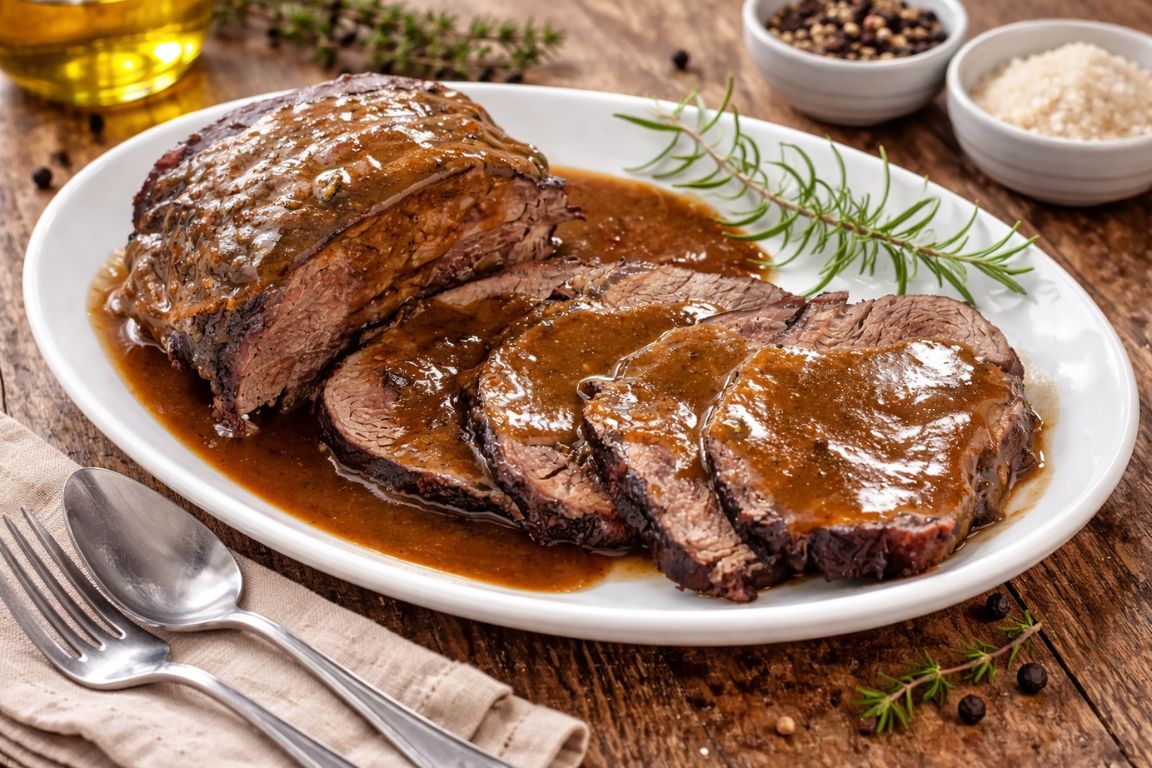
Bologna’s proximity to both mountains and plains creates diverse seasonal availability. Here’s what actually appears on menus and in markets month by month.
January-February:
- Citrus from southern Italy (blood oranges, bergamot)
- Radicchio from Veneto (Treviso, Chioggia varieties)
- Cavolo nero (Tuscan black kale) in soups and stews
- Winter squash (zucca) continuing from fall
- Truffles (lesser quality than Nov-Dec but still available)
- Hearty dishes: brasato (braised beef), bollito misto (boiled meats), trippa
March-April:
- Asparagus begins (peaks April-May)
- Artichokes from southern regions
- Fresh spring peas
- Fava beans (late April)
- Lamb for Easter
- Lighter pasta preparations replacing winter braises
May-June:
- Asparagus peak and decline
- Zucchini and zucchini flowers
- Early tomatoes (greenhouse, then field)
- Strawberries (peak May)
- Cherries (late May-June)
- Menus transition summer-light
July-August:
- Tomatoes peak (San Marzano, heirloom varieties)
- Eggplant, peppers, zucchini abundant
- Stone fruits (peaches, apricots, plums)
- Melons and watermelons
- Gelato everywhere
- Ferragosto closures mid-August disrupt everything
September-October:
- Figs and late stone fruits
- Grapes and wine harvest
- Porcini mushrooms appear
- Early white truffles (October expensive, November peak)
- Squash season begins
- Chestnuts roasting
November-December:
- White truffles peak (most expensive October, better value November)
- Porcini continue
- Chestnuts everywhere
- Citrus arriving
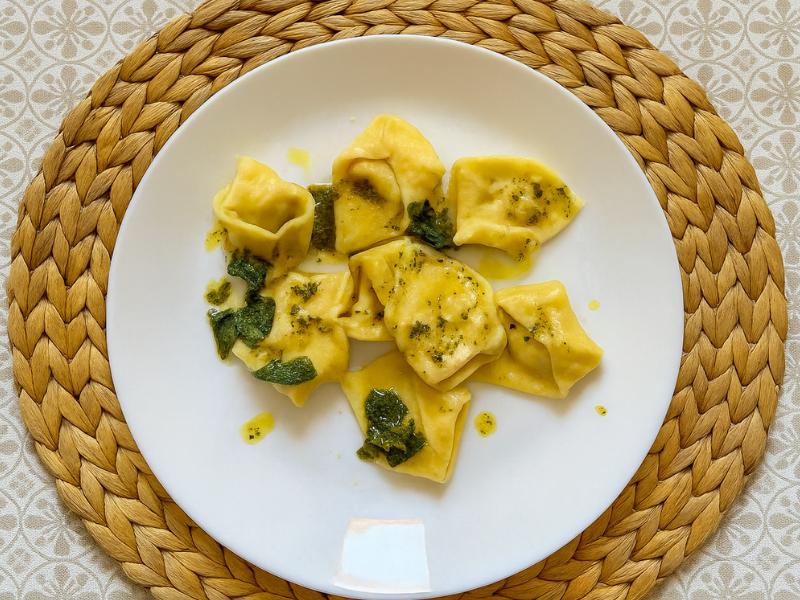
- Christmas specialties (tortellini production peaks, panettone, pandoro)
- Return to hearty winter dishes
The pattern: Bologna follows traditional Italian seasonal eating. Summer means light, vegetables, cold preparations. Winter means hearty, meat-focused, slow-cooked dishes. Spring and fall offer the most variety and best quality across categories.
We’ve got a full Bologna Italy street food guide that breaks down the must-try bites and exactly where to get them.
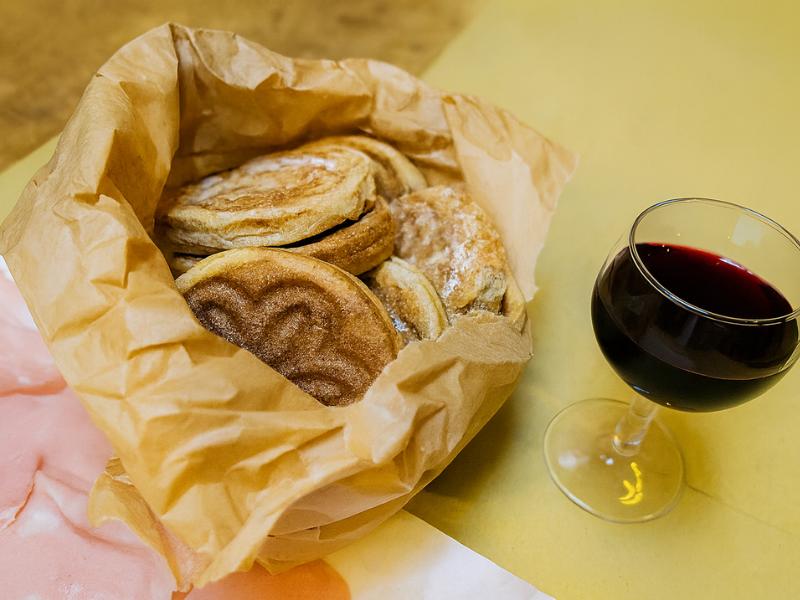
Bologna Walking Food Tour With A Local Expert
What could a local expert reveal between Bologna’s tasting stops? Taste pasta, cheese, cold cuts, wine and gelato while a local expert connects the stops.
Pastamama Home Pasta Class And Lunch
Planning a pasta-making lunch? Check your date before reserving another meal, then prepare fresh pasta in a Bologna home kitchen.
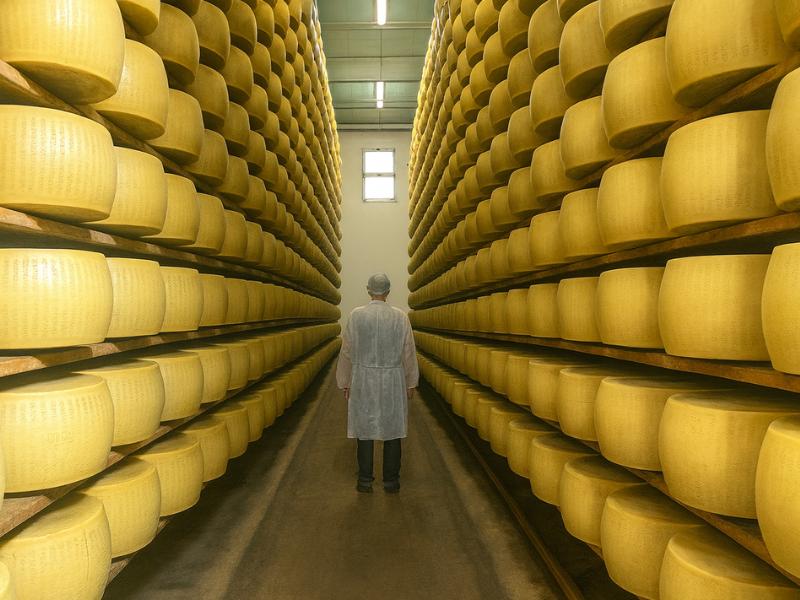
Italian Days Food Producers And Lunch
What lies behind the region’s cheese, balsamic and cured meats? Visit regional cheese, balsamic and cured-meat producers with transport, breakfast and lunch arranged.
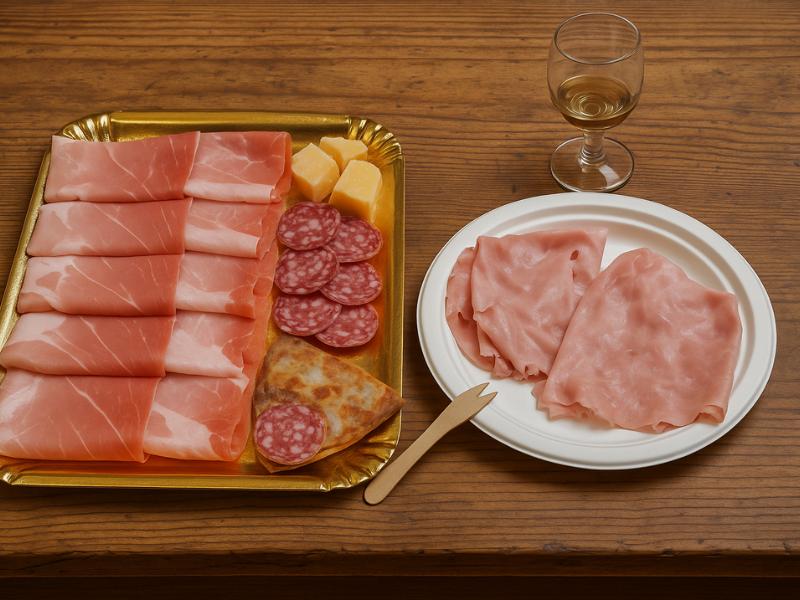
Food Tour in Bologna Through Local Eyes
Check the local food-and-market tour’s date before planning separate Bologna tasting stops.
Table: Bologna Seasonal Food Availability By Month
Planning examples in this table are not current quotes or measured guarantees. Confirm prices, opening hours, party size and inclusions directly for your date.
| Month | Peak Produce | Signature Dishes Available | Truffle Status | Market Highlights | Restaurant Focus |
|---|---|---|---|---|---|
| January | Citrus, radicchio, cavolo nero | Bollito misto, brasato, hearty ragù | Black truffles ending | Limited but authentic local shopping | Heavy winter comfort food |
| February | Same as January, early artichokes | Same winter dishes | Off-season (lowest quality) | Quietest market month | Traditional slow-cooked meats |
| March | Artichokes, early asparagus | Lighter preparations emerging | Off-season | Spring awakening begins | Transition menus |
| April | Asparagus peak, peas, fava beans | Asparagus risotto, spring pastas, lamb | Off-season | Vibrant with spring produce | Lighter, brighter dishes |
| May | Asparagus, strawberries, cherries | Spring vegetables, fresh preparations | Off-season | Colorful, abundant | Peak spring menus |
| June | Tomatoes, zucchini, stone fruits | Summer vegetables, lighter pastas | Off-season | Summer produce arrives | Transitioning to summer |
| July | Tomatoes peak, eggplant, peaches | Fresh tomato sauces, grilled vegetables | Off-season | Abundant but hot shopping | Light summer dishes |
| August | Same produce, ferragosto disruption | Limited due to closures | Off-season | Markets operating but many vendors closed | Skeleton crew restaurants |
| September | Figs, grapes, early porcini | Harvest dishes, grape-based | Off-season ending | Post-vacation recovery | Return to full operations |
| October | Porcini, early white truffles, squash | Mushroom dishes, truffle supplements (expensive) | White truffles begin (€€€) | Harvest abundance | Fall menus emerging |
| November | White truffles peak, chestnuts, porcini | Truffle tagliatelle, roasted chestnuts | White truffles peak (€€) | Cold but high quality | Peak fall/truffle season |
| December | Citrus, cavolo nero, Christmas specialties | Tortellini in brodo (holiday classic), panettone | Black truffles continue | Christmas preparations | Holiday menus, closures late month |
When Do Bologna Markets Actually Operate Best?
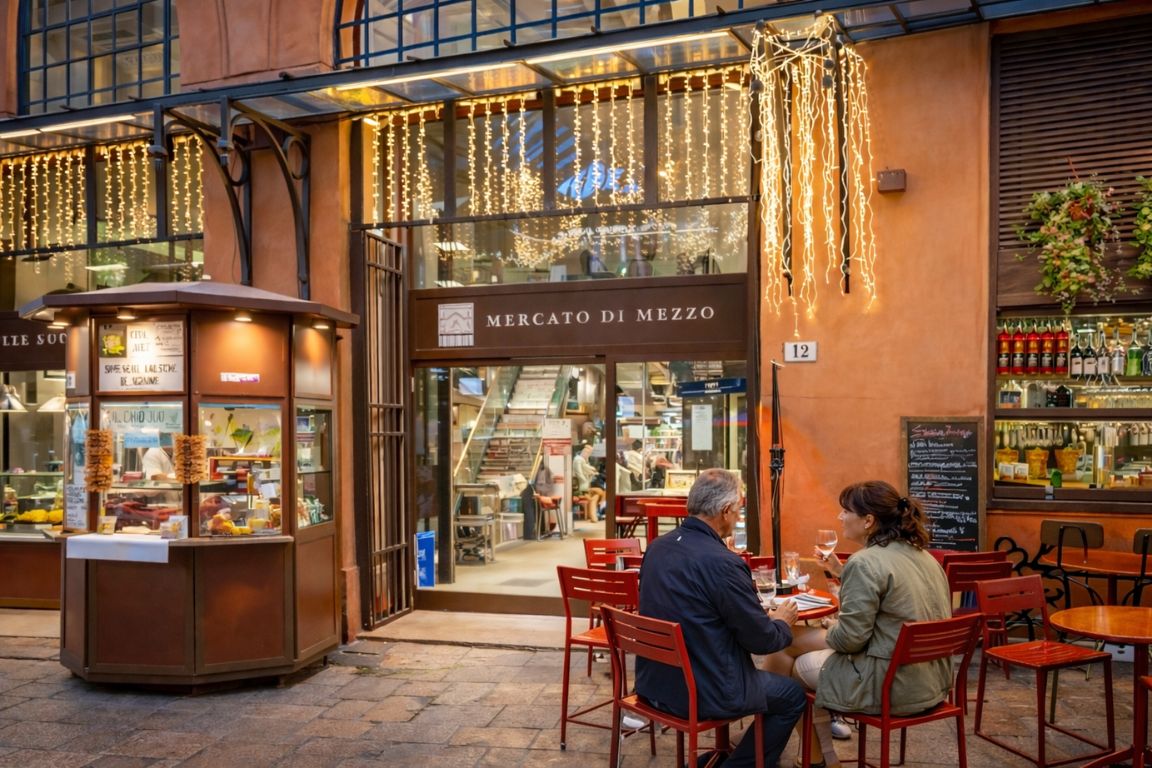
Mercato di Mezzo (Via Clavature, covered market) operates year-round Monday-Saturday 8am-midnight (ground floor vendors 8am-7:30pm, upper floor restaurants 8am-midnight). Sunday 10am-8pm. This is tourist-accessible all seasons, though summer crowds peak and August sees some vendor vacations.
Mercato delle Erbe (Via Ugo Bassi 25, neighborhood market) runs Monday-Saturday 7am-2pm, Friday also 4:30-7:30pm, closed Sunday. This local market peaks spring (April-May) and fall (September-October) when seasonal produce variety maximizes. Winter operates but with limited selection. August sees vendor vacations creating gaps.
La Piazzola (Piazza VIII Agosto, outdoor market) happens Friday and Saturday only, 7am-2pm. Best spring and fall when weather cooperates and produce selection peaks. Summer operates but the heat by 11am makes shopping uncomfortable. Winter operates but cold and rain reduce shopper enthusiasm and vendor quality.
Seasonal Market Patterns:
- Best selection: April-May (spring produce), September-November (fall harvest)
- Most crowded: Saturday mornings year-round, Friday mornings spring/fall
- Least crowded: Wednesday mornings (though many vendors close Wednesday afternoons – riposo)
- Worst times: August 10-20 (ferragosto closures), late December-early January (holiday closures), February (winter produce gap)
Taking a Bologna Italian food tour during spring or fall markets provides the best experience – vendors displaying peak seasonal items, comfortable weather for walking between stalls, and guides explaining what’s actually in season versus what’s imported.
When Are Bologna Restaurants Actually Closed?
Understanding closure patterns prevents frustration and hunger.
Weekly Closures:
- Sunday: 30-40% of trattorias closed (traditional family day)
- Monday: 20-30% closed (traditional riposo day for restaurants open Sunday)
- Wednesday afternoon: Various shops close 3-7pm (traditional riposo)
Annual Vacation Closures:
- August 5-25: 30-50% of restaurants closed for ferragosto vacation (family-run places shut 2-3 weeks)
- Late December-early January: 20-30% closed for Christmas/New Year
- Easter week: Some closures but less disruptive than August
Daily Schedule:
- Most restaurants close 3-7pm between lunch and dinner service
- Kitchens stop serving lunch 2-2:30pm, dinner 10-10:30pm
- Continuous service (all-day) restaurants are tourist-focused exceptions
How This Affects Food Tours: Bologna food tours operate year-round but avoid August 10-20 (too many vendor closures make quality tours impossible) and major holidays. Spring (April-May) and fall (September-November) provide most reliable vendor availability. Winter tours operate but with fewer participants and occasionally modified routes if specific vendors vacation.
If you’re new to Bologna, here are the best restaurants in Bologna Italy food tours take you to, so you know what to expect or book on your own.
Table: Bologna Restaurant And Vendor Closure Patterns
| Time Period | Closure Rate | What’s Closed | What Remains Open | Impact on Dining | Food Tour Availability | How to Navigate |
|---|---|---|---|---|---|---|
| Regular Sunday | Not measured; confirm directly | Family-run trattorias, many traditional spots | Tourist restaurants, upscale dining, chains | Moderate – plan ahead | Tours operate normally | Reserve advance, expect limited options |
| Regular Monday | Not measured; confirm directly | Spots open Sunday, various trattorias | Most restaurants, markets | Minor – plenty open | Tours operate normally | Check specific restaurants before walking over |
| August 5-15 | Not measured; confirm directly | Family trattorias, historic salumerie, many markets | Tourist-focused, modern restaurants, some chains | Severe – quality options limited | Some tours modify routes | Book remaining spots early, lower expectations |
| August 16-25 | Not measured; confirm directly | Peak vacation – most traditional spots | Minimal authentic options | Critical – difficult finding quality | Some tours pause operations | Seriously consider visiting different time |
| Late Dec (24-26) | Not measured; confirm directly | Almost everything Christmas days | Minimal emergency options | Severe on actual holidays | Tours pause Dec 24-26 | Hotels, tourist restaurants only |
| Late Dec-Early Jan | Not measured; confirm directly | Scattered vacation closures | Majority operating | Moderate – workable | Tours operate with modifications | Verify specific restaurants |
| Easter Week | Not measured; confirm directly | Various closures | Most operating | Minor – manageable | Tours operate normally | Reserve popular spots |
| February (Low Season) | Not measured; confirm directly | Occasional renovations/vacation | Nearly everything open | Minimal | Tours operate, fewer groups | Best availability |
What Weather Actually Affects Bologna Food Experiences?
Spring (April-May):
- Temperature: 15-22°C daytime
- Rain: Moderate (10-12 days monthly)
- Daylight: 6am-8pm by May
- Food tour impact: Ideal – walking 3-4 hours comfortable, porticos shelter from rain, markets pleasant to browse
- Dining: Outdoor seating opens, evening walks possible
- What to pack: Light layers, rain jacket, comfortable walking shoes
Summer (June-August):
- Temperature: 25-35°C (July-August extreme heat)
- Rain: Occasional thunderstorms
- Daylight: 5:30am-9pm peak
- Food tour impact: Morning tours essential (afternoon tours 2-6pm unbearable in July-August), hydration critical, energy-sapping by stop 4-5
- Dining: Evening dining preferable (cooler), gelato necessary not optional
- What to pack: Sun protection, water bottle, lightest possible clothing
Fall (September-November):
- Temperature: 12-22°C (September warm, November cool)
- Rain: Increasing (November wettest month 8-10 rainy days)
- Daylight: 7am-6pm by November
- Food tour impact: Excellent – comfortable walking, truffle season maximizes food experience, rain manageable under porticos
- Dining: Cozy indoor atmosphere develops, hearty dishes appear
- What to pack: Layers, rain gear (especially November), comfortable shoes
Winter (December-March):
- Temperature: 2-12°C, occasional snow
- Rain/fog: Frequent (10-12 rainy days monthly)
- Daylight: 7:30am-5pm (short days)
- Food tour impact: Cold but manageable – porticos provide shelter, fewer tourists create intimate tours, winter foods excellent
- Dining: Cozy trattorias at their best, hearty ragù and braises shine
- What to pack: Warm layers, waterproof jacket, insulated shoes, gloves
The 38 kilometers of covered porticos make Bologna more weather-resistant than most Italian cities. Rain doesn’t destroy food tours – you walk under cover between most stops. Heat is the bigger enemy – July-August midday tours are genuinely mise Quadrilatero streets rable.
How Do Crowds And Tourism Patterns Affect Bologna Food Tours?
Peak Tourist Season (May-June, September-October):
- Mercato di Mezzo packed 11am-2pm and 6-8pm
- crowded, popular salumerie have queues
- Restaurant reservations essential 2-4 days ahead
- Food tours operate maximum groups (12-15 people)
- Vendors patient but busy, less time for extended conversations
- Prices reflect high season (tours €100-120)
Shoulder Season (April, November):
- Moderate crowds, manageable
- Food tours run smaller groups (6-10 people often)
- Vendors have time for questions and demonstrations
- Restaurant reservations helpful but not critical except top spots
- Best balance of experience quality and accessibility
- Pricing moderate (tours €90-110)
Low Season (January-March, except February carnival):
- Minimal tourists, authentic local atmosphere
- Food tours may combine small groups, intimate experience
- Vendors very available, extended explanations common
- Walk-in restaurant seating often possible
- Genuine Bologna without tourist performance
- Lower pricing (tours €75-95)
Worst Crowds:
- Easter week (Italian tourists, families, religious visitors)
- Christmas markets period (December 1-January 6)
- Bologna trade fairs (various dates, business travelers)
- University start (mid-September, students returning)
The sweet spot: late April-early May and November. You get seasonal food quality, comfortable weather, manageable crowds, and reasonable pricing. October is incredible for food (truffles) but crowded and expensive.
For a detailed look at the best Bologna Italy food tours and how they stack up, check out our full comparison.
Table: Bologna Food Tourism By Month – Crowds, Prices, Availability
Planning examples in this table are not current quotes or measured guarantees. Confirm prices, opening hours, party size and inclusions directly for your date.
| Month | Tourist Crowds | Food Tour Pricing | Restaurant Reservations | Weather for Walking | Food Quality | Overall Value | Best For |
|---|---|---|---|---|---|---|---|
| January | Very Low | €75-85 | Walk-ins usually fine | Cold (5-10°C) but porticos help | Good winter comfort food | Excellent (low price, availability) | Budget, authentic local experience |
| February | Low | €75-85 | Walk-ins fine except Carnival | Cold (5-12°C), some rain | Weakest produce month | Good (cheap but limited seasonal variety) | Budget, quiet experience |
| March | Low-Moderate | €85-95 | Recommended for weekends | Cool (10-15°C), improving | Improving, spring emerging | Good (reasonable price, crowds building) | Value seekers, spring preview |
| April | Moderate-High | €90-110 | Recommended 1-2 days ahead | Excellent (15-22°C) | Excellent spring produce | Excellent (great weather, asparagus, moderate prices) | Optimal overall experience |
| May | High | €100-120 | Essential 2-4 days ahead | Excellent (18-24°C) | Excellent spring peak | Very Good (high price offset by quality) | Premium experience, comfortable weather |
| June | High | €100-120 | Essential 2-4 days ahead | Hot (24-30°C) | Good summer produce begins | Good (expensive, hot, but quality food) | Heat-tolerant visitors |
| July | Moderate-High | €110-130 | Essential | Very hot (28-33°C), tours uncomfortable | Good produce but heat limits enjoyment | Fair (expensive, uncomfortable heat) | Only if unavoidable |
| August | Low (locals gone) | €110-130 if operating | Many closed | Oppressive heat (30-35°C) | Ferragosto closures disrupt quality | Poor (closures, heat, tourist-only scene) | Avoid if possible |
| September | High | €100-120 | Essential 2-3 days ahead | Excellent (22-27°C cooling) | Excellent harvest begins | Very Good (crowds return but food excellent) | Great all-around experience |
| October | Very High | €110-130 | Essential 3-5 days ahead | Excellent (15-22°C) | Outstanding (truffle season) | Good (expensive, crowded, but peak food) | Truffle enthusiasts, serious foodies |
| November | Moderate | €100-110 | Recommended 1-3 days ahead | Good (10-18°C, some rain) | Outstanding (truffle peak, better value) | Excellent (truffle season without October chaos) | Best bang-for-buck truffle experience |
| December | Low (pre-Christmas), High (markets period) | €85-95 | Mixed – closures late month | Cold (5-12°C), festive atmosphere | Good winter foods, Christmas specialties | Good (festive but closures) | Christmas markets atmosphere |
When Should You Actually Book Bologna Food Tours?
Booking Timeline by Season:
Peak Season (April-May, September-October):
- Check actual departures once your travel dates are known; advance booking does not guarantee availability
- Popular Saturday/Sunday tours fill 3-4 weeks advance
- Weekday tours: 1-2 weeks usually sufficient
- Private tours: 3-6 weeks for specific dates
- Last-minute (2-3 days): possible but limited availability
Shoulder/Low Season (November-March, June-July):
- Book 1-2 weeks ahead for preferred dates
- Weekend tours: 1-2 weeks
- Weekday tours: 3-7 days often sufficient
- Private tours: 2-3 weeks
- Last-minute (48 hours): often available
August:
- Book 3-4 weeks ahead if visiting (limited tours operating)
- Many operators pause August 10-20
- Confirm tour operation dates before booking travel
Strategic Booking Approach:
- Book Bologna Italian food tours first when planning trip
- Schedule tours early in visit (day 1-2) for restaurant recommendations
- Morning tours (9:30-10am start) more popular – book earlier
- Afternoon tours (2-3pm) easier last-minute availability
Cancellation Considerations:
- Spring: weather generally reliable
- Summer: occasional thunderstorms (rarely cancel tours)
- Fall: November rain increases (tours proceed under porticos)
- Winter: rare snow/ice can affect tours
What Food Festivals And Events Affect Bologna Visiting Timing?
Annual Food-Related Events:
Mortadella Please (October):
- 3-day festival celebrating mortadella
- Piazza Maggiore installations, tastings, demonstrations
- Restaurants create special mortadella menus
- Excellent timing for food enthusiasts but crowds intense
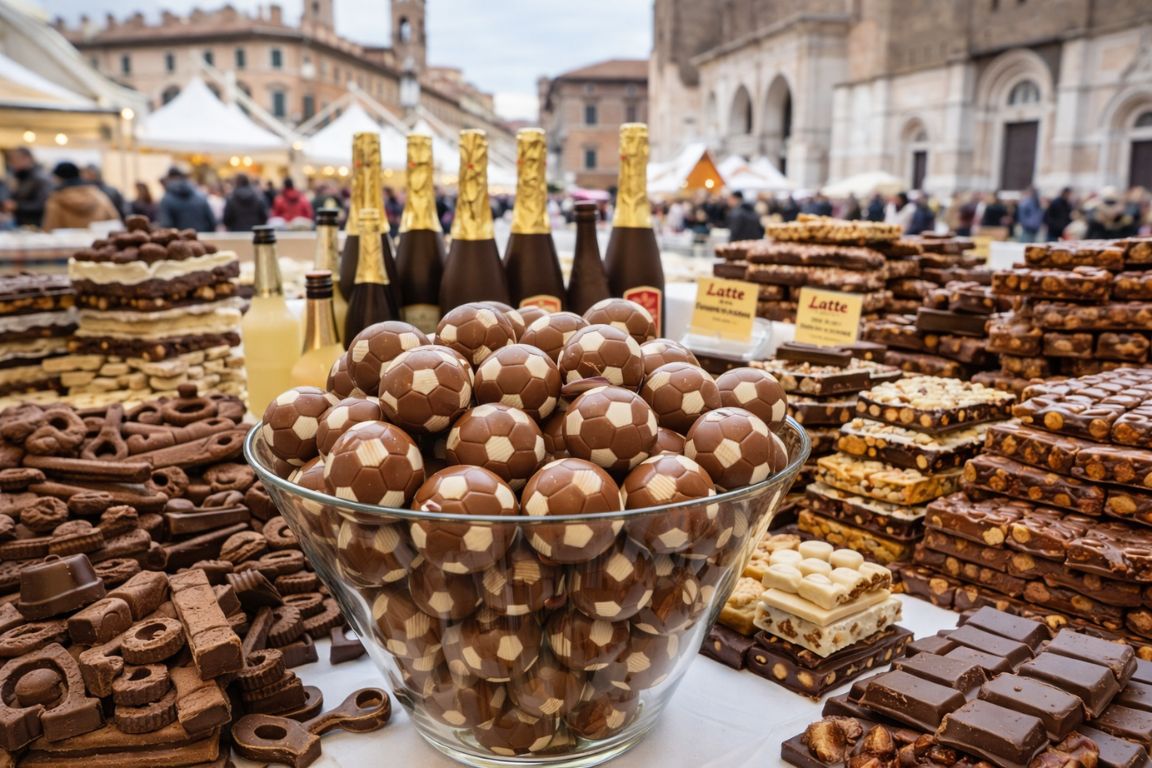
Cioccoshow (November):
- Chocolate festival, typically mid-November
- 4-5 days, Piazza Maggiore and surrounding
- International artisan chocolatiers
- Combines well with truffle season for ultimate food experience
Wine Events (Various):
- Regional wine tastings throughout year
- Major event typically May (VinItaly in nearby Verona influences Bologna)
- November wine harvest celebrations
Truffle Fairs (October-November):
- Alba truffle fair (90 minutes away) influences Bologna truffle availability
- Local truffle markets and restaurant specials
- Peak truffle appreciation window
University Start (Mid-September):
- Not food-specific but affects restaurant atmosphere
- Osterie fill with students, social energy increases
- Authentic Bologna returns after August emptiness
Christmas Markets (December 1-January 6):
- Historic center transforms, food stalls appear
- Traditional holiday foods available
- Crowds increase significantly, especially weekends
- Some restaurants modify menus for holiday specialties
These events can enhance visits (more food options, festival atmosphere, special menus) or complicate them (crowds, higher prices, accommodation scarcity). Booking food tours and accommodations well in advance during festival periods is essential.
What’S The Absolute Worst Time To Visit Bologna For Food?
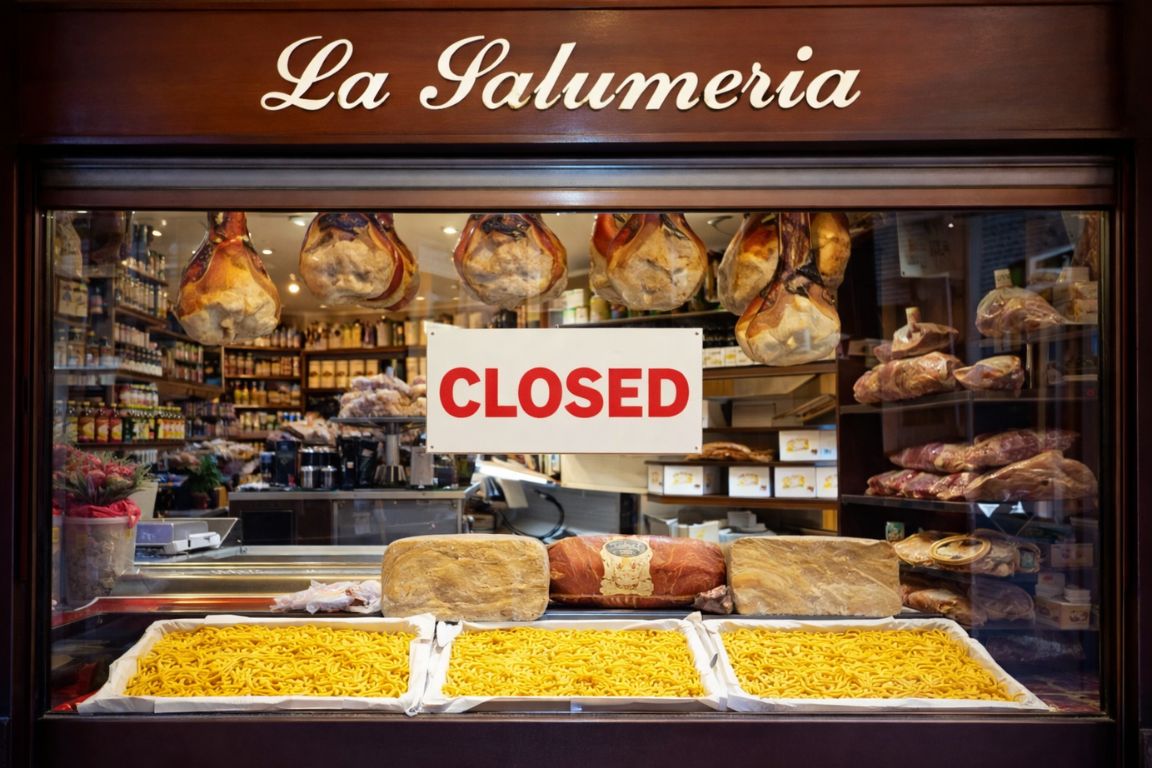
August 10-25 (Ferragosto Peak): This is genuinely problematic. Here’s what actually happens:
30-50% of family-run trattorias close completely. Not just slow down – physically closed, locked doors, “Chiuso per ferie” (closed for vacation) signs. The salumerie you wanted to visit? Closed. The pasta lab making fresh tortellini? Closed. The market stall with incredible mortadella? Closed August 7-28.
What remains open? Tourist-focused restaurants that never close, chains, upscale places with enough staff to rotate vacations, and recently opened modern spots without family vacation traditions. The authentic Bologna food scene essentially pauses.
Food tours either pause operations or significantly modify routes, visiting secondary vendors instead of primary relationships. The experience diminishes – you’re not getting the best, you’re getting what’s available.
The heat compounds misery. Walking 3-4 hours in 32-35°C weather between food stops is miserable. You’re hot, tired, and less able to appreciate the food. Vendors operating in August heat are equally miserable.
February (Low Food Quality, Bad Weather): Not as destructive as August but still weak. This is the gap month between winter produce and spring arrival. Radicchio and citrus continue but variety is minimal. The asparagus you’re reading about won’t arrive for 6-8 weeks. Truffles are off-season or extremely expensive for inferior quality.
Weather compounds the issue – cold, gray, rainy, with short daylight hours (dark by 5:30pm). Walking food tours in February rain aren’t fun. The food doesn’t compensate for the discomfort like truffle season does in November.
Late July: The heat becomes oppressive (30-33°C regularly) but restaurants are still mostly open, creating decision paralysis. You can technically do everything, but nothing is comfortable. Food tours operate but participants are miserable by stop three. The evening timing helps but limits daylight market visits.
FAQs
Should I visit Bologna during truffle season even if truffles are expensive? Yes, if you’re a serious food enthusiast. White truffle supplements run €30-80 at restaurants (depending on portion size and market prices), but experiencing them fresh-shaved over tagliatelle in their region of origin justifies the cost for most food travelers. November offers better truffle value than October. Alternatively, take a Bologna Italian food tour during truffle season – guides often arrange truffle tastings at better prices than restaurant supplements through vendor relationships.
Can I take Bologna food tours year-round or do they pause? Tours operate year-round except major holidays (Christmas Day, New Year’s Day) and mid-August ferragosto (August 10-20 many operators pause due to vendor closures). Best operational months are April-May and September-November when all vendors operate, weather cooperates, and tour groups are properly sized. Winter tours (December-March) operate but with fewer participants and occasional route modifications.
Is it worth visiting Bologna in August if that’s my only option? Only if you understand and accept limitations: 30-50% restaurant closures, oppressive heat, diminished food tour experiences, and tourist-heavy atmosphere. If August is genuinely your only option, go – Bologna beats not going. But if you have any scheduling flexibility, choose literally any other month. Late September (post-ferragosto, pre-peak crowds) saves your trip while keeping similar weather.
How much does truffle season actually increase Bologna food costs? Truffle supplements at restaurants: €30-80 per dish depending on truffle market prices (volatile) and portion. Without truffle supplements, menu prices don’t increase – you pay normal €12-16 primi. Food tour prices increase slightly October-November (€100-120 vs €85-95 February) reflecting higher participant demand, not truffle costs (tours include tastings but not massive truffle portions). Accommodation prices jump 20-30% October, especially weekends. Budget €50-100 extra daily if ordering truffle dishes.
Should first-time Bologna visitors prioritize weather or food seasonality? Prioritize weather if you want comfortable, accessible experience (April-May optimal). Prioritize food seasonality if you’re serious food enthusiast willing to tolerate cold/rain for truffles (November). Most first-timers should choose April-May – excellent seasonal food (asparagus, spring produce) with perfect weather making the entire experience more enjoyable. Return visits can tackle truffle season’s weather challenges.
Do Bologna markets operate during August ferragosto closures? Mercato di Mezzo operates (covered market, tourist-accessible) but with reduced vendor participation. Mercato delle Erbe operates reduced hours with vendor vacations creating gaps. La Piazzola outdoor market continues Friday-Saturday but quality/variety diminishes. Markets don’t completely shut like restaurants but selection drops 30-40% and best vendors vacation. Taking food tours during this period means secondary vendor options.
When should I book Bologna accommodations relative to food tour timing? Book accommodations first (especially peak season April-May, September-October when availability tightens), then immediately book food tours for preferred dates. Peak season Saturday tours can fill 3-4 weeks ahead. Accommodations and tours should be booked together, not sequentially – losing preferred tour dates because you waited to confirm lodging creates frustration. Start planning 2-3 months ahead for spring/fall visits.
How does Bologna food festival timing affect restaurant availability? Major festivals (Mortadella Please October, Cioccoshow November, Christmas markets December) increase restaurant demand and require earlier reservations (3-5 days ahead vs usual 1-3 days). Restaurants often create festival-specific menus (Mortadella Please generates mortadella-focused specials everywhere). Accommodation prices jump. Food tours operate normally but may be fully booked. If visiting during festivals, book everything (tours, restaurants, hotels) 4-6 weeks ahead minimum.
Glossary
Truffle Season: October-December when white truffles (tartufi bianchi) from Piedmont and local forests appear fresh on Bologna restaurant menus, typically as shaved supplements over pasta (€30-80 extra per dish depending on market prices).
Ferragosto: Italian August 15 holiday and surrounding vacation period (typically August 5-25) when 30-50% of family-run Bologna restaurants, salumerie, and markets close completely for annual vacation, severely limiting authentic food options.
Shoulder Season: April-May and September-November periods offering optimal balance of good weather, peak seasonal foods, manageable crowds, and reasonable pricing (€90-110 food tours vs €110-130 peak summer).
Peak Season: May-June and September-October when Bologna tourism maximizes, restaurants require 2-4 day advance reservations, food tour groups fill to capacity (12-15 people), and prices reach annual highs.
Riposo: Traditional Italian afternoon closure period, typically 3-7pm, when some Bologna shops and restaurants close between lunch and dinner service. Wednesday afternoon riposo is most common for food vendors.
Spring Produce: Asparagus, artichokes, fresh peas, fava beans, and strawberries peaking April-May, appearing on Bologna restaurant menus in seasonal preparations replacing winter’s heavy braises.
Fall Harvest: September-November seasonal foods including white truffles, porcini mushrooms, chestnuts, grapes, and squash defining Bologna’s peak food season despite cooling weather.
Mercato di Mezzo: Bologna’s historic covered market (Via Clavature) operating year-round, most accessible to tourists, featuring permanent food vendors ground floor and casual restaurants upstairs, busiest 11am-2pm and 6-8pm.
Porticos: 38 kilometers of covered medieval walkways throughout Bologna historic center providing shelter during food tours and market shopping, making rain less disruptive than in other Italian cities.
Food Tour Season: Year-round operation except major holidays and mid-August ferragosto, with optimal experiences April-May (spring) and September-November (fall harvest) when vendor availability, weather, and crowds balance ideally.
Bologna Walking Food Tour With A Local Expert
What could a local expert reveal between Bologna’s tasting stops? Taste pasta, cheese, cold cuts, wine and gelato while a local expert connects the stops.
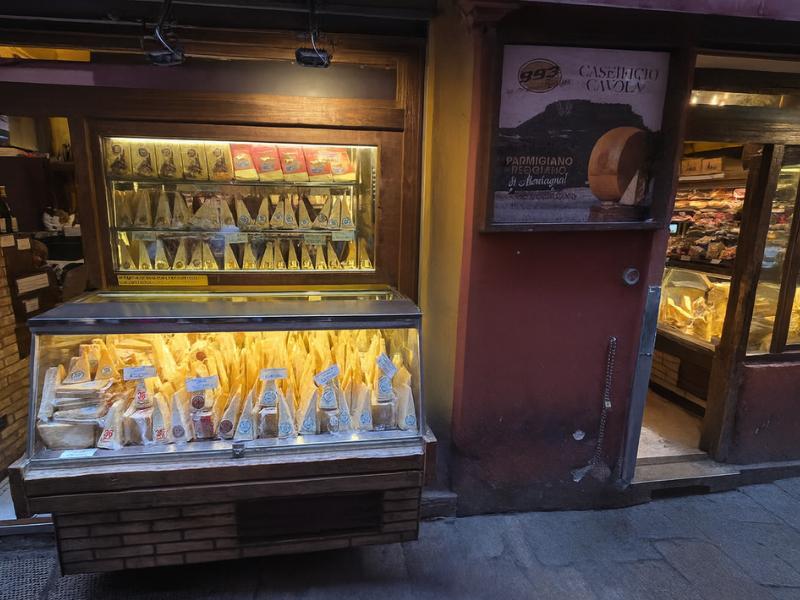
Bologna Food Tour: Walk and Taste with a Local Guide
Have your Bologna date in mind? Check a three-hour departure before arranging your other meals, and explore the city through guided tastings.
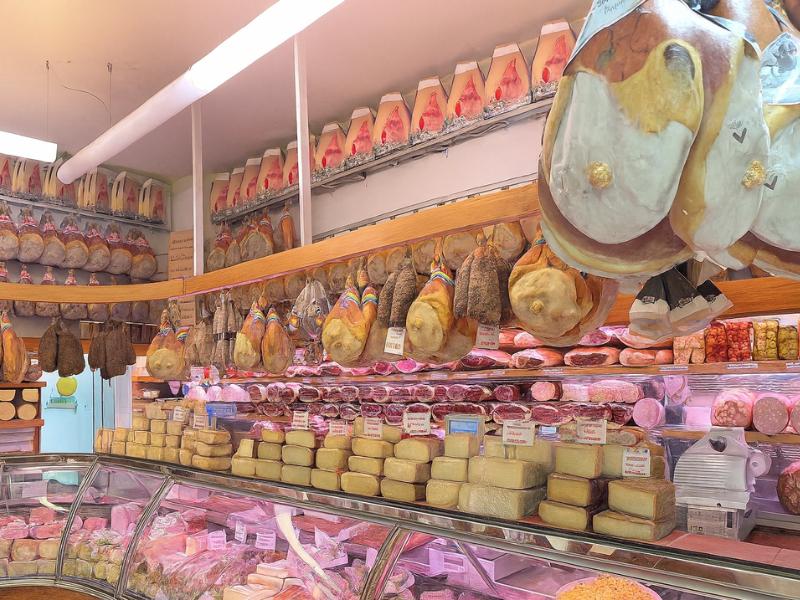
Private Bologna Food And Market Walk
What would your party discover with a guide of its own? Explore central food stops with a guide dedicated to your party and a pace discussed with the operator.