Bologna Street Food Guide: What And Where To Eat
Bologna “street food” isn’t carts or trucks, it’s market stalls and historic counters. Eat piadina, tigelle, mortadella in the Quadrilatero for €15–25 like locals.
The independent route comes first. A local guide is an optional way to connect several tastings and understand what you are eating. Choose Your Food Experience.
TL;DR
Choose a few counters for an independent lunch. Add the three-hour city walk for local explanation and a planned tasting route, or a pasta class if making food interests you more.
What Actually Counts As Street Food In Bologna?
Check Bologna Food-Walk Availability
Check your walking-tour date before arranging the rest of your Bologna meals. The three-hour route combines local tastings with a guide to connect the stops.
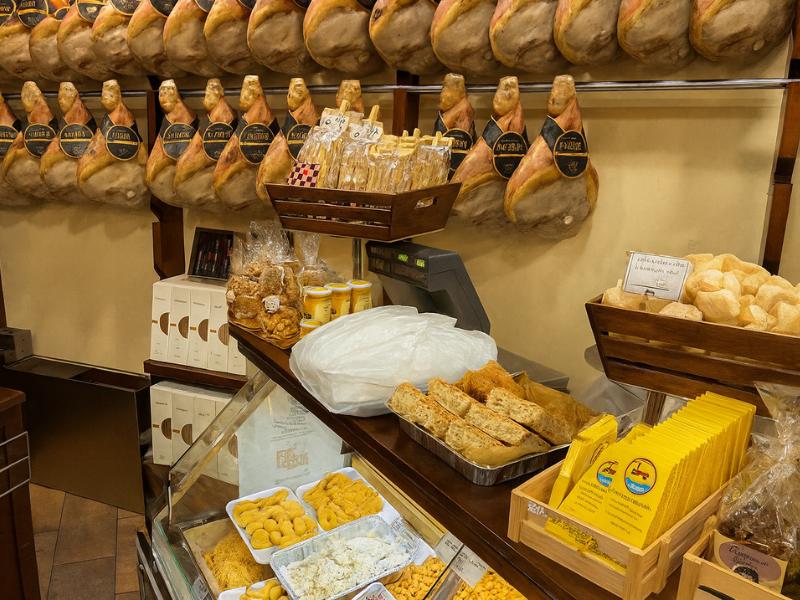
If you’re expecting Bangkok-style street carts or New York hot dog vendors, reset your expectations. Bologna’s street food culture centers on historic market stalls, portico bakeries, and casual counter service spots where you order, pay, eat standing or at high tables, and leave. No formal service, no sitting for an hour, no multi-course meals.
The food itself represents quick, traditional bites Bolognese people have eaten for generations – not trendy fusion or Instagram-focused novelties. A mortadella sandwich from a salumeria that’s been slicing it the same way since 1932. Piadina flatbreads made on griddles by the same family for 40 years. Fried crescentine served hot in paper cones.
This is functional, quality fast food with deep roots. The vendors aren’t trying to be cool or artisanal – they’re simply continuing what their grandparents did.
Before you book, you might want to know what to expect on a Bologna Italy food tour – it’s not quite what most people imagine.
Where Is Bologna’S Street Food Actually Located?
Mercato di Mezzo (Via Clavature) is Bologna’s historic covered market, reopened in 2014 after renovations. Ground floor features permanent stalls selling fresh pasta, cheese, meat, produce. Upper floor houses casual eateries with counter seating. This is tourist-friendly (English spoken, cards accepted) but still maintaining quality. Gets very crowded 12:30-2pm weekdays with office workers.
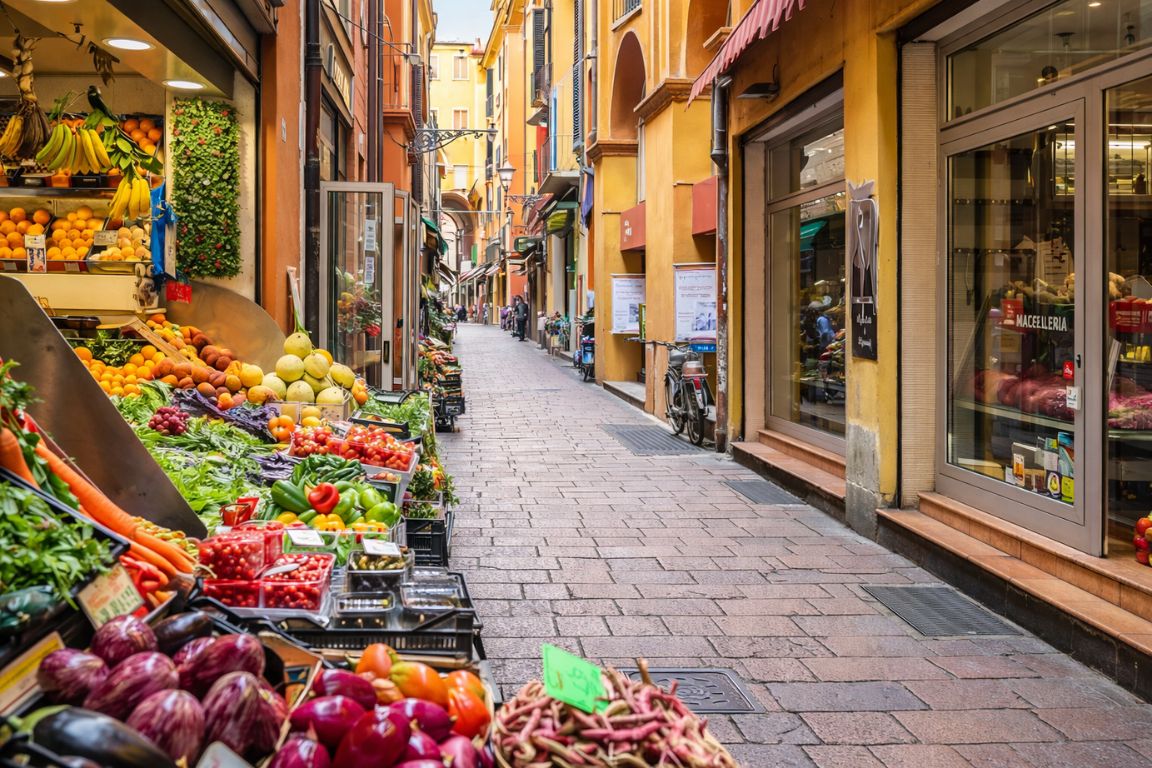
Quadrilatero District (the medieval market quarter bounded by Via Rizzoli, Via dell’Indipendenza, Via Farini, and Via San Vitale) contains the densest concentration of food shops and casual eating spots. Narrow cobblestone lanes lined with salumerie, bakeries, pasta labs, cheese shops, many offering prepared foods to go or eat standing. More authentic, less touristy than Mercato di Mezzo, but requires more navigation and Italian helps.
Via Pescherie Vecchie specifically is street food central – the narrow lane connecting Via dell’Archiginnasio to Piazza Maggiore, lined with market stalls, delis, and casual spots. Peak chaos at lunch when locals elbow for position at the popular counters.
Portico areas throughout the historic center house various bakeries, pizza al taglio spots, and sandwich shops operating from small storefronts with counter service only.
What Should You Actually Eat For Bologna Street Food?
Piadina – Thin flatbread grilled on cast iron, folded in half with fillings. Traditional Romagnola (from nearby Romagna region) street food adopted by Bologna. Common fillings: prosciutto and squacquerone (soft cheese), mortadella and arugula, salsiccia (sausage) and stracchino. Good piadina should be slightly crispy outside, soft inside, not doughy or tough. Eaten hot, held in paper wrapping. €5-8 depending on filling.
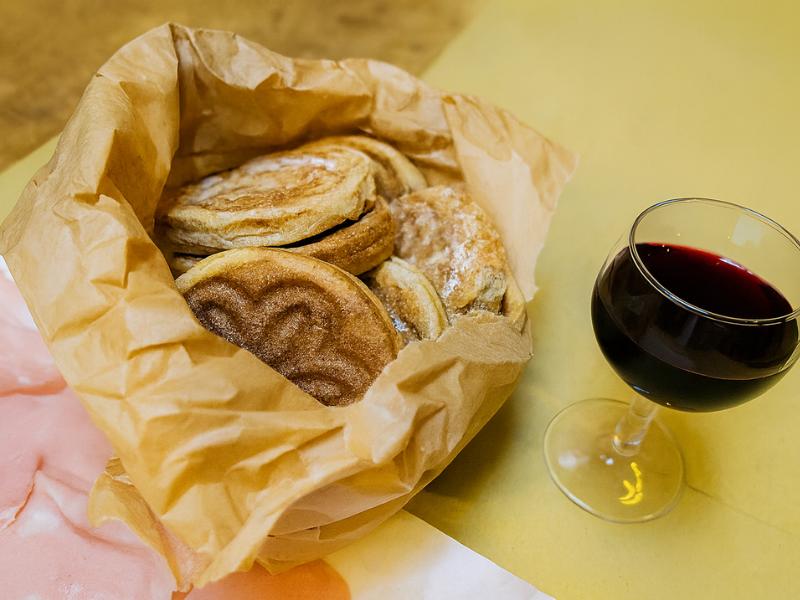
Tigelle – Small round breads about 8cm diameter, traditionally cooked in special terracotta molds over fire. Served split open with cured meats (mortadella, prosciutto, salame), soft cheeses (squacquerone, stracchino), and sometimes lardo. Usually ordered by quantity – 4-6 tigelle makes a meal. Street food versions come in paper-lined baskets. €8-12 for adequate portion.
Crescentine (also called crescente or gnocco fritto) – Diamond-shaped fried dough, pillowy and light when done right, greasy and heavy when done wrong. Traditionally served with salumi and soft cheese, or topped with spreads. Must be eaten hot – they deflate and get tough as they cool. €10-15 with accompaniments.
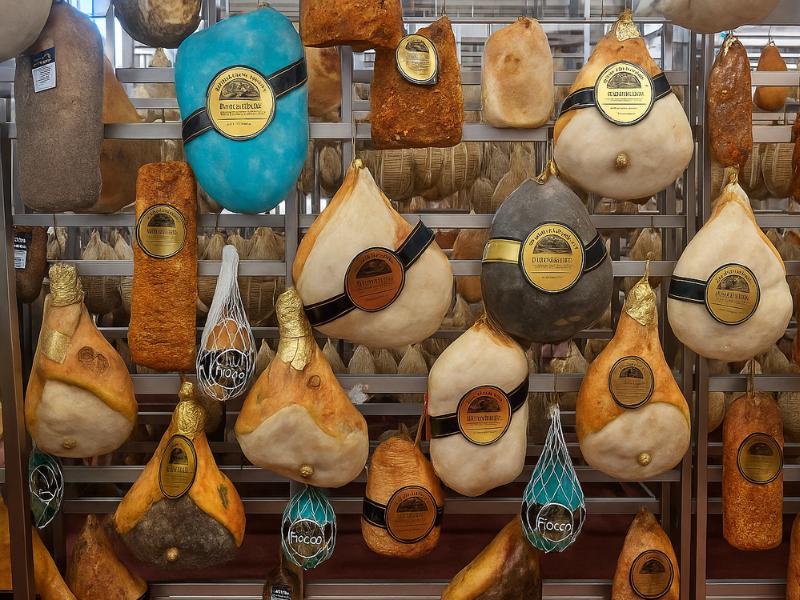
Mortadella Sandwiches – The simplest and perhaps most satisfying Bologna street food. Fresh mortadella sliced thick (not paper-thin) on crusty bread, maybe a swipe of butter, maybe arugula, nothing more. Quality depends entirely on the mortadella source. Historic salumerie slice it fresh from the cylinder while you watch. €6-10 depending on size.
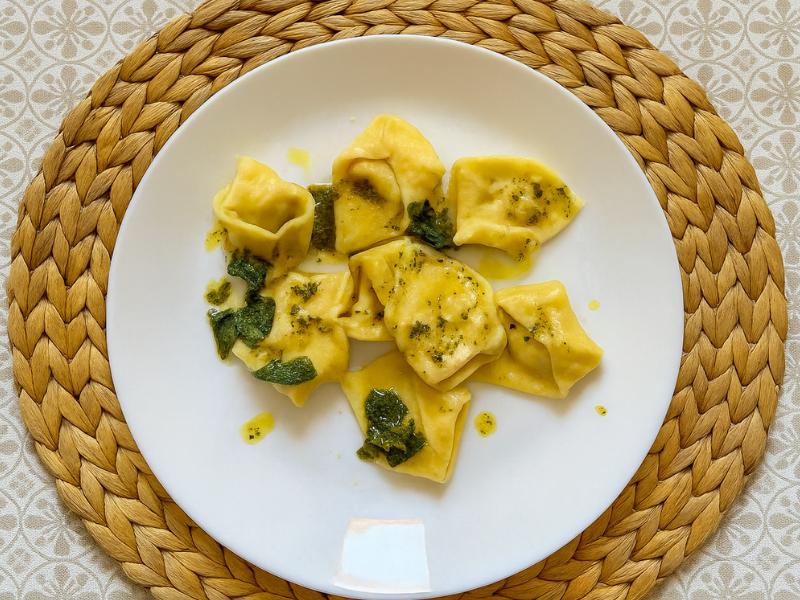
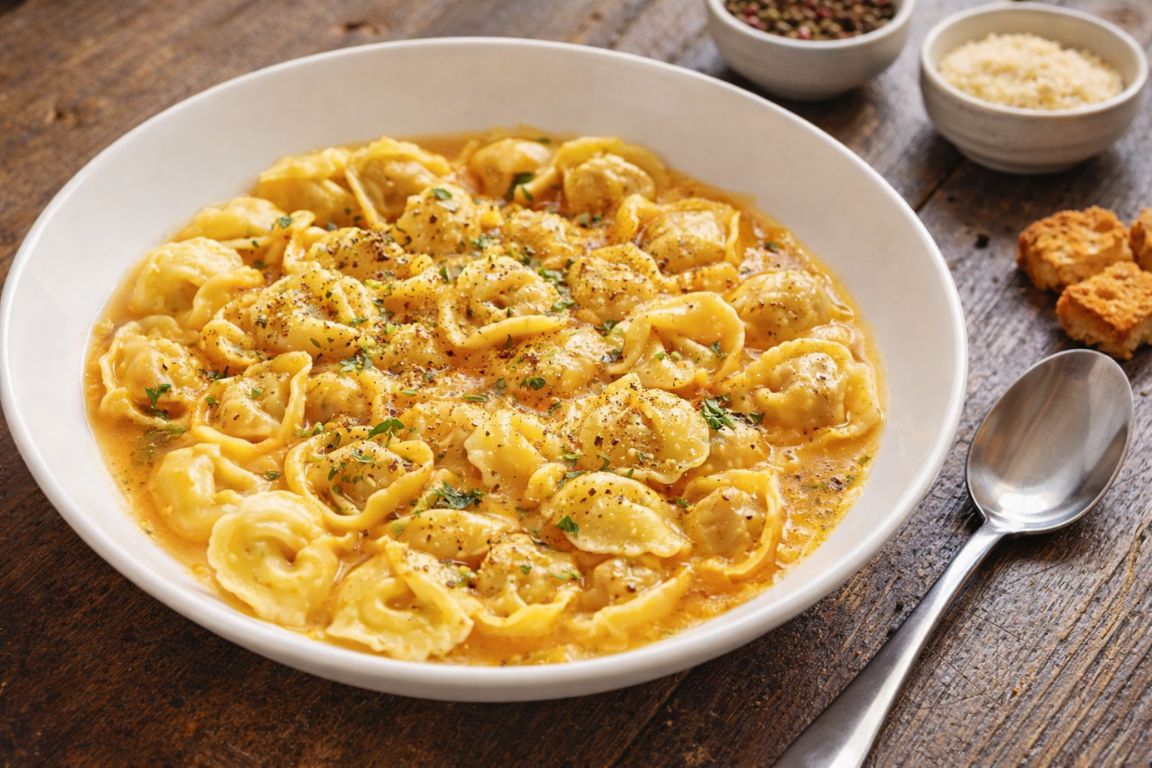
Tortellini or Tortelloni to go – Some fresh pasta shops sell cooked portions in containers to eat immediately. Not traditional “street food” but available for those wanting to try fresh pasta without restaurant commitment. Tortellini in brodo (broth) travels in containers. Tortelloni (larger, often spinach-ricotta) with butter and sage can be eaten standing. €8-12 per portion.
Pizza al Taglio – Rectangular pizza sold by weight, cut to order, reheated if desired. Not Bologna’s specialty (that’s further south) but available at several spots. Quality varies wildly. Look for shops where they’re actively making pizza, not reheating day-old slices. €5-8 for satisfying portion.
Gelato – Not exactly street food, but the logical conclusion to any Bologna food walk. Artisan gelaterias making everything fresh daily, natural colors, covered metal bins (not mountains of bright colored gelato in display windows – that’s industrial trash). €3-5 for two flavors.
I’ve put together a complete Bologna street food guide that maps out what to eat and where to find the real deal.
The walk-and-taste tour fits when choosing and connecting the stops is the main obstacle. Stay independent if selecting each counter is part of the experience you want.
Table: Bologna Street Food Items Comparison
Planning examples in this table are not current quotes or measured guarantees. Confirm prices, opening hours, party size and inclusions directly for your date.
| Item | What It Is | Best Place to Find | Typical Price | When to Eat | Must-Try or Skip? |
|---|---|---|---|---|---|
| Piadina | Grilled flatbread sandwich | La Piadera (Via Pescherie Vecchie) | €5-8 | Lunch, quick dinner | MUST-TRY – quintessential |
| Tigelle | Small round breads with salumi | Berbamè (Via Clavature), market stalls | €8-12 (4-6 pieces) | Lunch, aperitivo | MUST-TRY – traditional |
| Crescentine | Fried dough with toppings | Various Quadrilatero stalls | €10-15 | Lunch, aperitivo | TRY IF – good when fresh, skip if sitting out |
| Mortadella Sandwich | Fresh-sliced on crusty bread | Simoni (Via Drapperie), Tamburini | €6-10 | Anytime | MUST-TRY – simplicity perfected |
| Tortellini to-go | Fresh pasta in container | Sfoglia Rina, Paolo Atti | €8-12 | Lunch | TRY IF – want pasta without restaurant |
| Pizza al Taglio | Pizza by the slice/weight | Various, quality varies | €5-8 | Quick lunch | SKIP – not Bologna’s strength |
| Gelato | Artisan ice cream | Cremeria Funivia, Sette Chiese | €3-5 | Anytime, especially after meals | MUST-TRY – world-class |
What Are The Best Specific Locations For Street Food In Bologna?
Paolo Atti & Figli (Via Caprarie 7) – Historic bakery since 1868. The tortellini and tortelloni sold at their counter are exceptional. Take away containers of fresh pasta cooked to order. Also excellent bread, pastries, and pizza. Busy at lunch – arrive early or late to avoid queues. €8-12 for pasta portions.
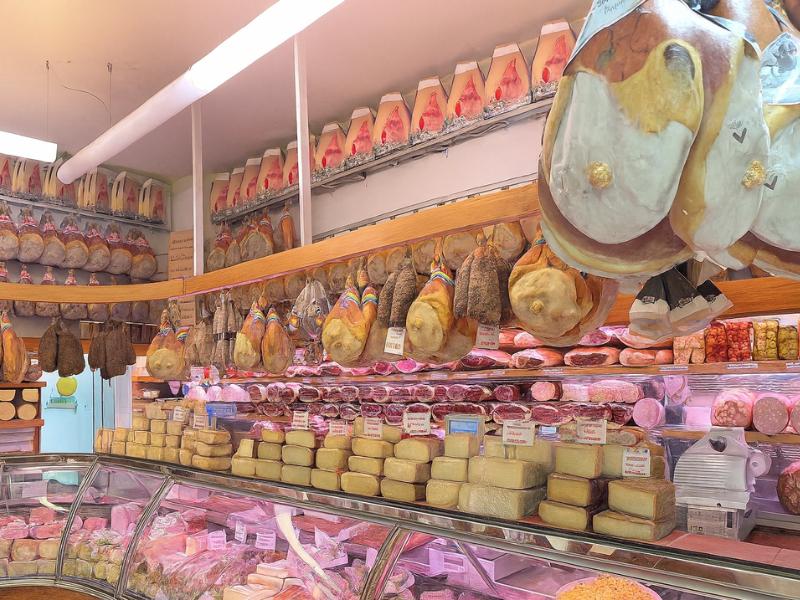
Tamburini (Via Caprarie 1) – Legendary salumeria since 1932. The prepared food counter in back serves quality sandwiches, lasagna, and other take-away items. Expensive but worth it for the quality. Mortadella sandwich here is textbook perfect. Tourist-heavy but locals still shop here. €8-15 for substantial sandwich.
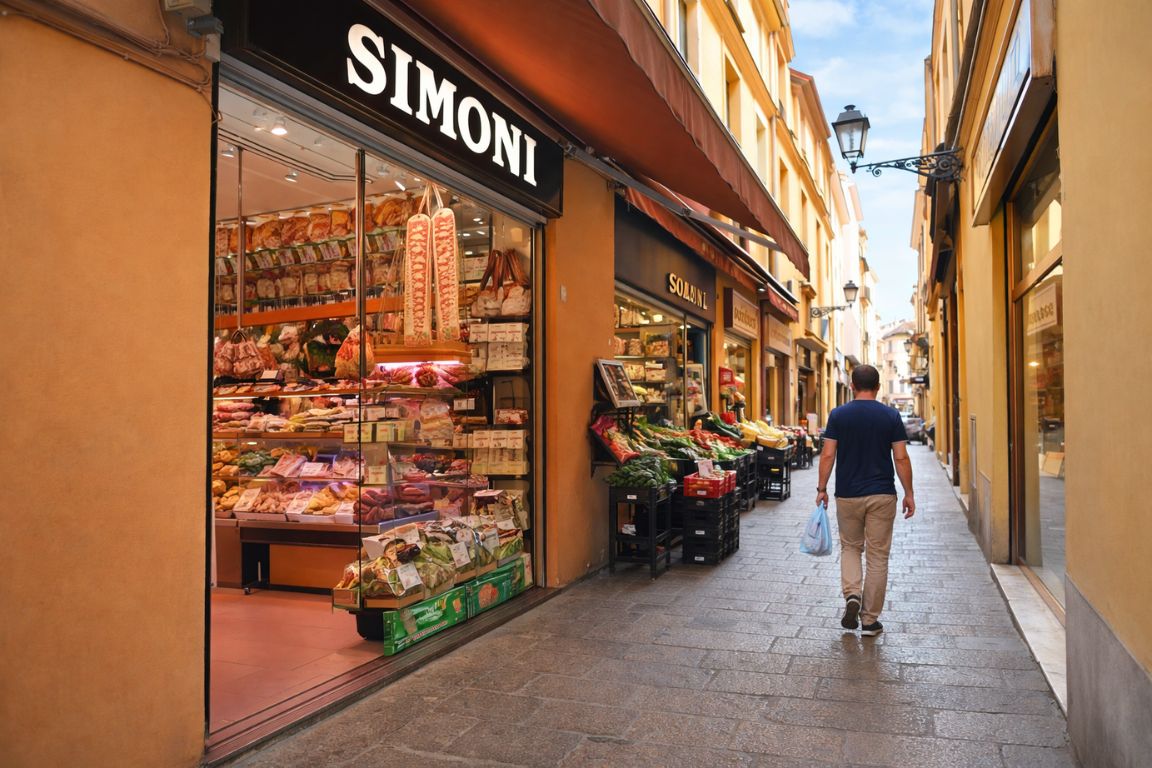
Simoni (Via Drapperie 5/2A) – Another excellent salumeria with fantastic mortadella sandwiches. Less touristy than Tamburini, better value, equally good quality. The staff will argue with you if you try to order mortadella on the wrong bread – they know what works. €6-9 for sandwiches.
La Piadera (Via Pescherie Vecchie 16) – Tiny piadina spot that gets mobbed at lunch. Six-person queue is normal. They grill piadina to order, hot and slightly crispy. Limited menu focuses on getting piadina right rather than offering 20 mediocre options. Cash only. €5-7 per piadina.
Berbamè (Via Clavature 11, inside Mercato di Mezzo) – Modern take on traditional tigelle and crescentine. Higher prices than street stalls but consistent quality and tourist-friendly (English menu, cards accepted). Good introduction to these items if you’re intimidated by more traditional spots. €10-15 per person.
Mercato delle Erbe (Via Ugo Bassi 25) – Local market less touristy than Mercato di Mezzo. Several casual food stalls and counters around the perimeter. More locals, less English, better prices. Quality varies by vendor – watch where Bolognese people are queuing. €8-12 typical.
Sfoglia Rina (Via Castiglione 5/b) – Tiny fresh pasta shop selling cooked tortellini and tortelloni to go. The grandmother making pasta in the window has been doing this for 50+ years. Portions are generous, prices fair, quality excellent. Cash preferred. €8-10 per portion.
If you want to eat where Bolognese actually go, here’s our guide on where locals eat in Bologna – no tourist traps included.
Table: Best Bologna Street Food Locations Comparison
Planning examples in this table are not current quotes or measured guarantees. Confirm prices, opening hours, party size and inclusions directly for your date.
| Location | Type | Vibe | Price Range | Tourist Factor | Quality | Best For | When to Go |
|---|---|---|---|---|---|---|---|
| Mercato di Mezzo | Covered market, multiple vendors | Modern, bustling, tourist-friendly | €€ (€10-15) | Not measured; confirm directly | Good-Very Good | First-timers, variety, comfort | Lunch 12-2pm, aperitivo 6-8pm |
| Quadrilatero lanes | Medieval market quarter, many shops | Authentic, chaotic, local | €-€€ (€6-12) | Not measured; confirm directly | Variable (excellent to mediocre) | Adventurous eaters, authentic experience | Weekday lunch for real local scene |
| Paolo Atti | Historic bakery/pasta shop | Traditional, professional, busy | €€ (€8-12) | Medium | Excellent | Fresh pasta to-go, check preparation and the current menu | Early lunch 11:30am or late 2pm |
| Tamburini | Legendary salumeria | Tourist-heavy but still quality | €€€ (€10-18) | Not measured; confirm directly | Excellent | Mortadella sandwiches, don’t mind paying | Anytime, usually crowded |
| Simoni | Local salumeria | No-nonsense, locals dominate | € (€6-9) | Not measured; confirm directly | Excellent | Best value mortadella, authentic | Weekday lunch with locals |
| La Piadera | Tiny piadina counter | Cramped, queue always, worth it | € (€5-7) | Medium | Excellent | Best piadina in Bologna | Off-peak 11am or 2:30pm |
| Mercato delle Erbe | Local neighborhood market | Genuinely local, minimal English | € (€8-12) | Not measured; confirm directly | Good-Excellent (varies) | Real Bologna, bargain prices | Weekday lunch, closed Sunday |
How Much Should You Budget For Bologna Street Food?
Realistic lunch budget eating street food: €15-25 per person including a drink.
Table: Bologna Street Food Budget Scenarios
Planning examples in this table are not current quotes or measured guarantees. Confirm prices, opening hours, party size and inclusions directly for your date.
| Eating Strategy | What You Get | Total Cost | Best For | Value Rating |
|---|---|---|---|---|
| Quick Bite | 1 piadina or mortadella sandwich + water | €6-10 | Snacking between meals, tight budget | Good – efficient |
| Satisfying Lunch | Tigelle or substantial sandwich + beer/wine + gelato | €15-23 | Standard lunch replacement | Excellent – sweet spot |
| Grazing Day | Morning cornetto + cappuccino, lunch sandwich, afternoon gelato, aperitivo tigelle + spritz | €27-32 | Full day casual eating, no restaurants | Very Good – variety |
| Splurge Lunch | Tamburini premium sandwich + wine + side + gelato | €25-35 | Treating yourself, quality focus | Good – high quality but pricey |
| Budget Minimum | Piadina from local stall + water + skip extras | €5-7 | Absolute minimum, backpacker mode | Fair – functional only |
| Couple Sharing | 2 piadina + 4-6 tigelle shared + bottle wine + 2 gelato | €35-45 total (€17-22 each) | Romantic casual meal | Excellent – variety + sharing |
Budget Reality Check:
Street food is genuinely cheaper than restaurants (where a meal runs €25-40 per person minimum), but not dramatically so. Quality street food still costs money because ingredients are quality and preparation is skilled.
Tourist-trap spots near Piazza Maggiore charge premium prices (€12-15 for basic sandwiches) for mediocre quality. Walking 3-4 blocks into the Quadrilatero gets you better food for less money.
Most vendors accept cards now, but smaller stalls and historic shops still prefer cash. Bring €20-40 cash for a day of street food eating.
What Time Should You Go For Bologna Street Food?
Timing dramatically affects your Bologna street food experience – crowds, selection, and atmosphere vary throughout the day.
Table: Bologna Street Food Timing Comparison
| Time | Crowd Level | Selection Quality | Atmosphere | Pros | Cons | Best For |
|---|---|---|---|---|---|---|
| Early Lunch (11:30am-12:15pm) | Light-Moderate | Fresh, full selection | Calm, easy ordering | No queues, all items available, time to chat with vendors | Less authentic local energy | Tourists, people who hate crowds, want photos without chaos |
| Peak Lunch (12:30-2pm) | Very High | Fresh but depleting | Chaotic, energetic, local | See real Bologna work culture, highest energy, know you’re at popular spots | Long queues, crowded, rushed ordering, competitive for space | Authentic experience seekers, social observers, locals |
| Late Lunch (2-3pm) | Low-Moderate | Variable (some items gone) | Quiet, winding down | No crowds, relaxed, vendors have time to talk | Popular items sold out, some vendors closing early | Off-peak diners, flexible on specific items |
| Aperitivo (6-8pm) | Moderate-High | Tigelle/crescentine focused | Social, wine-drinking | Different atmosphere, wine culture, lighter bites, romantic vibe | Many lunch vendors closed, limited options | Wine lovers, evening socializers, aperitivo culture |
| Off-Hours (3-5pm) | Very Low | Limited (most closed) | Dead | Zero crowds, absolute peace | Most vendors closed, very limited selection | Nobody – bad timing |
| Weekend (Saturday) | Very High | Full selection | Tourist-heavy | Everything open, full experience available | Maximum crowds, prices sometimes higher, less authentic | Tourists whose only option is weekend |
| Sunday | None-Very Low | Minimal (mostly closed) | Ghost town | See quiet Bologna, few tourists | Most vendors completely closed, very limited options | Nobody – plan differently |
Critical Timing Notes:
Avoid Sunday and Wednesday Afternoons: Many vendors closed Sunday entirely. Wednesday afternoon is traditional closing time for various shops (Italian riposo). Check specific locations before planning Wednesday visits.
August Vacation: Expect closures. Many family-run operations shut down 2-3 weeks in August for vacation. Bologna gets very quiet mid-August as locals flee the heat.
Best Strategy: Go at 11:30am for calm selection or 12:45pm for authentic chaos. Avoid 3-5pm completely.
Trying to decide how to tackle Bologna’s food scene? Our guide on Bologna Italy food tours vs eating on your own breaks down the pros and cons of each.
How Does Bologna Street Food Compare To Sit-Down Restaurants?
Street food and restaurants serve different purposes – you need both during a Bologna visit.
Street Food is Better For:
- Quick lunch without time for full meal
- Casual tasting of many small items
- Budget-friendly eating (€15-25 vs €30-50 per person)
- Seeing vendors in action (watching piadina grilled, mortadella sliced)
- Eating on the go between sightseeing
- Solo travelers not wanting formal dining alone
Restaurants are Better For:
- Leisurely multi-course meals
- Trying tagliatelle al ragù properly prepared (street food doesn’t do this well)
- Sitting comfortably for 1-2 hours
- Full wine pairings with progression
- Romantic dinners or special occasions
- Dishes requiring complex preparation (brasato, tortelloni with complex sauces)
The best Bologna food strategy: street food lunches, restaurant dinners. This matches local patterns and lets you experience both food cultures.
We’ve got a full breakdown of the best restaurants in Bologna Italy food tours include – helpful whether you’re booking a tour or planning solo.
What Are Common Bologna Street Food Tourist Mistakes?
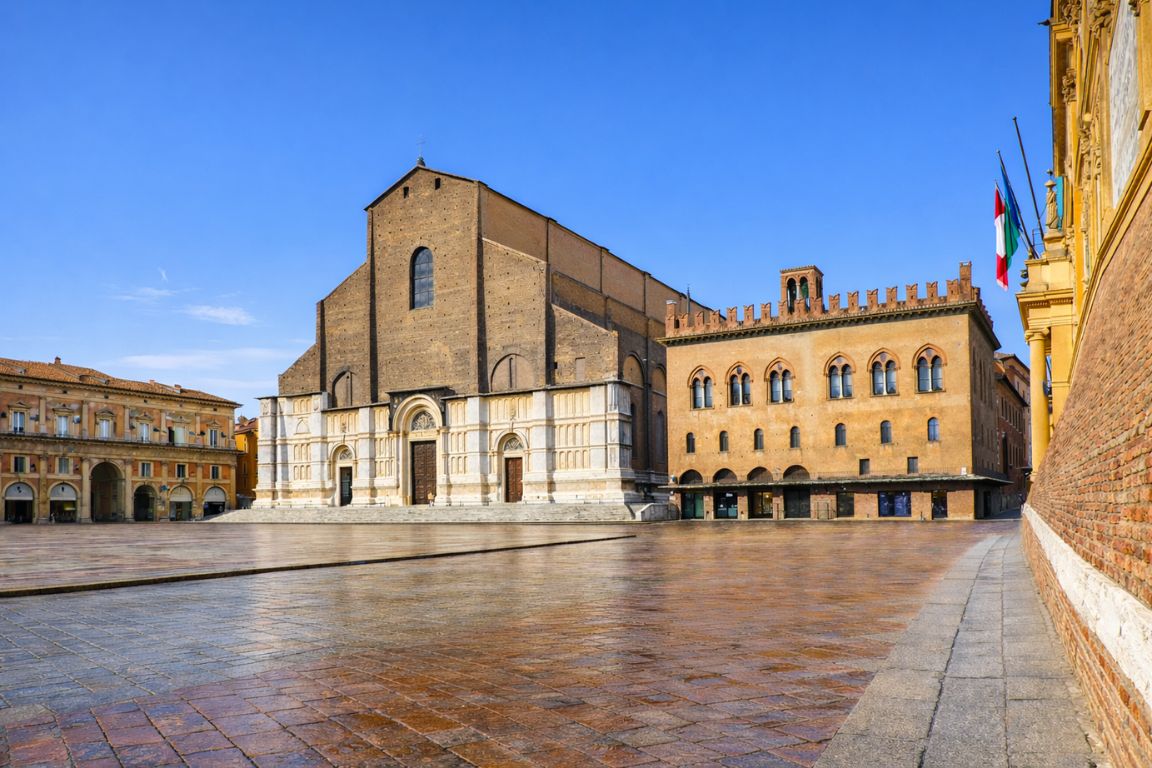
Eating at the first place you see in Piazza Maggiore. Compare current menus around the square and in nearby streets. Walk 2-3 blocks into the Quadrilatero for dramatically better options.
Ordering piadina with 8 ingredients. Traditional piadina has 2-3 components maximum. That menu offering 12-ingredient “gourmet” piadina is tourist-focused and results in soggy mess. Keep it simple.
Eating crescentine or tigelle cold. These must be consumed hot. If they’re sitting in a display case, they’re not worth eating. Order them made fresh or skip them.
Going to Mercato di Mezzo exclusively. It’s convenient and quality is good, but prices are higher and atmosphere more touristy than alternatives 100 meters away. Use it as one option, not your only option.
Not following local queues. See Italians lining up at a specific counter while others stand empty? There’s a reason. Join that queue. Locals know which vendors are worth waiting for.
Expecting street food to be cheaper than it is. €8-12 for lunch is normal. Quality ingredients and skilled preparation cost money. Don’t expect Bangkok or Mexico City street food prices.
Skipping the bakeries. Tourists focus on meats and cheeses, missing the incredible bread and pastry culture. Stop at Paolo Atti or Forno Calzolari for focaccia, pizza, or regional pastries.
What Should You Know About Street Food Etiquette In Bologna?
Ordering: Approach the counter, wait your turn, order clearly. Pointing at items is acceptable if Italian is limited. Don’t hover indecisively during peak lunch rush – step aside to read the menu, decide, then order.
Paying: Most places you pay after ordering but before receiving food. Some casual spots operate on honor system – grab your food, then pay at register on your way out.
Eating: Street food means standing to eat (at high counters if space exists, on the street, in the market), not sitting for service. Don’t occupy scarce seating for 45 minutes if people are standing waiting.
Tipping: Not expected for counter service. Round up (€8.50 becomes €9) if you want, but not obligatory.
Trash: Dispose of paper wrappings and containers in trash bins. Don’t leave them on counters or worse, drop them on medieval streets.
English: Many vendors speak English now, especially tourist-facing spots. But attempting basic Italian pleasantries (“buongiorno,” “per favore,” “grazie”) goes over well.
Photography: Taking photos of food is completely normal. But ask before photographing vendors or their work process up close.
FAQs
Can I make a full meal from Bologna street food? Absolutely. Most locals do exactly this for lunch – piadina or tigelle (carbs, protein), maybe a side of grilled vegetables if the vendor offers them, gelato after. You’ll be satisfied for 4-5 hours. Budget €15-25 per person.
Is Bologna street food safe to eat? Yes. Italian food safety standards are strict. The bigger risk isn’t food poisoning but mediocre quality at tourist-trap spots. Stick to busy vendors with high turnover, places locals frequent, and established shops with good reputations.
What if I don’t speak Italian? Not a problem at most spots now. Pointing at items works. Many vendors have basic English, especially in Mercato di Mezzo and popular Quadrilatero locations. Simpler, more local spots require more gesture-based communication but vendors are patient.
Can vegetarians find Bologna street food options? Yes, though this is meat-centric food culture. Piadina can be made with cheese and vegetables only (squacquerone and arugula is traditional vegetarian option). Some stalls offer grilled vegetable plates. Focaccia and pizza are readily available. Gelato obviously works. Vegans struggle more – egg pasta, dairy cheese, and meat dominate.
Should I tip street food vendors in Bologna? No. Tipping isn’t expected for counter service. You can round up the bill if service was exceptional, but it’s not obligatory like in restaurants where 10% is becoming standard.
What’s the best single item to try if I only have time for one? Mortadella sandwich from Simoni or Tamburini. It’s Bologna’s most iconic food, dead simple so quality is obvious, affordable (€6-10), and reveals whether you’re at a good spot or tourist trap based on how they slice and serve it.
When do street food vendors close in Bologna? Most operate lunch hours (11am-3pm) daily except Sunday. Some also open for aperitivo (6-8pm). Family-run operations often close Wednesday afternoons. August brings 2-3 week closures. Always check specific vendor hours.
How does Bologna street food compare to Rome or Florence? Bologna has less street food tourism infrastructure than Rome or Florence (fewer food trucks, less American-style “street food festivals”), but what exists is more authentically tied to local daily life. Street food serves residents and visitors in all three cities.
Glossary
Piadina: Thin grilled flatbread from Romagna region, folded in half with 2-3 simple fillings, eaten hot. Traditional fast food adopted by Bologna.
Tigelle: Small round breads cooked in traditional terracotta molds, split open and filled with cured meats and soft cheeses. Named for the molds themselves.
Crescentine: Diamond-shaped fried dough, pillowy when fresh, served with salumi and cheese. Also called gnocco fritto.
Squacquerone: Soft, creamy spreadable cheese from Romagna, traditional piadina filling. Mild, slightly tangy, melts beautifully when the piadina is hot.
Quadrilatero: Medieval market district in Bologna’s historic center, bounded by four streets, containing highest concentration of food shops and casual eateries.
Salumeria: Italian delicatessen specializing in cured meats (salumi), cheeses, and prepared foods. Bologna’s historic salumerie are institutions.
Al Taglio: “By the cut” – pizza sold by weight, cut to order from rectangular baking trays rather than round pizzas.
Riposo: Traditional Italian afternoon closing time, typically Wednesday afternoon in Bologna when many shops shut for half-day rest.
Sfoglia: Fresh pasta dough rolled paper-thin. Also used to describe shops making and selling fresh pasta.
Aperitivo: Italian pre-dinner drink and snack culture, typically 6-8pm, featuring light bites (often tigelle, crescentine) with wine or cocktails.