Bologna Food Tours Vs Eating On Your Own: Which Is Worth It?
Bologna food tours cost €75–120 for insider access and context; eating independently costs €15–25 but takes research. Smart move: tour day one, eat like a local after.
Use the comparison at the end to decide what the extra cost buys for your own party. Choose Your Food Experience.
TL;DR
Independent meals buy freedom; a guided walk buys explanation and an arranged tasting route. Compare the actual extra cost before deciding. A tour is optional.
What Actually Differs Between Bologna Food Tours And Independent Eating?
Check Bologna Food-Walk Availability
Which Bologna departure could become the anchor for your food day? The three-hour route combines local tastings with a guide to connect the stops.
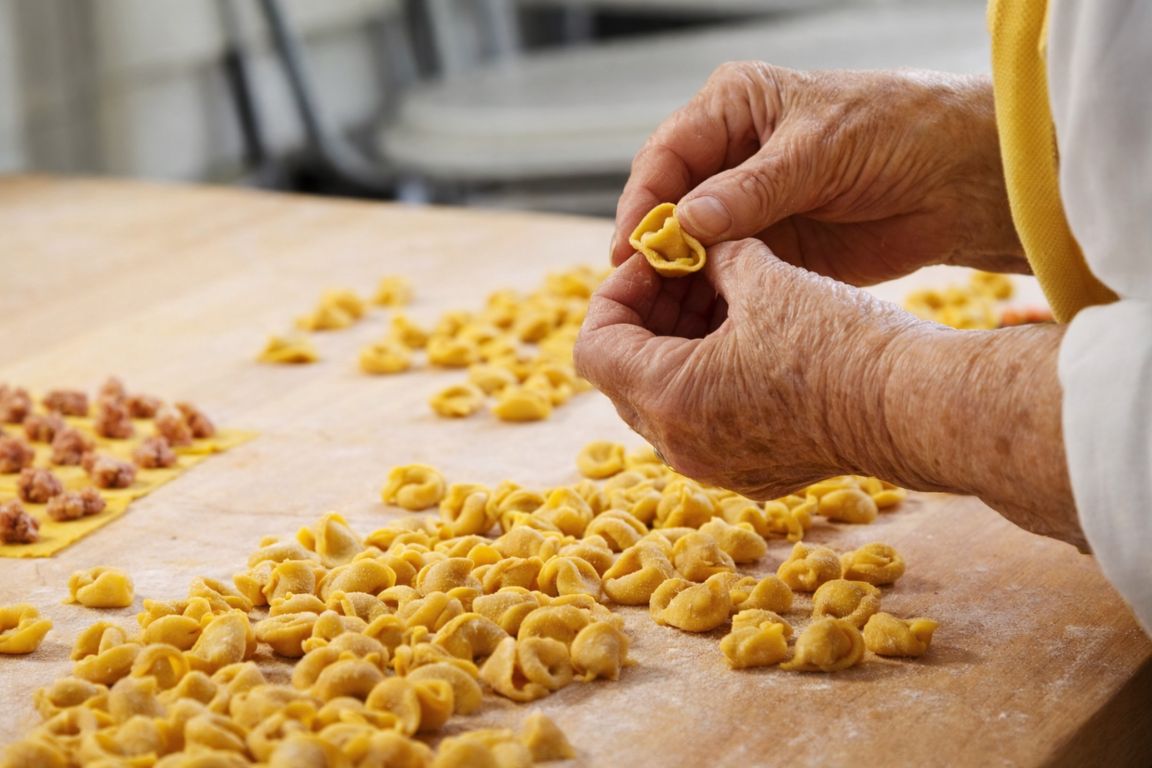
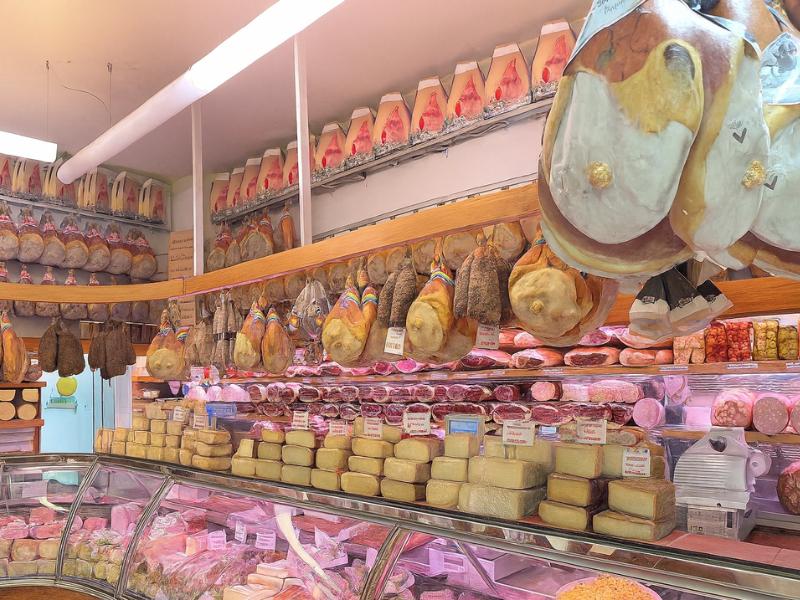
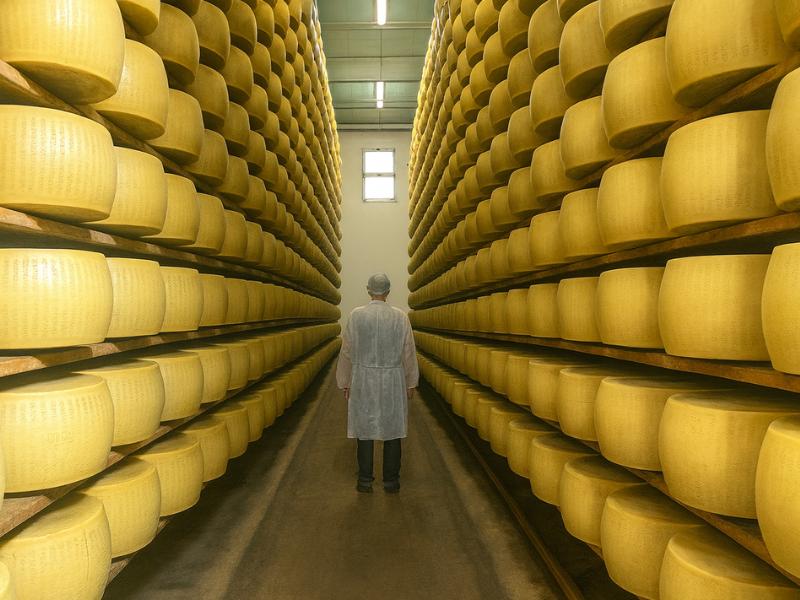
Food tours compress learning into 3-4 hours. You taste mortadella at a salumeria that’s been family-run since 1932, watch sfogline roll tortellini dough paper-thin, sample three ages of Parmigiano side-by-side while the vendor explains how aging transforms the cheese. The guide provides context: why Bologna is called “La Grassa,” how tortellini in brodo differs from tourist-trap tortellini in panna, which vendors locals trust versus which ones exploit tourists.
Independent eating requires research beforehand (reading reviews, mapping restaurants, understanding local dining customs) and trial and error (finding that Via San Felice trattoria mentioned in one blog post from 2019, hoping it’s still good, deciphering the handwritten Italian menu, ordering something that might or might not be what you think it is). When it works, you feel accomplished. When it doesn’t, you’ve wasted €25 and your only lunch hour on mediocre tourist-trap pasta.
The access difference matters more than people realize. Tour guides walk you into the back rooms at Tamburini that regular customers never see. They get the market vendor to explain his sourcing and aging process. They know which days the small bakery makes fresh focaccia versus day-old. You can’t replicate this independently – these relationships took years to build.
Language creates an obvious divide. Tours operate in English (or your chosen language). Independent eating in authentic local trattorias means navigating Italian menus, Italian servers who speak minimal English, and cultural customs you’re expected to know (don’t order cappuccino after meals, don’t expect to split bills multiple ways, don’t linger for hours at lunch when locals are waiting).
We’ve got a full breakdown of where locals eat in Bologna if you’re done with the obvious choices and want something authentic.
Table: Food Tours Vs Independent Eating Complete Comparison
Planning examples in this table are not current quotes or measured guarantees. Confirm prices, opening hours, party size and inclusions directly for your date.
| Factor | Bologna Food Tours | Independent Eating | Winner Depends On |
|---|---|---|---|
| Cost | €75-120 per person (3-4 hours) | €15-25 per meal (full meal) | Length of stay – tours expensive for 1 meal, reasonable for compressed learning |
| Time Efficiency | 6-8 stops in 3-4 hours, zero planning needed | 1-2 hours per meal + research time finding places | How much vacation time you have |
| Insider Access | Demonstrations, tasting rooms, vendor backstories, market relationships | Public-facing shops only, transactional interactions | Whether you value “behind scenes” experiences |
| Food Education | Expert guide explaining history, techniques, quality indicators | Self-taught through observation and research | How much you want to learn vs just eat |
| Flexibility | Fixed route, timing, stops – no changes | Complete control of when, where, what, how long | How important spontaneity is to you |
| Authenticity | Group tour experience (10-15 people) with curated “authentic” stops | Genuinely independent discovery, dining with locals only | What “authentic” means to you personally |
| Language Barrier | Eliminated – English tours, guide translates | Full barrier at real local spots | Italian language skills |
| What You Can Check | Vetted vendors, quality-controlled experience | Hit or miss – can get tourist traps or gems | Risk tolerance and research skills |
| Quantity | Tasting portions (3-4 bites each × 8 stops = full meal total) | Full restaurant portions (proper primo, secondo if wanted) | Appetite and eating style preference |
| Social Aspect | Meet other food-interested travelers, group experience | Solo/couple dining or meeting locals naturally at bar | Whether you want social tourism or solitude |
| Discovery Feeling | Guided discovery, less personal achievement | True discovery, “I found this myself” satisfaction | What motivates your travel style |
| Return Visits | Limited – same tour route, expensive to repeat | Unlimited – return to favorites as often as wanted | Length of stay and favorite spot habits |
How Much Does Each Actually Cost In Bologna?
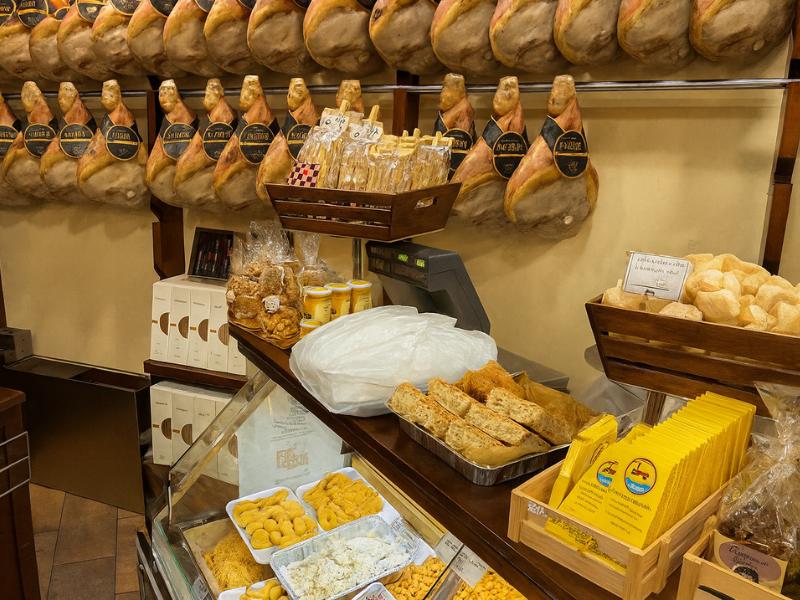
Food Tour Realistic Costs:
- Standard tour: €75-95 per person (3-4 hours, 6-8 tastings, most vendors)
- Premium small group: €100-120 per person (8-10 people max, extended time, additional tastings)
- Private tour: €250-400 total (2-4 people, completely customized, exclusive)
- Specialty tours (pasta-making with lunch, market plus cooking): €130-180 per person
All tastings typically included. Tip expected 10-15% (€8-15 for standard tour). Total investment: €85-135 per person for quality standard tour.
We put together a full breakdown of the best Bologna Italy food tours to help you figure out which one’s worth your time.
Independent Eating Realistic Costs:
Single Trattoria Meal:
- Primo: €8-14
- Secondo with contorno: €12-18 (optional, can skip)
- Half liter house wine: €8-12
- Water: €2-3
- Coperto: €2-3 per person
- Coffee: €1.50
- Total: €15-25 for primo + wine + essentials, €25-35 for full multi-course meal
Full Day Independent Eating:
- Breakfast (cappuccino + cornetto): €3-5
- Lunch at trattoria: €15-25
- Afternoon gelato: €4-5
- Dinner at restaurant: €25-40
- Total: €47-75 per person daily
Multi-Day Savings:
- 3 days independent: €141-225 per person (9 meals)
- vs. 3 food tours: €225-360 per person
- Difference: €84-135 savings going independent
Table: Cost Breakdown Bologna Food Tours Vs Independent Over Different Stay Lengths
Planning examples in this table are not current quotes or measured guarantees. Confirm prices, opening hours, party size and inclusions directly for your date.
| Stay Length | Food Tours (All Meals) | Independent Eating (All Meals) | Hybrid (1 Tour + Rest Independent) | Best Value | Best Experience |
|---|---|---|---|---|---|
| 1 Day | €100 (1 tour lunch replacement) + €25-35 dinner = €125-135 | €15-25 lunch + €25-40 dinner = €40-65 | €100 tour lunch + €25-35 dinner = €125-135 | Independent cheaper | Tour better for 1 day (learning) |
| 2 Days | €200-240 (2 tours) + €50-70 dinners = €250-310 | €80-130 (4 meals total) | €100 tour + €60-100 other meals = €160-200 | Hybrid best value | Hybrid optimal |
| 3 Days | €300-360 (3 tours) + €75-105 dinners = €375-465 | €141-225 (9 meals) | €100 tour + €100-175 other meals = €200-275 | Independent significantly cheaper | Hybrid still optimal |
| 4-5 Days | €500-650+ (all tours) | €188-375 (12-15 meals) | €100-200 (1-2 tours) + €150-275 meals = €250-475 | Independent dramatically cheaper | Independent better (already educated) |
| Week+ | Prohibitively expensive (€700-1000+) | €329-525 (21 meals) | €100-200 tours + €275-425 meals = €375-625 | Independent obviously cheaper | Independent (tours become redundant) |
The cost equation shifts based on length of stay. One-day visitors get better value from a single food tour (compressed learning and eating in limited time) versus spending 2-3 hours finding and eating one independent meal. Three-day visitors benefit from hybrid (tour day one, apply knowledge days two-three). Week-long visitors gain minimal marginal benefit from multiple tours – after the first tour, you’ve learned the lessons and gained the recommendations.
What Do Bologna Food Tours Provide That You Can’T Get Independently?
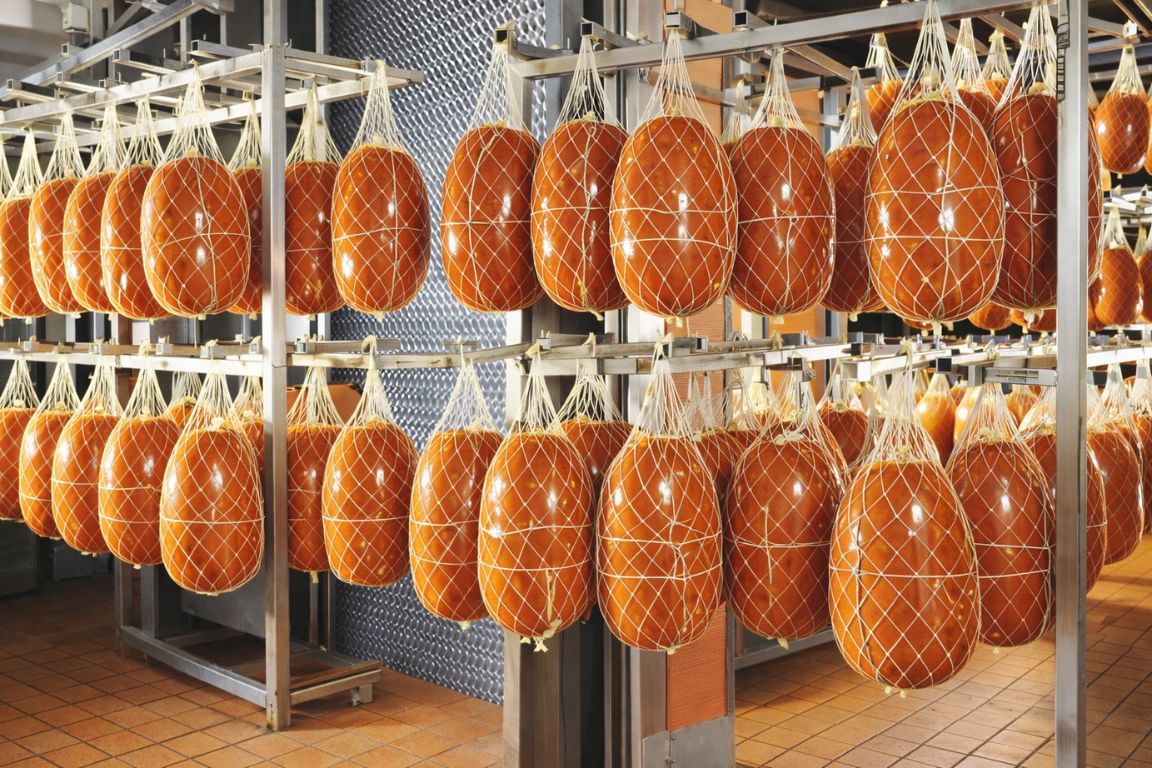
Vendor Relationships and Backstage Access: Tour guides walk you into the pasta laboratory where you watch sfogline rolling dough, explaining the technique as it happens. They take you to the tasting room behind the salumeria where the owner shows you mortadella production photos from 1932. Regular customers don’t get this – they buy and leave. You can’t sweet-talk your way into these demonstrations as a random tourist. The access comes from years of the guide bringing customers, building trust, and delivering business.
Expert Quality Control and Translation: The guide explains that this mortadella contains pistachios (authentic) while that mortadella contains garlic (tourist-trap shortcut). They point out the difference between fresh-made pasta (slightly rough texture that holds sauce) versus industrial pasta (too smooth, sauce slides off). They translate the vendor’s explanation about aging Parmigiano from 12 to 36 months. You can research this online beforehand, but processing written information differs from experiencing it with expert narration in real-time.
Concentrated Efficiency: Six to eight quality stops in 3-4 hours. Independently, visiting six locations requires: researching addresses, mapping routes, walking between locations (10-15 minutes each), navigating each shop (finding products, communicating needs, paying), likely 6-8 total hours over two days once you factor in wrong turns and closed shops (Wednesday afternoon riposo, Sunday closures, August vacations). Tours compress this into a digestible experience.
Cultural Context and Stories: Why Bologna is called “La Grassa” (the fat one), “La Dotta” (the learned one), and “La Rossa” (the red one). How the 38 kilometers of porticos originated from medieval university housing. Why tortellini are shaped to resemble Venus’s navel according to legend. The Communist party’s influence on osteria culture. These stories don’t appear on restaurant menus or product labels – they come from guides who grew up here or studied the culture deeply.
Social Learning Experience: Meeting other food-interested travelers, sharing reactions to new tastes, group energy when everyone tries mortadella for the first time. Some people value this communal discovery. Independent eating provides solitary or couple experiences but not group energy.
Table: What Food Tours Provide Vs What You Get Independently
| Benefit | Food Tours | Independent Eating | Why It Matters |
|---|---|---|---|
| Demonstrations | Watch pasta-making, cheese-cutting, mortadella-slicing with explanations | Observe from outside or not at all | Learning production techniques vs just consuming |
| Vendor Stories | Family histories, sourcing details, production secrets from vendors directly | Transactional interactions only | Cultural depth vs efficiency |
| What You Can Checks | Pre-vetted locations, guide’s reputation on line | Trial and error, possible tourist traps | Risk vs confidence in every bite |
| Timing Logistics | Everything coordinated, no planning needed | Research, mapping, timing, possible closures | Mental energy and time investment |
| Hidden Locations | Guide knows non-obvious spots, hard-to-find shops | Limited to what you can research and find | Discovering gems vs staying obvious |
| Language Bridge | Guide translates everything, handles all communication | You’re on your own with Italian-only menus and staff | Stress level and comprehension |
| Education | Expert explanations of history, technique, culture | Self-research before and Wikipedia after | Depth of understanding and retention |
| Efficiency | 6-8 stops in 3-4 hours | 1-2 locations per 2-3 hour effort | Time value when vacation is limited |
| Group Energy | Shared discovery, meeting food enthusiasts | Solo exploration or couple intimacy | Social vs solitary preference |
What Does Independent Eating Provide That Tours Can’T?
Genuine Flexibility and Spontaneity: You wake up not hungry – skip breakfast. You pass a bakery with incredible focaccia smell – walk in and buy some. You loved yesterday’s trattoria – return for lunch again today. You’re still full from lunch at 8pm – have gelato for dinner. Tours operate on fixed schedules with fixed stops. Life doesn’t.
Authentic Local Integration: Sitting at Trattoria da Me surrounded entirely by Bolognese workers on lunch break, being the only non-Italian in the room, experiencing genuine local dining culture without tour group buffer. When you dine independently at real local spots, you’re observing authentic culture. Tours, even good ones, create a semi-authentic experience – the vendors know they’re performing for tourists even if the food and information are legitimate.
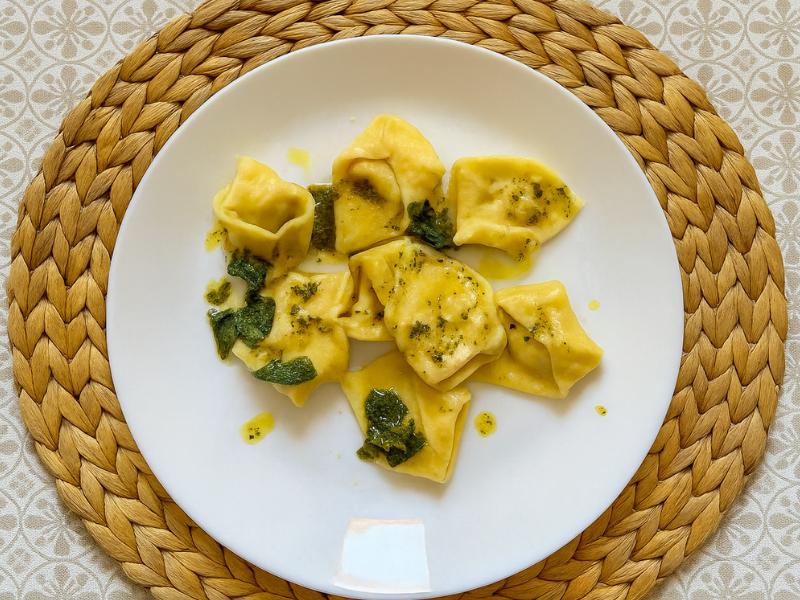
Personal Discovery Achievement: Finding Via San Felice’s hidden trattorias yourself, deciphering the handwritten menu, ordering successfully, tasting spectacular tortellini, thinking “I discovered this.” Tours hand you discoveries pre-packaged. Independent exploration creates memories of problem-solving, achievement, and genuine adventure.
Budget Reality for Extended Stays: Spending €400-600 on food tours for a week-long Bologna visit is excessive when quality trattoria meals cost €15-25. After the first tour educates you, subsequent tours provide diminishing returns. Independent eating enables sustainable daily meal costs.
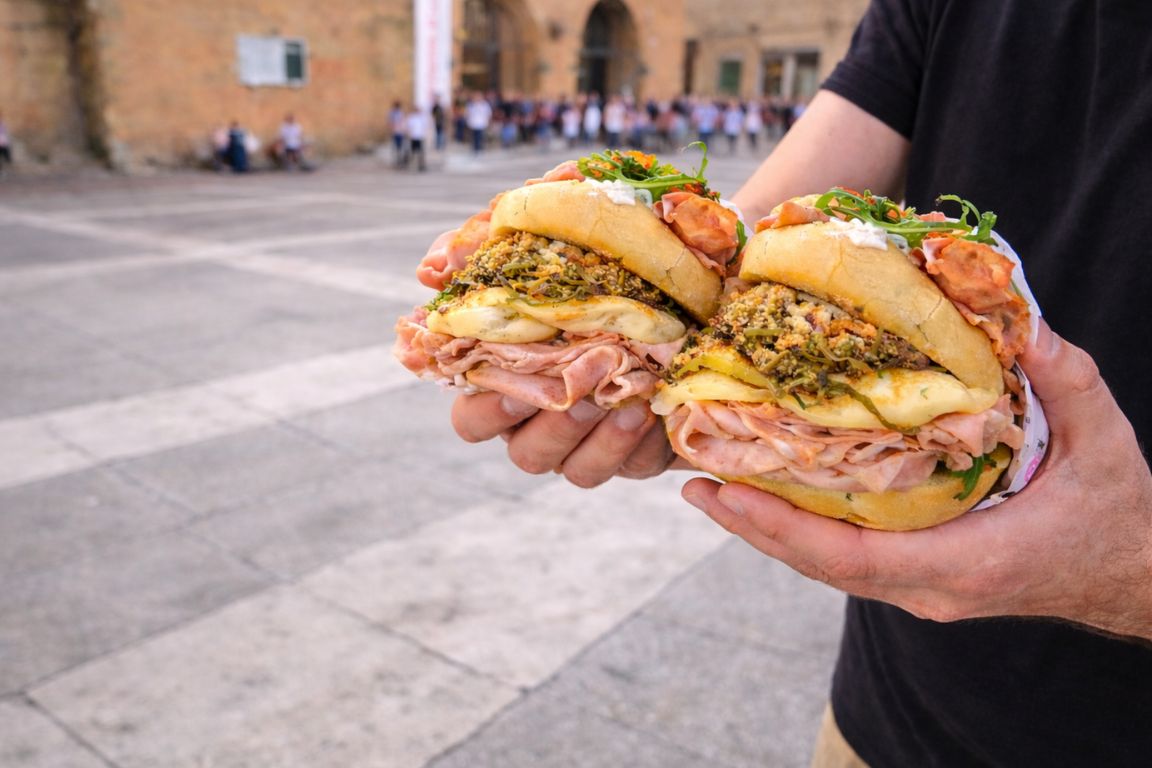
Repeat Visit Freedom: You found your favorite mortadella sandwich at Simoni – return three times this week if you want. Tours take you once then move on. Real affection for specific dishes and vendors develops through repeated visits, not single tastings.
Unscripted Serendipity: The old woman at the market who insists on giving you a free sample of her cheese while explaining her farm in broken English. The trattoria owner who brings you off-menu tortellini because he made extra today. These moments happen when you’re independently navigating, not when you’re in a guide-led group on a schedule.
We cover all the details about what to expect on a Bologna Italy food tour if you want the complete picture before committing.
When Should You Take Bologna Food Tours Vs Eat Independently?
Take Food Tours If:
- First-time Bologna visitor (need orientation and education)
- Short stay (1-3 days, limited time to figure things out)
- Don’t speak Italian (language barrier creates stress and limits options)
- Value efficiency over budget (willing to pay premium for compressed learning)
- Want insider access (demonstrations and backstage experiences matter to you)
- Food enthusiast seeking deep knowledge (technique, history, culture interest beyond just eating)
- Traveling with non-adventurous eaters (need curated safe quality-controlled experience)
- Prefer a planned tasting route with published inclusions and restrictions
- Solo traveler wanting social experience (meeting other food-interested people)
Eat Independently If:
- Repeat Bologna visitor (already understand basics, want to explore deeper)
- Extended stay (4+ days where tour costs become excessive)
- Speak Italian (language barrier eliminated or minimal)
- Budget-conscious (€15-25 meals vs €100 tours)
- Value spontaneity and flexibility (fixed tour schedules feel restrictive)
- Seeking authentic local immersion (want to dine with Bolognese people, not tour groups)
- Adventurous personality (excited by discovery, tolerant of occasional mediocre meals)
- Enjoy research and planning (reading reviews, mapping routes, preparing)
- Building Italy skills (using Bologna as learning ground for future Italian travels)
Do Hybrid Approach If:
- Medium stay (3-5 days)
- Moderate budget (can afford one tour but not multiple)
- Want both education and independence
- First-time but long enough to apply learning
- Traveling with mixed group (some want tour, some want flexibility)
Can You Combine Bologna Food Tours And Independent Eating?
This is the actually optimal strategy for most 3-5 day Bologna visits.
Day 1: Food Tour – Take a morning 3-hour walking food tour covering markets, pasta-making, salumerie, and traditional tastings. Cost: €100. Benefit: Immediate orientation to Bologna’s food geography, vendor education, quality baseline established, insider recommendations for remaining days.
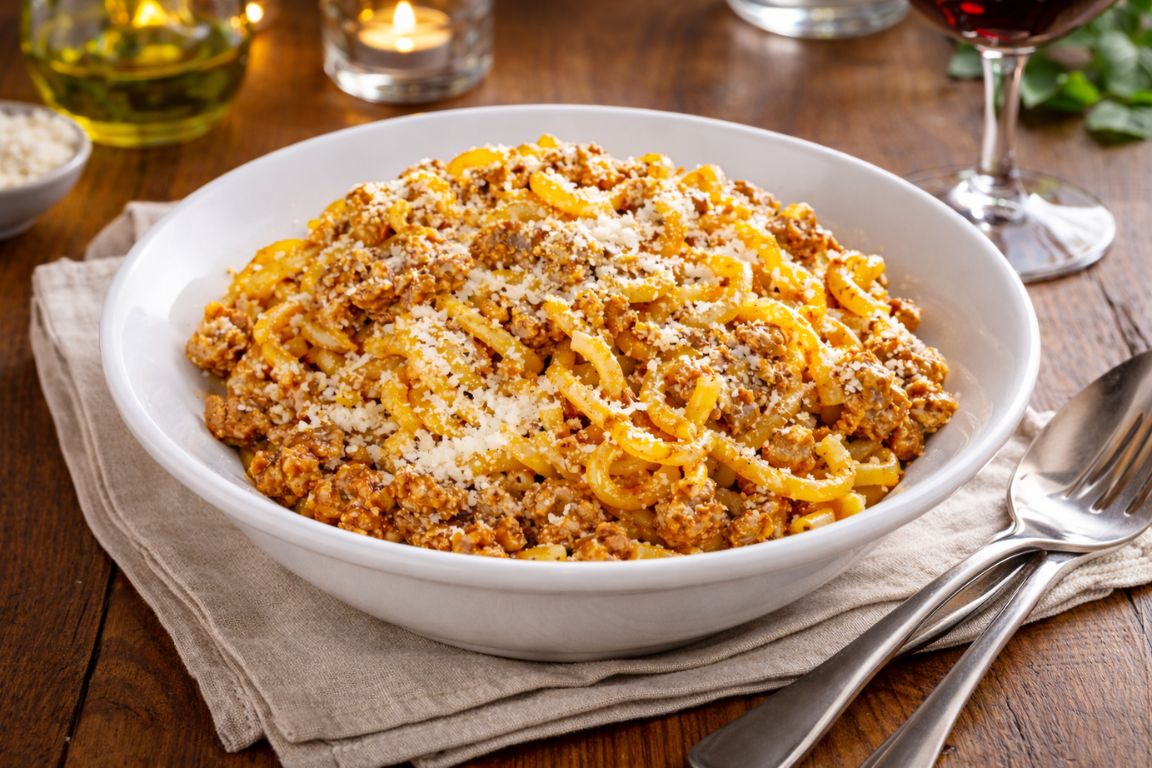
Day 2: Independent Lunch + Tour Recommendations – Use the guide’s restaurant recommendations from yesterday. Try that Via San Felice trattoria they mentioned. Order the gramigna alla salsiccia they suggested. You now understand what good ragù tastes like (from yesterday’s tour), so you can evaluate whether this restaurant delivers quality. Cost: €20-25. Benefit: Applying yesterday’s education, building confidence in independent navigation.
Day 3: Independent Market + Cooking – Visit Mercato delle Erbe (less touristy than yesterday’s tour market). Buy fresh tortellini from the vendor the guide pointed out. Pick up salumi for a picnic. Eat lunch assembled from market purchases. Cost: €15-20. Benefit: Direct vendor interaction, cooking/assembling own meal, local shopping experience.
Day 4: Independent Dinner – Return to your favorite spot from Day 2, or try somewhere new with confidence. Order what looked good on neighboring tables. Cost: €25-35 for full meal. Benefit: Repeat visit building relationships, confidence in ordering.
Total Cost Hybrid: €100 tour + €60-80 independent meals = €160-180 vs All Tours: €300-400 for three tours vs All Independent: €80-130 but with trial-and-error mistakes and missed insider knowledge
The hybrid captures most benefits (education, efficiency, insider access, local immersion, budget consciousness) while minimizing drawbacks (excessive cost, total independence uncertainty, missing cultural context).
How Do You Choose A Quality Bologna Food Tour?
Ask About Group Size: Maximum 12-15 people is manageable. Over 16 becomes crowded. Small shops can’t accommodate 20 people. Specifically request: “What’s the maximum group size for my date?”
Check Guide Qualifications: Is the guide Bolognese or long-term Bologna resident? Do they have culinary training or family food traditions? Generic guides following a script deliver generic information. Native guides with personal food history provide depth.
Read Recent Reviews for Specific Details: Reviews mentioning specific vendors by name (Paolo Atti, Simoni, Tamburini) indicate the tour actually visits quality locations. Generic reviews (“Great food! Nice guide!”) reveal nothing. Look for reviews from past 6 months (recent quality indicator).
Understand What’s Included: All tastings? Wine? Water? Hidden costs create disappointment. Quality Bologna food tours include all tastings upfront.
Confirm Focus: Markets and demonstrations? Sit-down restaurant meal? Walking street food? Different tours serve different purposes. Choose based on your interests.
Price Reality Check: €50-60 likely cuts corners. €75-95 represents quality standard. €100-120 indicates small groups or premium additions. Over €130 should include cooking class or extended time.
Ready to plan your visit to Bologna Italy food tours? Use this seasonal guide to choose your timing, then dive into logistics, bookings, and day-by-day strategies.
The product identifies a local guide; confirm maximum group size with the operator. Apply the quality questions above first, then use the calendar to inspect available departures. Stay independent if the listing does not answer the criteria that matter to you.
FAQs
Is a Bologna food tour worth it if I’m only here for 2 days? Yes – this is exactly when tours provide maximum value. You don’t have time for trial-and-error. The €100 tour compresses what would take you 1.5 days to figure out independently into 3.5 hours, leaving you the rest of day one and all of day two for independent exploration using the tour’s recommendations and education.
Can I take a food tour if I don’t drink alcohol? Absolutely. Tours accommodate non-drinkers easily – water replaces wine tastings, or they’ll provide juice/soda alternatives. Mention when booking. The food is the focus, alcohol is enhancement not requirement.
Should I take a food tour if I’ve already been to Bologna before? Depends what you did last time. First visit was all restaurants? Take a private market food tour this time. Previous visit was surface-level? Take a pasta cooking class with Giovanna C. Repeat visits benefit from specialized tours covering what you missed, not broad introduction tours.
How much should I tip my Bologna food tour guide? 10-15% is customary. For a €100 tour, €10-15 tip in cash for good service. Excellent service warrants 15-20%. Poor service doesn’t deserve tips. European custom is less tip-obligatory than American, but good guides depend on tips for meaningful income.
Can I do a food tour and still eat dinner that day? Yes, but timing matters. Morning tours (9:30am-1pm) replace breakfast and lunch, leaving you hungry again by 7-8pm for dinner. Afternoon tours (2-5pm) replace lunch and provide enough food that you might only want light dinner or gelato later. Don’t book back-to-back full restaurant meal then tour or vice versa.
Are private Bologna food tours worth the premium cost? For couples or small groups (2-4 people), yes if budget allows. Private tour prices depend on the dated party quote; discuss available flexibility (customized timing, pace, focus areas), intimate experience (no strangers, family activity), and personalized attention (guide adapting explanations to your interests). For solo travelers, private tours rarely justify 3-4x cost premium unless you have very specific requirements.
Can I take a food tour if I have dietary restrictions? Vegetarians generally yes – mention when booking, tours can substitute meat tastings with vegetable/cheese options. Vegans struggle – Bologna cuisine centers on egg pasta, Parmigiano, and meat, making accommodations difficult though some operators try. Gluten-free increasingly possible with advance notice. Serious allergies require careful discussion with operator about cross-contamination risks.
Will a food tour teach me to cook Bolognese dishes? Observation only on standard tours – you watch pasta-making and learn techniques but don’t personally make pasta. For hands-on cooking, book a 3-hour pasta cooking class instead of a standard walking tour. Standard walking tours educate about food but aren’t cooking classes.
Glossary
Food Tour: Guided group experience (8-15 people typically) visiting 6-8 food vendors, markets, and shops over 3-4 hours with expert commentary, costing €75-120 per person including all tastings.
Walking Food Tour: Most common Bologna food tour format – walking between locations in historic center, standing to taste at each stop, minimal sitting, covering 1.5-2km total distance.
Market Tour: Food tour emphasizing markets (Mercato di Mezzo, Mercato delle Erbe, morning outdoor markets) with vendor interactions and fresh product explanations.
Pasta-Making Tour: Specialized tour including hands-on tortellini or tagliatelle making instruction, typically 3-4 hours including demonstration, practice, and eating what you made, costing €130-180.
Private Tour: Exclusive guided experience for your group only (2-8 people), customized timing and route, costing €250-400+ total for the group.
Hybrid Approach: Strategy combining one food tour (day one for education and orientation) with independent eating remaining days (applying tour knowledge), optimizing both learning and budget.
Vendor Relationships: Established connections between tour guides and food vendors enabling backstage access, demonstrations, and insider explanations not available to regular customers.
Tasting Portions: Small serving sizes (3-4 bites per stop) designed to sample variety across many stops, totaling full meal quantity cumulatively but different from restaurant full portions.
Tourist Trap: Restaurant or food shop specifically targeting tourists with inflated prices, mediocre quality, multilingual menus, and photo displays, avoided by locals.
Local Trattoria: Family-run casual restaurant serving traditional Bolognese cuisine to neighborhood regulars, minimal English, handwritten daily menus, prices €8-14 primi.