What To Expect On A Bologna Food Tour
Bologna food tours last 3–4 hours with 6–8 tastings that replace a meal. Walk the Quadrilatero, eat tortellini, ragù, Parmigiano, here’s what to expect.
Match the format to your expectations: tasting, cooking, private guidance and factory visits are different bookings. Choose Your Food Experience.
TL;DR
The verified city walk lasts three hours and includes several local tastings. A cooking class is hands-on; the private walk lasts about 3.5 hours. Confirm the selected product’s actual menu, meeting point and restrictions.
What Actually Happens On A Morning Food Tour Through Bologna’S Mercato Di Mezzo?
Check Bologna Food-Walk Availability
Which Bologna departure could become the anchor for your food day? The three-hour route combines local tastings with a guide to connect the stops.
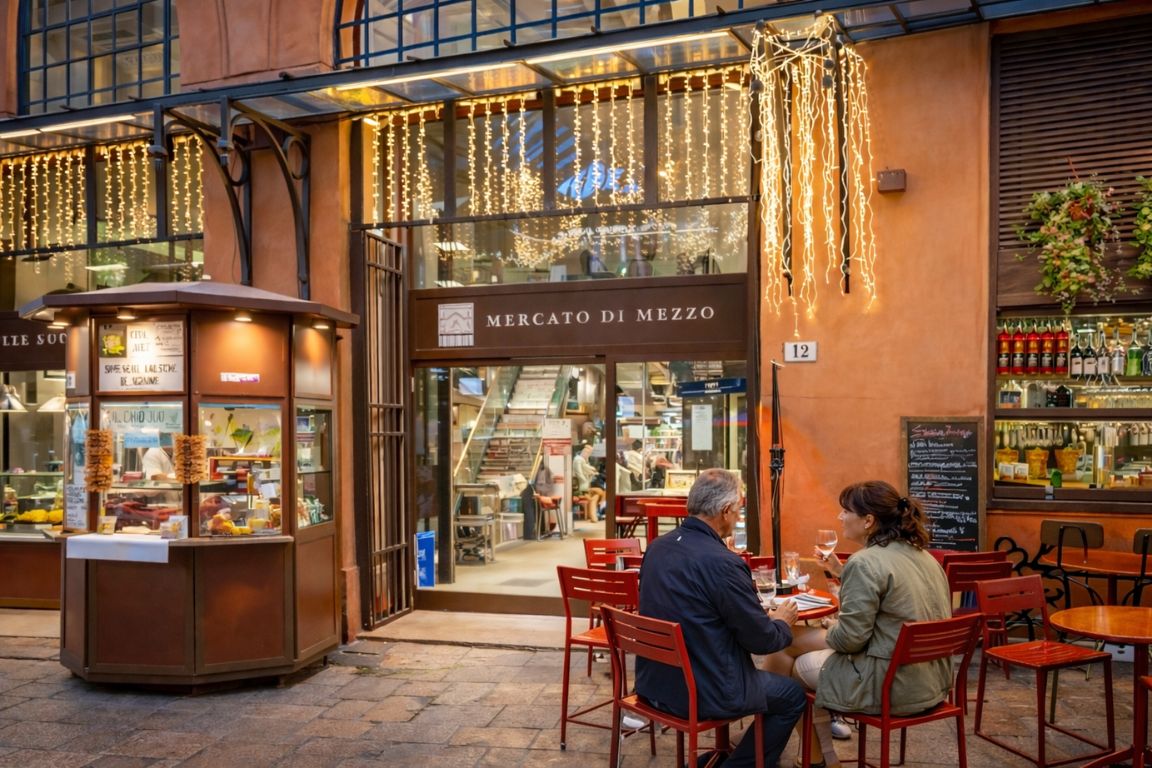
You meet at 9:30am in Piazza Maggiore. Twelve people today – a good size. Your guide is Bolognese, third generation, and her grandmother taught her to make tortellini starting at age six. This detail matters more than you realize yet.
First stop is Mercato di Mezzo, a 5-minute walk through porticoed streets. The guide doesn’t just lead – she explains why Bologna has 38 kilometers of porticos (medieval students needed shelter walking to lectures, later becoming covered market walkways).
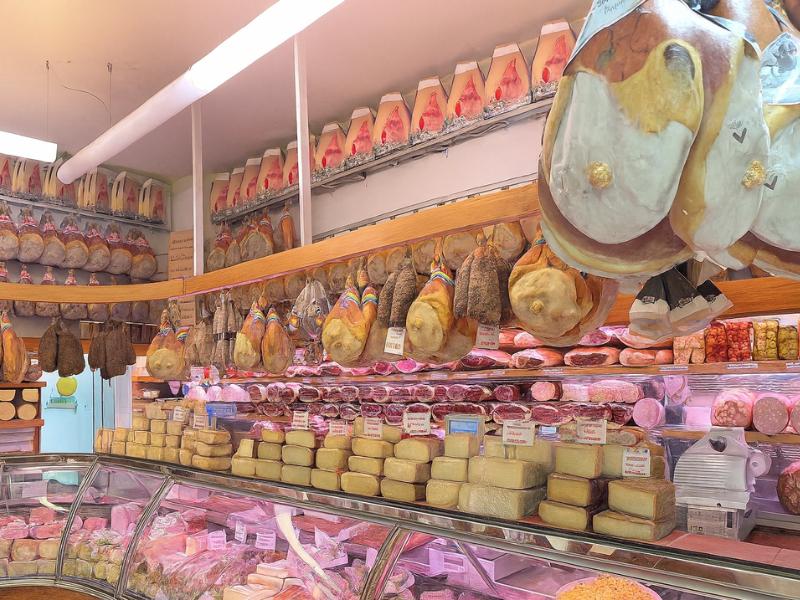
At the market, you stop at a salumeria run by the same family since 1963. The owner greets your guide by name, kisses both cheeks. He slices mortadella fresh from a massive pink cylinder, explaining that real mortadella contains only pork, pork fat, black pepper, and pistachios. No garlic. No wine.
You taste it. The mortadella is silky, delicate, nothing like the rubbery sandwich meat back home. The fat melts on your tongue. Everyone pauses, surprised.
Twenty minutes at this stop. The owner also offers Parmigiano-Reggiano aged 24 months, explaining the difference from 12-month (mild, creamy) and 36-month (crumbly, crystalline, intense). You taste all three. Your palate is learning.
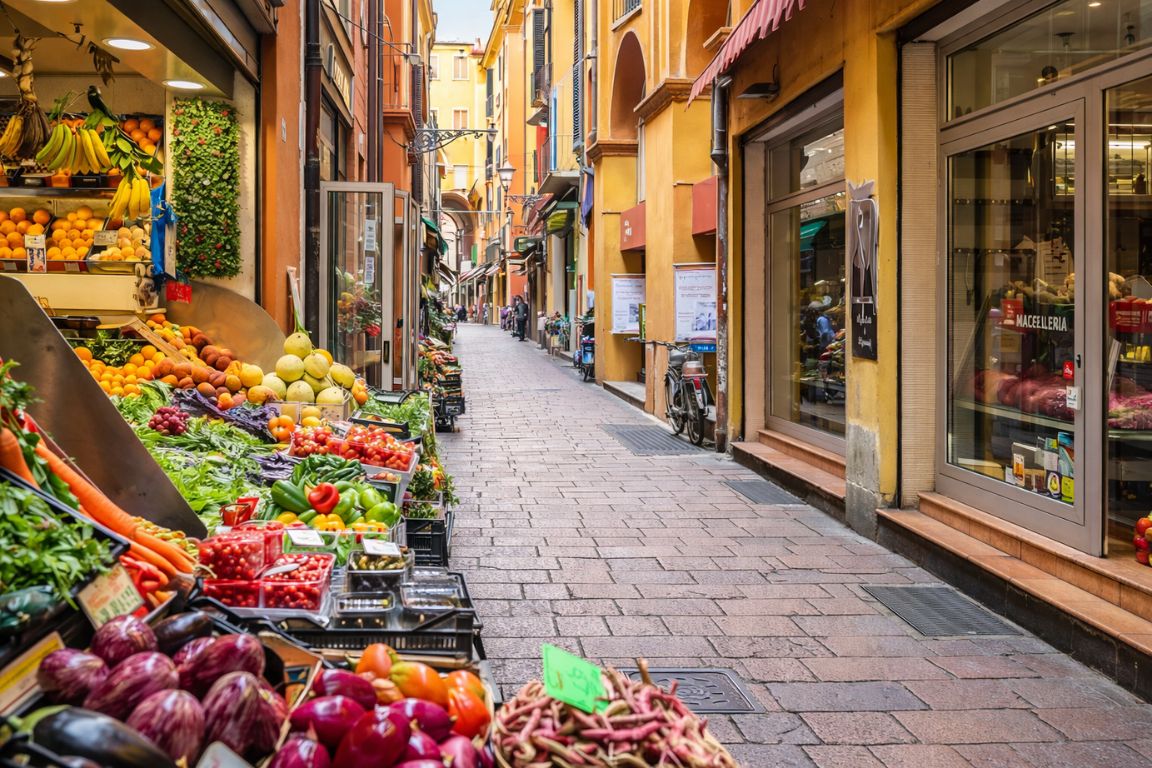
Walk to the next stop: a fresh pasta laboratory in the Quadrilatero. Ten minutes walking, guide pointing out architectural details – the leaning towers, the red terracotta buildings, the way Bolognese families traditionally had private porticos connecting their homes to the street.
At the pasta lab, you watch sfoglina (pasta makers) rolling dough paper-thin with meter-long rolling pins. The guide explains that proper tortellini require dough rolled thin enough to “see the newspaper through it.” The sfoglina has been doing this for 40 years, since she was 16. Her hands move impossibly fast, folding tiny tortellini – each one barely the size of your fingernail.
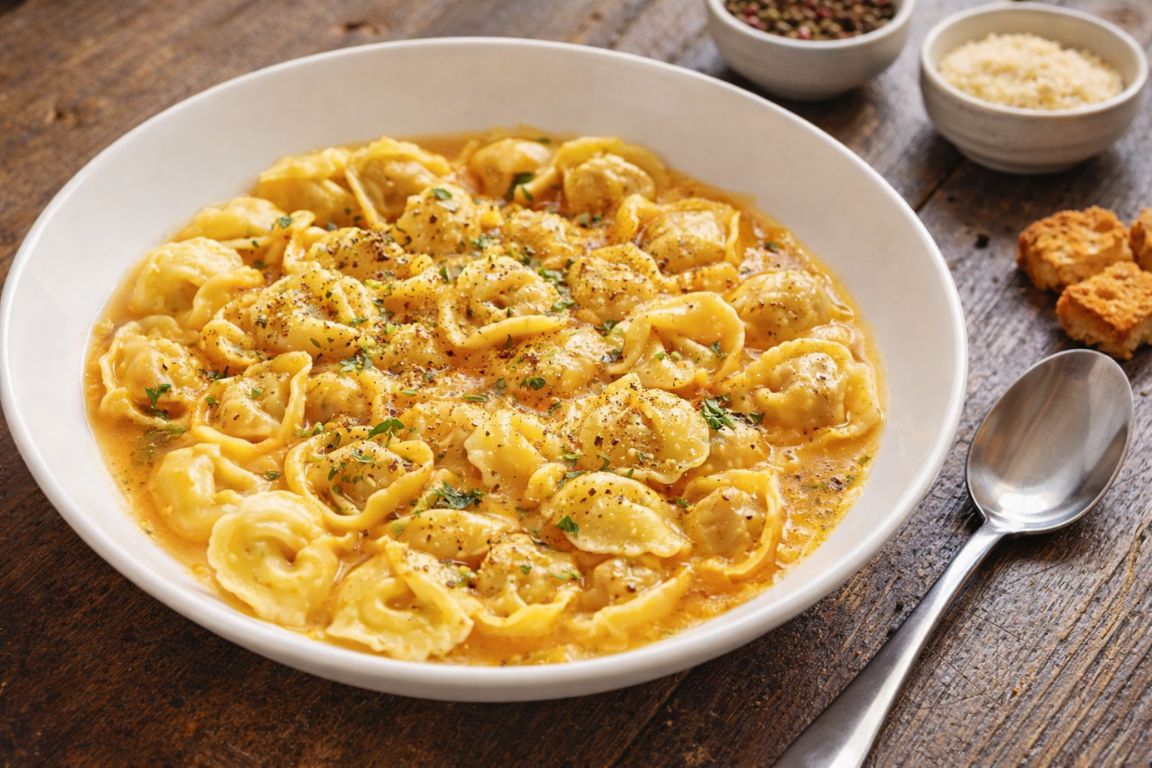
You taste tortellini in brodo – the traditional way, floating in clear capon broth. Just pasta, filling (pork, prosciutto, mortadella, Parmigiano, nutmeg), and broth. The quality of each ingredient makes it extraordinary. The guide mentions that tortellini in panna (cream sauce) is what they serve tourists who don’t know better. This broth preparation is what Bolognese families eat for Sunday lunch.
This pattern continues: walk, taste, learn, repeat. By hour three, you’ve had tagliatelle al ragù (explaining why “bolognese sauce” on spaghetti elsewhere is culinary sacrilege – the wide tagliatelle ribbons catch the meat ragù properly), traditional balsamic vinegar aged 12 years (syrupy, complex, nothing like supermarket versions), and gelato at a gelateria making everything fresh daily.
By 1pm, you’re full. Not stuffed, but satisfied. The portions at each stop were tasting-size (3-4 bites), but across 6-8 stops, you’ve eaten a complete meal. You’ve walked 2km through medieval streets. You’ve learned more about Bologna’s food culture in 3.5 hours than you’d discover in a week of independent dining.
The tour ends back in Piazza Maggiore. The guide provides restaurant recommendations, suggests markets to visit independently, and offers to answer questions. Several people ask for her family’s tortellini recipe. She laughs – it took her grandmother 60 years to perfect it.
I’ve put together a full Bologna Italy food itinerary that takes you through 48 hours of the city’s best food without wasting time on tourist traps.
What Food Will You Actually Taste On Bologna Food Tours In The Historic Center?
Every Bologna food tour covers certain signature items that define the city’s cuisine around the Quadrilatero and Mercato di Mezzo.
Mortadella appears on every tour because Bologna invented it. The name comes from the mortar (mortaio) used to grind the pork. IGP-certified Mortadella Bologna contains specific ingredients in specific proportions. Quality tours slice it fresh in front of you from whole cylinders at Mercato di Mezzo, not from pre-sliced packages. The difference is dramatic.
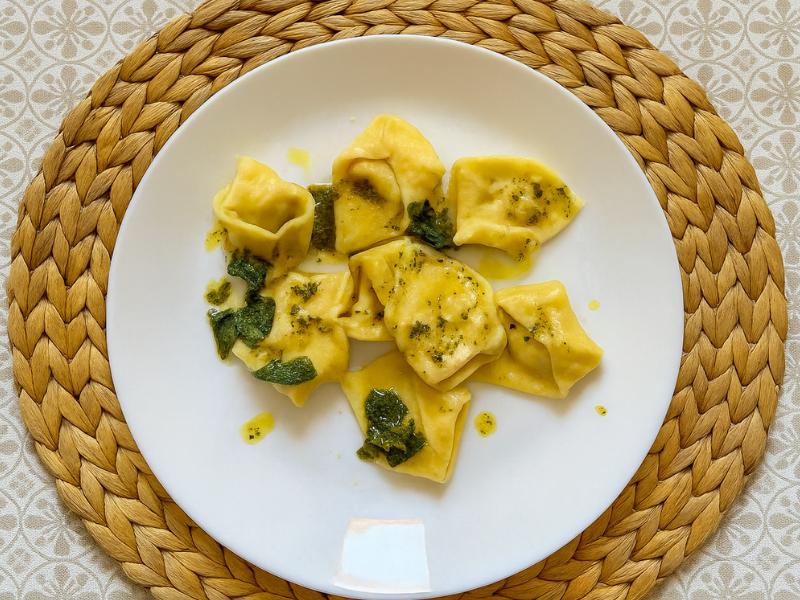
Tortellini gets demonstrated and tasted on virtually all Bologna food tours. Traditional presentation is tortellini in brodo (clear broth), though some tours offer tortellini al ragù or alla panna. The classic filling contains pork loin, prosciutto, mortadella, Parmigiano-Reggiano, egg, and nutmeg – never spinach, never ricotta (those are tortelloni, a different pasta).
Tagliatelle al ragù teaches you that “spaghetti bolognese” doesn’t exist in Bologna. The authentic ragù (officially registered with Bologna’s Chamber of Commerce in 1982) requires specific proportions of beef, pancetta, vegetables, tomato paste, wine, and milk, simmered 3-4 hours. It’s served on fresh egg tagliatelle whose width perfectly captures the meat sauce.
Parmigiano-Reggiano at various ages (12, 24, 36 months) demonstrates how aging transforms the cheese from creamy and mild to crumbly and intensely complex. Good tours compare ages side-by-side so you taste the evolution.
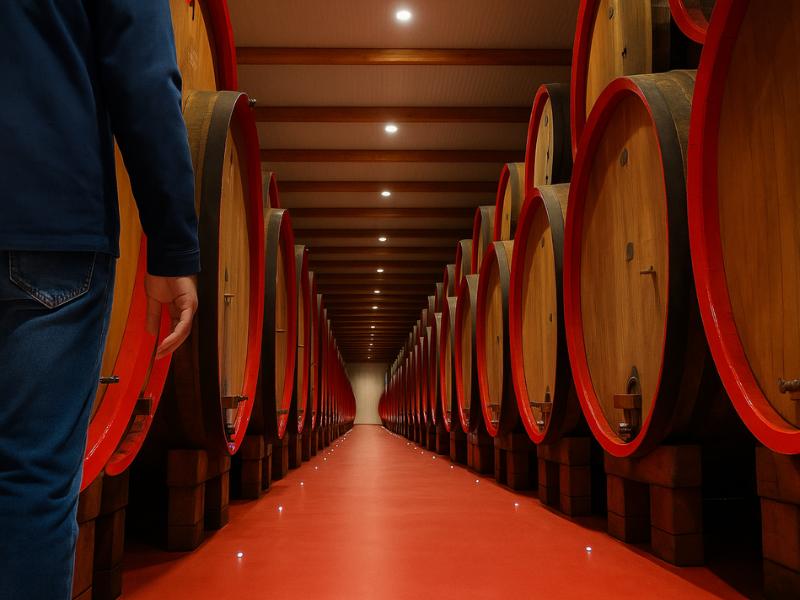
Traditional Balsamic Vinegar (Aceto Balsamico Tradizionale) aged minimum 12 years differs completely from supermarket “balsamic.” The guide explains the aging process in wooden barrels, the reduction that creates syrupy consistency, and why it costs €50-150 for 100ml. You’ll taste it neat, maybe drizzled on Parmigiano.
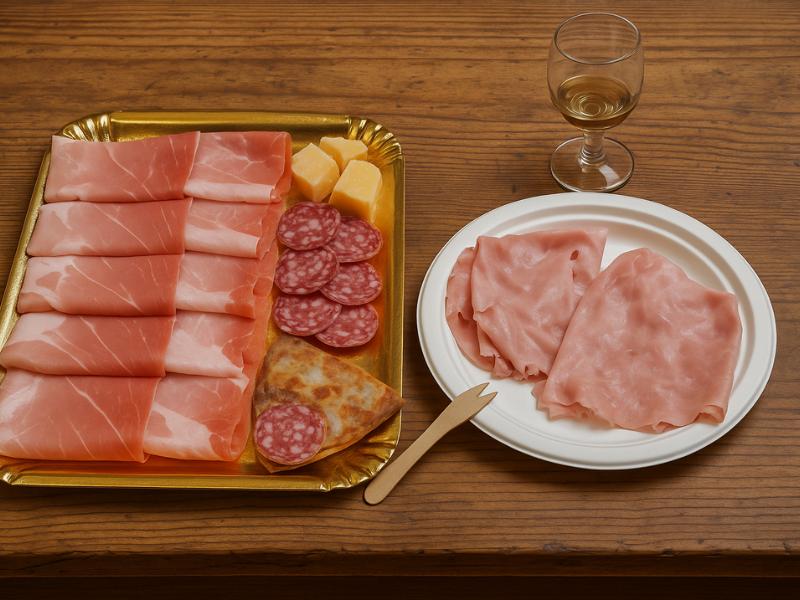
Tigelle or crescentine (regional breads) appear on many tours, served with cured meats and soft cheese. These round breads cooked on special griddles represent traditional accompaniments to salumi tastings.
Gelato finishes most tours, emphasizing fresh daily production and natural ingredients versus industrial gelato’s artificial colors and stabilizers.
Wine appears more prominently on afternoon tours, featuring local Pignoletto (white) or Sangiovese (red) from nearby Emilia-Romagna vineyards. Morning tours typically minimize alcohol, offering small tastes with food rather than full glasses.
Standard Bologna Food Tour Tastings:
| Food Item | Always Included? | Typical Preparation | What Makes It Special | Educational Focus |
|---|---|---|---|---|
| Mortadella | Not measured; confirm directly | Sliced fresh from cylinder | IGP certification, traditional recipe | Why pistachios, no garlic/wine |
| Tortellini | Not measured; confirm directly | In brodo (most authentic) | Hand-folded, traditional filling | Filling recipe, why not cream sauce |
| Tagliatelle al ragù | Not measured; confirm directly | Fresh pasta, 3-4 hour sauce | Never on spaghetti | Why wide pasta, official recipe |
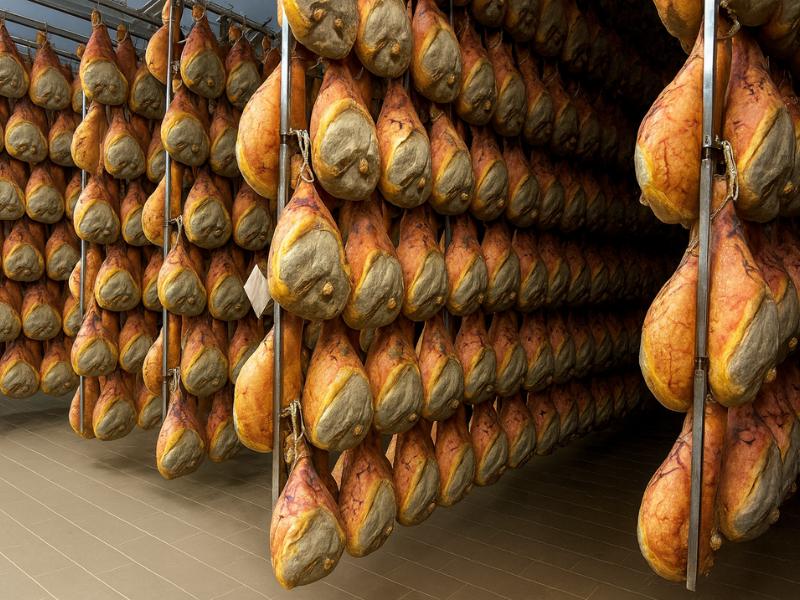
| Parmigiano-Reggiano | Not measured; confirm directly | 2-3 different ages | Aging transformation | How aging changes flavor/texture |
| Balsamic vinegar | Not measured; confirm directly | 12+ years aged | Syrupy vs supermarket thin | Traditional aging process |
| Tigelle/crescentine | Not measured; confirm directly | Fresh, hot with salumi | Regional bread tradition | Historical accompaniment |
| Gelato | Not measured; confirm directly | Fresh daily production | Natural vs industrial | How to identify quality |
| Wine pairings | Varies by tour time | 1-2 glasses (afternoon more) | Local Emilia-Romagna | Regional wine education |
What’S Included In Bologna Food Tour Prices At Mercato Di Mezzo Vs What Costs Extra?
Most Bologna food tours advertise “all tastings included,” but details vary around the Quadrilatero market area.
Typically Included:
- All food tastings at designated stops
- Water between stops
- Guide’s expertise and stories
- Market entry fees (if any)
- Basic local wine tastings (1-2 small glasses)
Sometimes Extra:
- Premium wine pairings beyond basic offerings
- Additional items at stops beyond the standard tasting menu
- Coffee or digestivi at the end
- Gratuities for the guide (customary 10-15%)
- Shopping at markets (products you want to take home)
Read the tour description carefully. “All-inclusive food tour” should mean all tastings are covered, but confirm whether wine beyond basic pairings costs extra.
Some tours operate on “pay-as-you-go” models where you pay the guide for each tasting at Mercato di Mezzo and shops. This creates awkward transaction moments at every stop and often costs more total. Avoid these unless significantly cheaper upfront.
Bologna Food Tour Cost Breakdown:
Planning examples in this table are not current quotes or measured guarantees. Confirm prices, opening hours, party size and inclusions directly for your date.
| Tour Type | Base Price | Tastings Included | Wine Included | Coffee/Digestivo | Guide Gratuity | Typical Total Cost |
|---|---|---|---|---|---|---|
| Budget (large group) | €60-75 | 6-7 basic items | 1 small taste or none | Not included | Expected (€6-8) | €66-83 |
| Mid-Range | €80-100 | 7-8 quality items | 1-2 wine pairings | Sometimes | Expected (€8-10) | €88-110 |
| Premium (small group) | €110-130 | 8-10 premium items | 2-3 wine pairings | Usually included | Expected (€11-15) | €121-145 |
| Extended/Specialized | €140-180 | 10-12 items + extras | 3-4 wine pairings | Included | Often included | €140-180 |
How Does Group Size Affect Your Bologna Food Tour Experience In The Quadrilatero?
Tour descriptions often bury the group size detail, but it dramatically affects your experience at family shops around Mercato di Mezzo.
Small Groups (6-10 people): Intimate, easy to hear the guide, minimal crowding at shops, flexible timing, genuine interaction with vendors. Worth paying premium €90-120 per person.
Medium Groups (12-15 people): Still manageable, guide needs to speak louder, some shops feel crowded, occasional waiting while everyone tastes. Good balance of intimacy and value €75-95 per person.
Large Groups (16-20+ people): Crowded at small shops in the Quadrilatero, hard to hear guide, vendors treat it as transaction not relationship, lose intimate educational component. Cheaper €60-80 per person but inferior experience.
The small family shops that make Bologna food tours special can’t comfortably accommodate 20 people. You’ll find yourself waiting outside while the front half of the group tastes mortadella at Mercato di Mezzo, then shuffling in for your rushed turn.
Ask about maximum group size before booking Bologna food tours. “Small group” means different things to different operators. Specifically ask: “What’s the maximum number of participants on this tour date?”
If the operator won’t provide a specific number, they’re probably running large groups.
Need help choosing? This comparison of Bologna Italy food tours vs eating on your own shows exactly when each option makes sense.
Group Size Impact Comparison:
| Group Size | People | Shop Comfort | Can Hear Guide? | Vendor Engagement | Pacing | Question Opportunities | Value Rating |
|---|---|---|---|---|---|---|---|
| Small | 6-10 | Everyone fits comfortably | Easily | Personal, genuine | Flexible, unhurried | Ask freely anytime | Excellent |
| Medium | 11-15 | Slightly crowded | Usually | Friendly but busy | Fixed schedule | Limited to breaks | Good |
| Large | 16-20+ | Half wait outside | Struggle to hear | Transactional only | Rushed constantly | Very limited | Poor |
What’S The Difference Between Morning And Afternoon Food Tours At Bologna’S Markets?
Bologna food tours at different times offer genuinely different experiences around Piazza Maggiore and the Quadrilatero, not just scheduling convenience.
Morning Tours (9:30-10am start)
Emphasize fresh pasta-making demonstrations (sfogline work morning hours), visit Mercato di Mezzo at peak activity (vendors displaying fresh products), include tortellini in brodo as traditional mid-morning snack, less wine (minimal alcohol before noon), finish by 1-2pm leaving afternoon free, often attract serious food enthusiasts, more educational focus on production and tradition.
Afternoon Tours (2-3pm start)
Feature more wine pairings (participants comfortable drinking mid-afternoon), emphasize cured meats and cheeses (substantial afternoon merenda tradition), markets less active but shops still accessible, replace lunch for most participants, finish 5:30-6:30pm with evening free for dinner (though you won’t be hungry), more social atmosphere with wine facilitating group interaction.
Morning Vs Afternoon Tours In Bologna’S Historic Center:
| Factor | Morning Tours (9:30am-10am) | Afternoon Tours (2-3pm) |
|---|---|---|
| Mercato di Mezzo Activity | Peak energy, fresh displays, vendors active | Quieter, some vendors packing by 3pm |
| Pasta Demonstrations | Active production, commercial pace | Staged for tours, slower |
| Signature Dish | Tortellini in brodo (traditional morning) | Tigelle with salumi (afternoon tradition) |
| Wine/Alcohol | Minimal – 1 small taste maximum | Prominent – 2-4 wine pairings |
| Finish Time | 12:30-1pm (afternoon free for museums) | 5:30-6:30pm (too full for dinner) |
| Crowd Type | Food enthusiasts, older travelers | Mixed ages, social groups |
| Energy Level | Attentive, fresh, detail-focused | Relaxed, conversational, wine-enhanced |
| Best For | Deep pasta education, market immersion | Wine lovers, social experience |
Choose based on your interests and energy patterns when booking Bologna food tours, not just schedule convenience. Morning tours deliver deeper food education and production access around Mercato di Mezzo. Afternoon tours provide more social wine-enhanced experience through the Quadrilatero.
How Much Walking Is Actually Involved In Bologna’S Historic Center Food Tours?
Tour descriptions universally claim “easy walking” or “leisurely pace,” but here’s what that actually means in Bologna’s medieval streets.
You’ll walk 1.5-2km total distance over 3-4 hours from Piazza Maggiore through the Quadrilatero. That sounds minimal – and the distance itself is easy for anyone with basic mobility. But the terrain complicates it.
Bologna’s historic center features cobblestone streets (sampietrini – small uneven stones that catch heels and create ankle-turning hazards), occasional steps between street levels, and minimal seating. You’ll stand during most tastings (shops have limited seating, vendors often offer tastings at counters), walk between stops on uneven surfaces, and navigate crowded medieval streets.
The pace itself is genuinely leisurely – you’re not rushed between stops. But you are standing and walking nearly the entire time with minimal sitting.
Mobility Reality:
- Walk 1.5-2km over 3-4 hours (with breaks every 15-20 minutes)
- Stand for 10-20 minutes at tasting stops
- Navigate cobblestones and occasional steps
- Manage in all weather (porticos provide shelter but outdoor walking exists)
Not Wheelchair Accessible: Bologna’s medieval layout, cobblestones, steps, and narrow shop entrances make most food tours incompatible with wheelchairs.
Age Considerations: Children under 10 often get bored (tastings don’t excite them, 3-4 hours feels eternal). Seniors in good health manage fine but should consider energy levels for sustained standing.
Comfortable, broken-in walking shoes are non-negotiable. Save the Italian leather shoes you just bought for dinner – wear proven comfortable sneakers on the tour.
Bologna Food Tour Physical Requirements:
| Activity | Duration/Distance | Difficulty Level | Accessibility | What to Expect |
|---|---|---|---|---|
| Total Walking | 1.5-2km over 3-4 hours | Easy for most | Not wheelchair accessible | Cobblestones, occasional steps |
| Standing at Stops | 10-20 min per stop | Easy to moderate | Possible with mobility aids | Minimal seating, counter tastings |
| Stair Climbing | Occasional 5-15 steps | Easy | Challenging for limited mobility | Some shops have entry steps |
| Weather Exposure | Not measured; confirm directly | Minimal (porticos) | Protected mostly | Some outdoor walking |
| Rest Breaks | Every 15-20 minutes | N/A | Helpful for all | Brief but regular |
| Overall Suitability | Healthy adults | Easy | Limited accessibility | Comfortable shoes essential |
What Makes A Good Bologna Food Tour Guide In The Historic Center?
The guide makes or breaks a Bologna food tour through the Quadrilatero and Mercato di Mezzo, and their role extends far beyond leading you to shops.
Expert Local Guides who are Bolognese natives provide:
Vendor relationships that grant special access (tasting rooms not shown to regular customers, demonstrations not offered to casual visitors), cultural context explaining why Bologna is called “La Grassa, La Dotta, La Rossa” (The Fat One, The Learned One, The Red One), family food stories and personal recipes that textbooks can’t teach, real-time adjustments based on crowds, weather, or shop availability, quality control ensuring you’re tasting excellent examples around Mercato di Mezzo, not tourist-trap versions.
Generic Guides who learned about Bologna from guidebooks deliver:
Rote historical facts without personal connection, standard vendor stops available to any tour operator, surface-level food knowledge, no adaptation to group interests, transactional relationships with vendors in the Quadrilatero.
The difference shows immediately. A native Bolognese guide discussing how her grandmother made tortellini every Sunday for 60 years, demonstrating the exact hand motion for sealing each one – that’s education you can’t get from someone who moved to Bologna last year to lead tours.
Ask Bologna food tour operators: “Is the guide a Bologna native? How long have they worked with these vendors? Do they have culinary training or family food traditions?”
Native vs Generic Guide Comparison:
| Quality Factor | Native Bolognese Guide | Generic Guide (Trained Recently) |
|---|---|---|
| Bologna Connection | Multi-generational family, born here | Moved here 1-3 years ago |
| Vendor Relationships | Personal, decades-long, family connections | Professional, transactional, recent |
| Cultural Knowledge | Deep family stories, traditions, nuances | Guidebook facts, surface details |
| Language Skills | Native Italian, local dialect | Learned Italian, textbook |
| Flexibility | Adapts routes, knows alternatives | Follows fixed script |
| Problem Solving | Seamless backup plans if shop closed | Struggles, accepts inferior substitutes |
| Historical Context | Lived history, personal perspective | Memorized dates and facts |
| Recipe Knowledge | Family recipes, variations, debates | Official versions only |
| Worth Premium Price? | YES – transforms experience | NO – adequate but forgettable |
How Should You Pace Yourself During Bologna Food Tastings In The Quadrilatero?
Here’s what happens to nearly everyone on their first Bologna food tour: At the first stop in Mercato di Mezzo, you taste mortadella. It’s incredible. You accept seconds. Maybe thirds. You’re excited, hungry, and it’s the best mortadella you’ve ever had.
Stop two: Fresh tortellini. You eat the full portion enthusiastically. Stop three: Tagliatelle al ragù. Still going strong, though you’re starting to feel full. Stop four: Parmigiano at three ages. You’re committed now. Stop five: Tigelle with prosciutto. You’re uncomfortable. Stops six through eight: You’re forcing it.
This is the classic first-timer mistake.
How to Actually Pace Yourself:
- Take 2-3 bites at each stop, not the full portion offered
- Drink water between stops (dehydration makes fullness worse)
- Remember you have 6-8 stops total (don’t peak early)
- Share with your partner or group
- Skip items that don’t interest you
- Focus on quality over quantity
Guides won’t be offended if you don’t finish everything. They’d rather you enjoy each tasting than stuff yourself miserable by stop four.
The portions add up to a full meal across all stops – the tour replaces lunch or dinner. Approach it like a progressive tasting menu where pace matters more than finishing each course.
Ready to plan your visit to Bologna Italy food tours? Use this seasonal guide to choose your timing, then dive into logistics, bookings, and day-by-day strategies.
Pacing Strategy By Stop:
| Stop Number | What You’ll Taste | Smart Approach | Common Mistake | Result if You Overeat |
|---|---|---|---|---|
| Stop 1 | Mortadella at Mercato di Mezzo | 2-3 slices maximum | Eat full portion + seconds | Too full by stop 3 |
| Stop 2 | Tortellini demonstration | 3-4 pieces in broth | Finish entire bowl | Uncomfortably full |
| Stop 3 | Tagliatelle al ragù | Half portion, share rest | Eat everything offered | Regret starting |
| Stop 4 | Parmigiano (3 ages) | 1 bite each age | Try to finish all portions | Can’t enjoy flavors |
| Stop 5 | Tigelle with prosciutto | 1 tigelle, few bites | Eat 2-3 tigelle | Forcing food down |
| Stops 6-8 | Balsamic, gelato, wine | Small tastes only | Try to finish each | Miss best parts |
How Do Bologna Food Tours In The Quadrilatero Compare To Restaurant Dining?
Food tours don’t replace restaurants around Piazza Maggiore – they serve different purposes.
Food Tours Provide:
- Education about food origins, production methods, traditional recipes
- Insider access to markets, producers, family shops
- Concentrated sampling of many items (6-8 different foods in 3-4 hours)
- Cultural context connecting food to Bologna’s history
- Vendor relationships and recommendations for future independent shopping
- Efficient introduction to Bologna’s food culture
Restaurant Dining Provides:
- Complete meals with multiple courses
- Leisurely experience with time to savor
- Full portions of individual dishes
- Seated comfort for 1-2 hours
- Wine pairings with full glasses
- Ambiance and service as part of the experience
You should do both. The Bologna food tour educates you about what makes Bolognese cuisine special around Mercato di Mezzo. Then you use that knowledge dining at restaurants, understanding what makes a good ragù, knowing to order tagliatelle not spaghetti, appreciating when you’re served excellent mortadella versus mediocre versions.
Think of food tours as compressed education with tastings. Think of restaurants as leisurely full meals. They complement each other.
Wondering which places to prioritize? Check out the best restaurants in Bologna Italy food tours visit – these are the spots that consistently deliver.
Food Tours Vs Restaurant Dining:
Planning examples in this table are not current quotes or measured guarantees. Confirm prices, opening hours, party size and inclusions directly for your date.
| Aspect | Bologna Food Tours | Restaurant Dining |
|---|---|---|
| Duration | 3-4 hours | 1.5-2 hours |
| Format | Standing, walking, tasting | Seated, courses, full service |
| Portions | Tasting-size (3-4 bites each) | Full portions (complete dishes) |
| Variety | 6-8 different items | 2-4 courses, one cuisine style |
| Education | High – guide explains everything | Low – menu descriptions only |
| Social | Group experience (8-15 people) | Private table (2-6 people) |
| Cost | €75-120 per person | €30-80 per person |
| Purpose | Learn + taste + discover | Relax + enjoy + dine |
| When to Do | Day 1-2 for education | After tour, applying knowledge |
I’ve put together a complete Bologna street food guide that maps out what to eat and where to find the real deal.
How Do You Choose Between Bologna Food Tour Options In The Historic Center?
You’ll find dozens of Bologna food tours. Here’s how to evaluate them:
Ask About Maximum Group Size: Specific numbers matter more than tour price. A €120 tour with 8 people beats a €70 tour with 20 people every time.
Check Guide Qualifications: Is the guide Bolognese? Do they have culinary training or family food traditions? How long have they been leading tours?
Read Recent Reviews: Look for specific details – what foods were included, which shops in the Quadrilatero were visited, how the guide handled questions. Generic 5-star reviews (“Great tour!”) tell you nothing.
Confirm What’s Included: All tastings? Wine? Water? Coffee at the end?
Understand the Route: Does the tour visit Mercato di Mezzo, family shops, or just restaurants anyone can access? The special access matters more than the food itself.
Consider Timing: Morning for pasta-making and markets, afternoon for wine and socializing.
Price Reflects Quality: €50-60 tours cut corners (large groups, limited tastings). €75-95 represents good value. €100-120 usually indicates small groups and excellent guides.
The cheapest tour is rarely the best value. The sweet spot is usually €80-100 for quality small-group tours with experienced local guides.
For a detailed look at the best Bologna Italy food tours and how they stack up, check out our full comparison.
Bologna Food Tour Selection Criteria:
Planning examples in this table are not current quotes or measured guarantees. Confirm prices, opening hours, party size and inclusions directly for your date.
| Factor to Evaluate | What to Ask | Red Flag Answer | Quality Answer | Impact on Experience |
|---|---|---|---|---|
| Group Size | “Maximum participants?” | “Small group” (vague) | “10 people maximum” | Critical – affects entire tour |
| Guide Background | “Bologna native?” | “Experienced professional” | “Born here, 3rd generation” | High – depth of knowledge |
| Route Specifics | “Which shops visit?” | “Best local places” | Names specific families/shops | High – quality vs tourist traps |
| Inclusions | “All tastings included?” | “Most things covered” | “Everything except premium wine” | Medium – budget planning |
| Vendor Access | “How long with vendors?” | “Work with quality shops” | “Same families 10+ years” | High – special access |
| Timing Options | Morning vs afternoon? | Only one time offered | Both available, different focus | Medium – matches preferences |
| Price-Value | Cost per person? | €50-70 (budget corners cut) | €80-100 (quality sweet spot) | High – experience quality |
FAQs
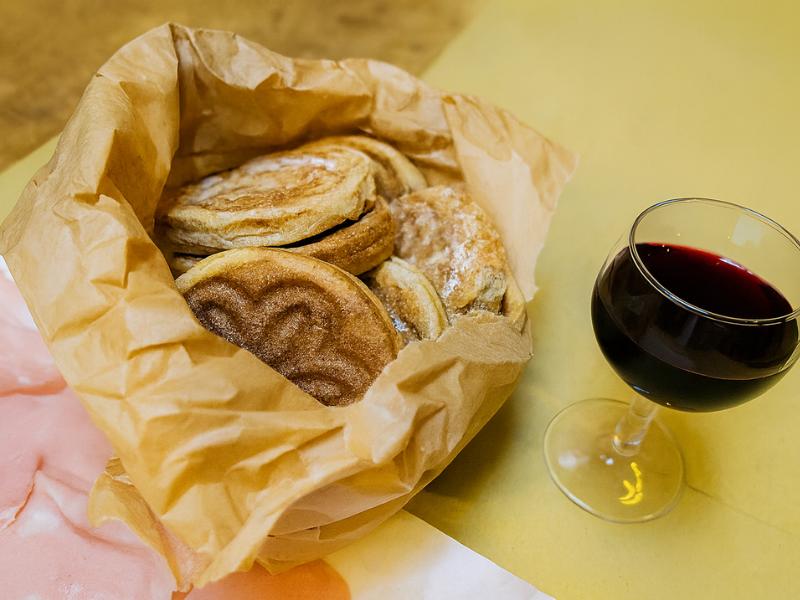
Bologna Walking Food Tour With A Local Expert
Have your Bologna date in mind? Check a three-hour departure before arranging your other meals, and explore the city through guided tastings.
Food Tour in Bologna Through Local Eyes
What can a market route reveal about Bologna’s food traditions? Follow selected local food stops with a host.
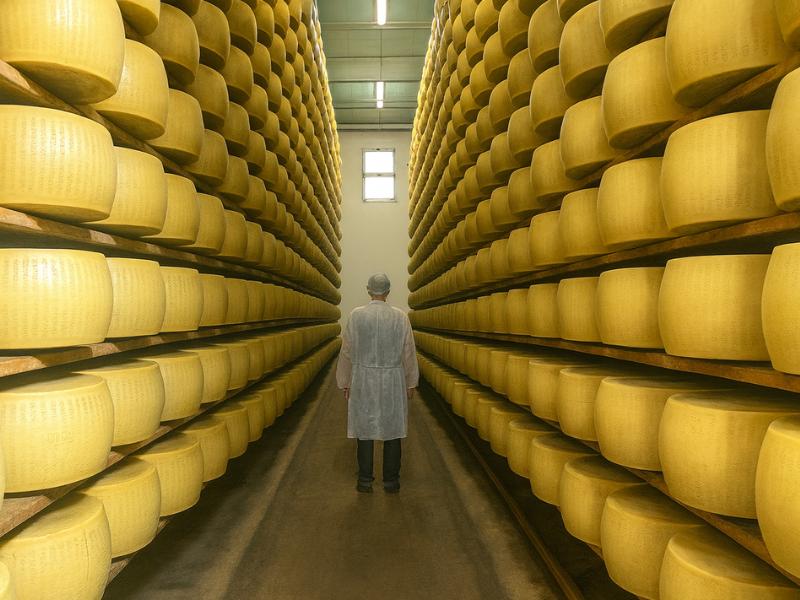
Italian Days Food Producers And Lunch
Ready to explore beyond Bologna? Check the producer-day date before arranging regional travel, with transport, visits and lunch in one experience.
Pastamama Home Pasta Class And Lunch
What happens when a Bologna lunch begins with making the pasta yourself? Prepare fresh pasta in a home kitchen, then sit down to the lunch you helped make.
How hungry should I be before a food tour? Moderately hungry but not starving. A light breakfast before a morning tour (coffee and a small pastry) is fine. Skip lunch before an afternoon tour. If you’re ravenous, you’ll overeat at the first stop at Mercato di Mezzo. The tour provides a meal’s worth of food across all tastings.
Will I still want dinner after an afternoon food tour? Probably not immediately. The tastings around the Quadrilatero replace a meal. Most people aren’t hungry for 4-5 hours after finishing. Afternoon tours ending 5:30-6pm mean you might want a light dinner around 10-11pm (normal Italian timing) or skip dinner entirely.
Are food tours worth it if I’m already planning to eat at good restaurants? Yes, for different reasons. Tours provide education and context that make your independent restaurant meals more meaningful around Piazza Maggiore. You’ll understand why certain dishes are traditional, what makes quality versions excellent, and how to identify authentic preparation. The tour doesn’t replace restaurants – it enhances them.
How physically demanding are these tours really? Minimal for healthy adults. The 1.5-2km distance is easy, the pace is leisurely, and you get breaks every 15-20 minutes. But you’re standing and walking nearly the entire time on cobblestones through Bologna’s historic center. If you have knee problems, arthritis, or limited mobility, the sustained standing at each tasting stop may be more challenging than the walking itself.
What’s the best time of year for Bologna food tours? Food tours run year-round with seasonal variations. Spring (April-May) and fall (September-October) offer pleasant weather and fewer crowds. Summer (June-August) gets hot and touristy but markets are vibrant. Winter (November-February) is cold but authentic – fewer tourists, locals-focused markets, truffle season. Food quality remains excellent year-round since most signature items (mortadella, pasta, Parmigiano) aren’t seasonal.
Can I buy products at the shops we visit? Yes, and vendors at Mercato di Mezzo appreciate it. Just be quick about transactions – complete purchases while the guide is wrapping up the stop. Don’t make the group wait while you buy six items. Many shops also ship internationally if you want to order larger quantities after the tour.
Do I need to speak Italian on a Bologna food tour? No. Tours operate in English (or other languages depending on the operator). Your guide translates vendor interactions and provides all explanations in your language. However, vendors appreciate basic Italian pleasantries – “grazie” goes a long way.
Glossary
La Grassa: “The Fat One” – Bologna’s nickname referring to its rich food culture and hearty traditional cuisine centered on meat, dairy, and egg pasta.
Sfoglina: Traditional female pasta maker who hand-rolls egg pasta dough to paper-thin sheets using a long wooden rolling pin (mattarello), a skill passed down through generations.
Mortadella Bologna IGP: Protected designation authentic mortadella produced in the Bologna region following specific regulations regarding ingredients (pork, pork fat, black pepper, pistachios only) and production methods.
Tortellini in brodo: Traditional preparation of tiny hand-folded pasta filled with meat and cheese served in clear capon or beef broth, the authentic Bolognese presentation versus cream-based tourist versions.
Ragù alla Bolognese: Meat sauce officially registered by Bologna’s Chamber of Commerce in 1982 requiring specific proportions of ground beef, pancetta, vegetables, tomato paste, wine, and milk, simmered 3-4 hours, served exclusively on fresh tagliatelle.
Porticos: Covered walkways extending from buildings creating 38 kilometers of sheltered passages throughout Bologna’s historic center, originally built for medieval university students.
Mercato di Mezzo: Bologna’s historic covered market in the city center, operating since medieval times, featuring family-run stalls selling fresh pasta, cured meats, cheese, produce, and prepared foods.
Sampietrini: Small uneven cobblestones paving Bologna’s historic center streets, creating charming medieval atmosphere but requiring careful walking in proper footwear.
Quadrilatero: Bologna’s historic market district with narrow medieval streets containing food shops, restaurants, and Mercato di Mezzo, bounded by Piazza Maggiore and the Two Towers.
Aperitivo: Italian pre-dinner tradition (6-8pm) of drinks accompanied by small snacks or buffet food, distinct from dinner, popular in Bologna’s wine bars and enotecas.
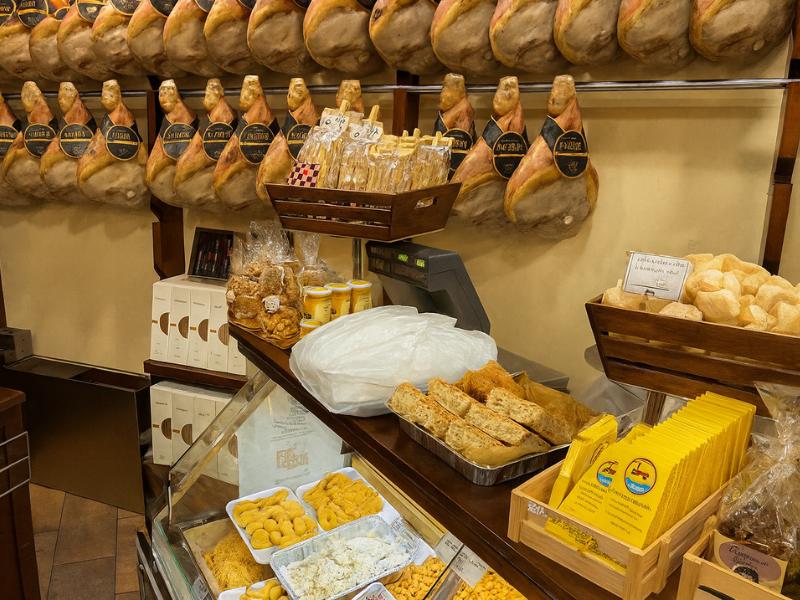
Private Bologna Food And Market Walk
What would your party discover with a guide of its own? Explore central food stops with a guide dedicated to your party and a pace discussed with the operator.
Bologna Walking Food Tour With A Local Expert
Have your Bologna date in mind? Check a three-hour departure before arranging your other meals, and explore the city through guided tastings.
Italian Days Food Producers And Lunch
What lies behind the region’s cheese, balsamic and cured meats? Visit regional cheese, balsamic and cured-meat producers with transport, breakfast and lunch arranged.