Bologna Food Itinerary (2 Days Of Eating)
A perfect 2-day Bologna food plan: start with a morning food tour, then eat independently with confidence. Here’s how to taste Bologna without tourist traps.
One guided experience can anchor day one. Keep the second day flexible, or swap in a pasta class if making lunch appeals more. Choose Your Food Experience.
TL;DR
Use day one for a guided introduction if you want it, then keep day two for your own meals. Swap in a cooking class or producer day only when you prefer it to the existing plan.
What Should You Eat On Day 1 Of Your Bologna Food Itinerary?
Check Bologna Food-Walk Availability
Which Bologna departure could become the anchor for your food day? The three-hour route combines local tastings with a guide to connect the stops.
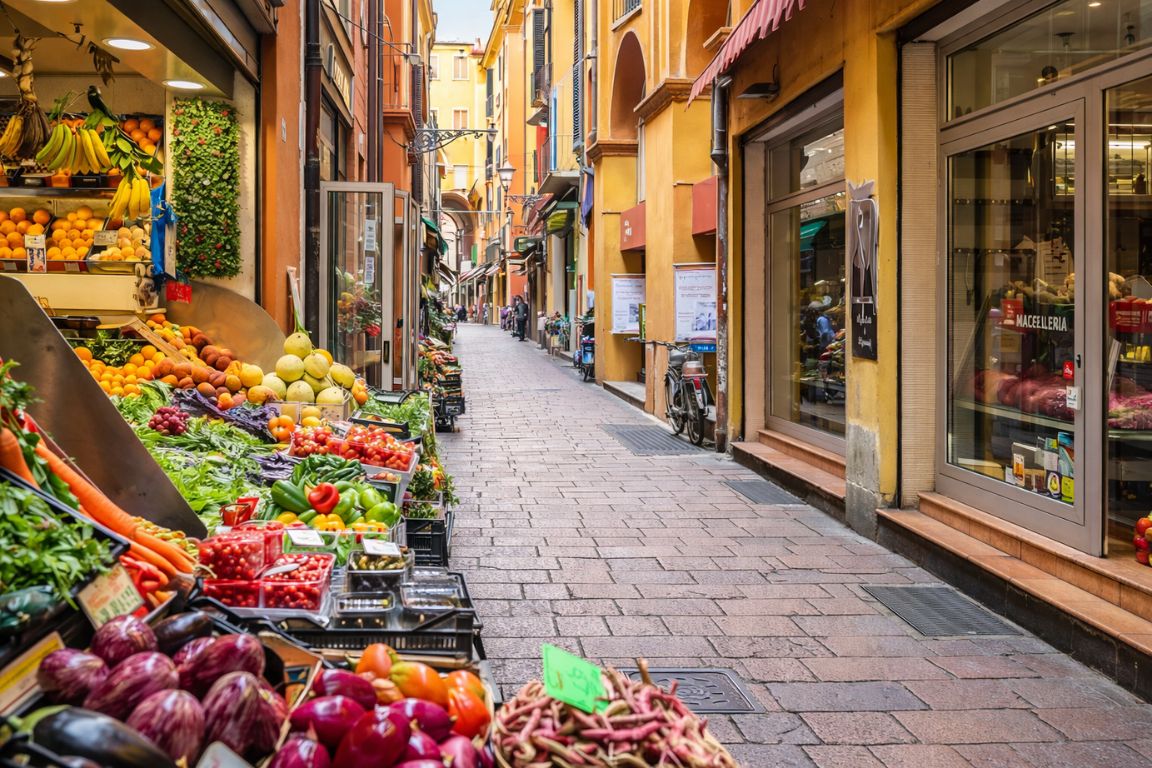
Day 1 centers on education through a morning Bologna food tour that teaches you what to eat independently on day 2. The tour replaces lunch, so you’ll only need light meals before and after.
Morning (7:30-9:00am): Light Breakfast Near Your Hotel
Don’t eat a big breakfast before the food tour. The tour provides a meal’s worth of food across 6-8 tasting stops. A light breakfast works perfectly.
Walk to a local cafe near Piazza Maggiore or in the Quadrilatero (not your hotel breakfast buffet). Order a cappuccino (€1.50-2.50) and a small pastry – cornetto (Italian croissant) or sfogliatella (€1.50-2.50). Stand at the bar like locals do. Don’t sit at tables (charges double).
Total breakfast cost: €3-5 per person
Late Morning-Early Afternoon (9:30am-1:00pm): Bologna Food Tour Through Mercato di Mezzo
This is the most important meal of your entire trip. The 3.5-hour tour through the Quadrilatero and Mercato di Mezzo teaches you everything you need to know for day 2’s independent eating.
You’ll taste mortadella sliced fresh from the cylinder (learning to identify quality vs tourist-grade versions), watch sfoglina making tortellini by hand (understanding why in brodo is traditional, not cream sauce), sample tagliatelle al ragù (discovering why it’s never served on spaghetti in Bologna), compare Parmigiano-Reggiano at three ages (12, 24, 36 months), taste traditional balsamic vinegar aged 12+ years, try tigelle with prosciutto, and finish with gelato.
More importantly, the guide explains where locals shop, which restaurants serve authentic food, how to spot tourist traps, and what questions to ask vendors. This knowledge makes day 2’s independent dining successful.
Book this tour 1-2 weeks ahead through Bologna food tour operators. Choose morning tours (9:30-10am start) over afternoon tours because you’ll see pasta-making at full production and markets at peak activity.
Tour cost: €80-100 per person (everything included except guide tip) Guide tip: €8-12 per person (10-15% customary)
Total tour cost: €88-112 per person
Afternoon (2:00-6:00pm): Rest and Light Exploration
You’re full from the food tour. Don’t try to eat lunch. Instead, rest at your hotel, explore museums (Medieval Museum, Archaeological Museum, Basilica di San Petronio), or walk the porticos photographing architecture.
If you get hungry mid-afternoon (unlikely but possible), grab a coffee (€1-1.50) and maybe a small pastry at a cafe. Don’t have a full meal – you’ll ruin your dinner appetite.
Evening (7:30-9:30pm): Light Dinner at a Trattoria Near Piazza Maggiore
You won’t be very hungry after the food tour, but you should eat something light. This is when you test what you learned about tagliatelle al ragù.
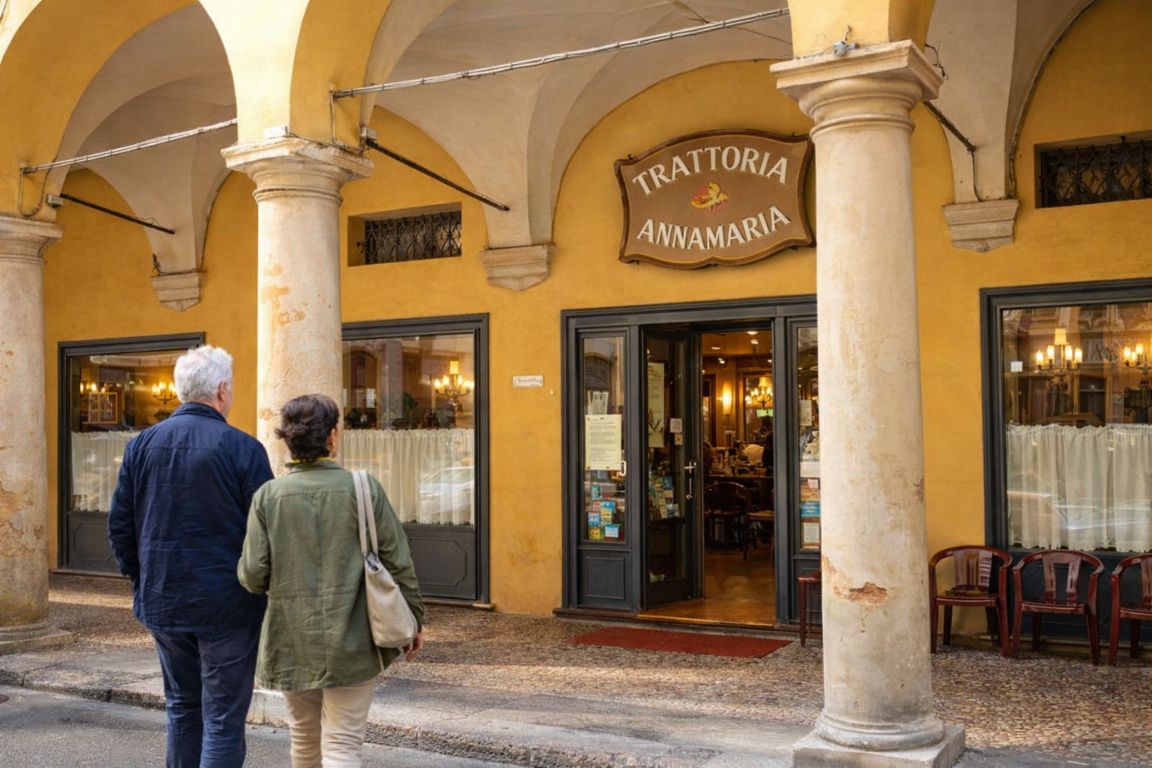
Walk to a traditional trattoria in the university district (15 minutes from Piazza Maggiore) where prices are lower and crowds are fewer. Try Trattoria del Rosso (Via Augusto Righi 30), Trattoria Anna Maria (Via Belle Arti 17), or Osteria dell’Orsa (Via Mentana 1).
Order one dish to share: tagliatelle al ragù (€12-14). Compare it to what you tasted on the tour. Is the pasta fresh? Is the ragù properly simmered with the right texture? Does it taste like what your guide described?
Add a half-liter of house wine (€8-12) and water. Skip appetizers and dessert (you’re not that hungry anyway).
Total dinner cost: €20-26 for two people, €10-13 per person
Late Evening (9:30-10:30pm): Gelato Walk Through the Historic Center
End day 1 with gelato from a quality gelateria. Your food tour guide probably recommended specific shops during the tour – this is your chance to apply that knowledge independently.
Look for signs of quality gelato: muted natural colors (not bright artificial), covered metal containers (not piled high in display cases), small batch production. Avoid shops with mountains of gelato in window displays and tropical fruit flavors in winter.
Try Cremeria Funivia (Via Parigi 1/b), Gelateria Gianni (Via Montegrappa 11), or Stefino (Via Galliera 49). Order two flavors in a small cup (€3-4). Walk through the illuminated porticos while eating.
Total gelato cost: €3-4 per person
Day 1 Total Food Cost: €104-134 per person (€88-112 food tour + €3-5 breakfast + €10-13 dinner + €3-4 gelato)
Looking for the real Bologna experience? Check out where locals eat in Bologna instead of the overpriced places near the main square.
Day 1 Bologna Food Itinerary:
Planning examples in this table are not current quotes or measured guarantees. Confirm prices, opening hours, party size and inclusions directly for your date.
| Time | Activity | Location | What to Eat/Do | Cost Per Person | Why This Timing |
|---|---|---|---|---|---|
| 7:30-9:00am | Light breakfast | Cafe near hotel | Cappuccino + cornetto | €3-5 | Don’t fill up before tour |
| 9:30am-1:00pm | Bologna food tour | Mercato di Mezzo/Quadrilatero | 6-8 tastings (mortadella, tortellini, ragù, Parmigiano, etc.) | €88-112 | Education for day 2, peak market time |
| 2:00-6:00pm | Rest/museums | Historic center | Coffee if needed | €1-2 | Too full for lunch, digest tour food |
| 7:30-9:30pm | Light dinner | Trattoria (university district) | Tagliatelle al ragù + wine | €10-13 | Test what you learned, not very hungry |
| 9:30-10:30pm | Gelato walk | Quality gelateria | 2 flavors, small cup | €3-4 | End day sweetly, apply gelato knowledge |
| Daily Total | – | – | – | €104-134 | Balanced education + application |
What Should You Eat On Day 2 Of Your Bologna Food Itinerary?
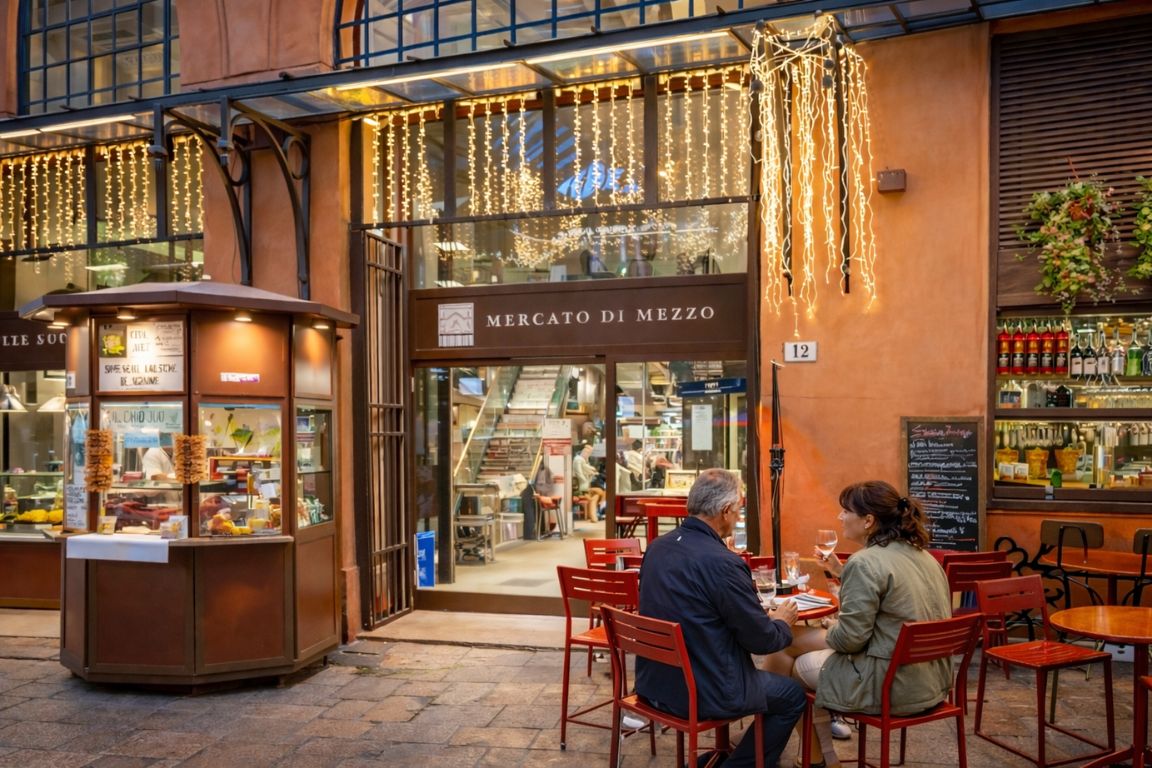
Day 2 focuses entirely on independent eating, applying everything you learned on day 1’s food tour. You’ll shop at markets, eat at trattorias, and navigate Bologna’s food culture with confidence.
Morning (8:00-9:00am): Proper Italian Breakfast in the Quadrilatero
Today you’re not rushing to a food tour, so have a real Italian breakfast. Walk to Mercato di Mezzo area and find a neighborhood cafe frequented by locals (look for shops full of people in work clothes, not tourists in shorts).
Order cappuccino (€1.50-2.50) and a fresh pastry – cornetto filled with crema or marmellata (€1.50-2), or a slice of torta (cake, €2-3). Stand at the bar. Chat with the barista if you speak Italian. This is how Bolognese people start their day.
If you want something more substantial, order a tramezzino (Italian sandwich, €3-4) – try the one with mortadella and stracchino cheese. Now that you’ve tasted quality mortadella on yesterday’s tour, you can judge whether this cafe uses good mortadella or cheap industrial versions.
Total breakfast cost: €3-7 per person
Mid-Morning (9:00-11:00am): Shopping at Mercato di Mezzo
This is why you took the food tour yesterday. You now know what to look for, which vendors to trust, and what questions to ask.
Walk to Mercato di Mezzo (covered market, Via Clavature 12). Arrive between 9-10am when vendors are most active and selection is best. Don’t arrive at 2pm when they’re packing up.
What to buy:
Fresh mortadella (€12-18 per kg, buy 200-300g): Ask the vendor to slice it fresh. Tell them “non troppo sottile” (not too thin) – you want 3-4mm thick slices that show the texture, not paper-thin deli meat. The vendor might offer you a taste first. Accept it, compliment it, then buy.
Parmigiano-Reggiano (€16-25 per kg depending on age, buy 200-300g): Ask for 24 or 36 months aged. Request a small taste first. Buy a chunk, not pre-grated. Tell them you want to eat it as is, not cook with it, so they cut you a nice piece from a good part of the wheel.
Traditional balsamic vinegar (€40-80 for small bottle): Only buy if you understand what you’re getting after yesterday’s tasting. The 12-year aged minimum is what you want. Don’t buy supermarket “balsamic” – it’s vinegar with caramel coloring, not the real thing.
Bread from Paolo Atti & Figli (nearby at Via Caprarie 7): Buy fresh bread or focaccia (€2-4) to eat with your mortadella and cheese.
Fresh pasta (if you have access to a kitchen): Buy fresh tagliatelle (€4-6 per serving) and ask for ragù recommendations. Some stalls sell prepared ragù to take home.
Shop like a local: Don’t rush. Chat with vendors. Ask questions. Use your knowledge from yesterday’s tour to show you know what you’re talking about. Vendors respect educated customers and often give better service or extra tastes.
Total market shopping: €30-50 per person (depending on what you buy)
Lunch (12:30-2:00pm): Traditional Trattoria Meal Near Piazza Maggiore
Now you’re hungry. Walk to a quality trattoria that serves authentic Bolognese cuisine. Avoid restaurants with photos on outdoor menus, multiple language menus at the entrance, or aggressive hosts.
Best options:
- Trattoria di Via Serra (Via Luigi Serra 9/b) – local favorite, authentic, family-run
- Ristorante Da Cesari (Via de’ Carbonesi 8) – been here since 1955
- Trattoria Anna Maria (Via Belle Arti 17) – university district, loved by locals
- Osteria Broccaindosso (Via Broccaindosso 7a) – tiny, authentic, brilliant
Arrive between 12:30-1:00pm. Italians eat lunch 1-2pm, so arriving early means better table selection and attentive service.
I’ve put together a complete Bologna street food guide that maps out what to eat and where to find the real deal.
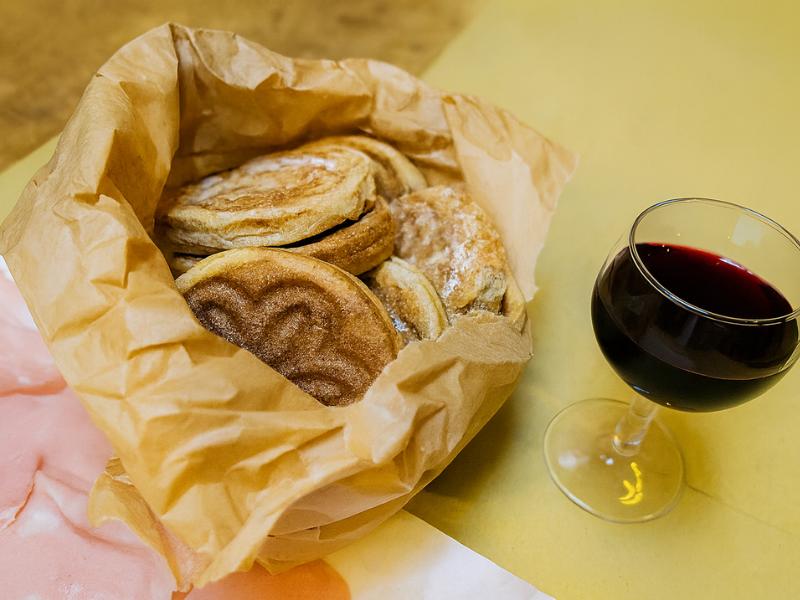
Bologna Walking Food Tour With A Local Expert
Have your Bologna date in mind? Check a three-hour departure before arranging your other meals, and explore the city through guided tastings.
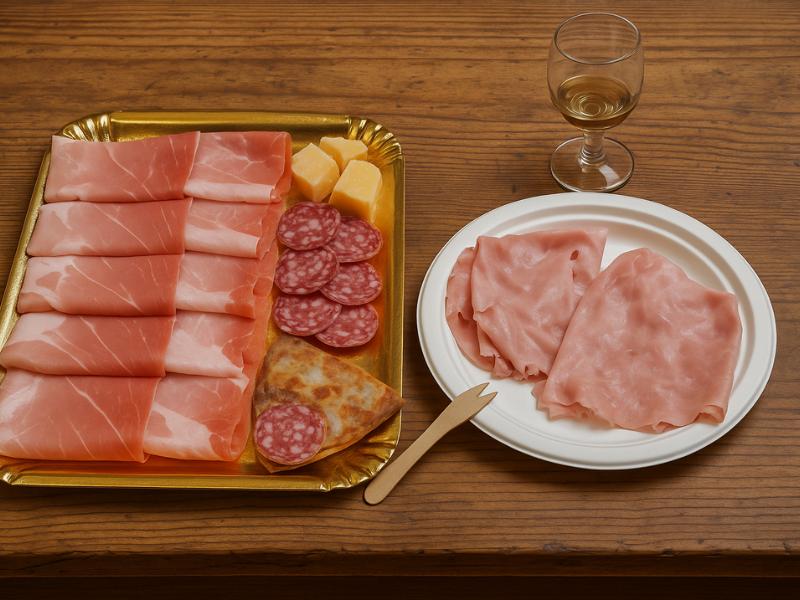
Food Tour in Bologna Through Local Eyes
What can a market route reveal about Bologna’s food traditions? Follow selected local food stops with a host.
Pastamama Home Pasta Class And Lunch
Planning a pasta-making lunch? Check your date before reserving another meal, then prepare fresh pasta in a Bologna home kitchen.
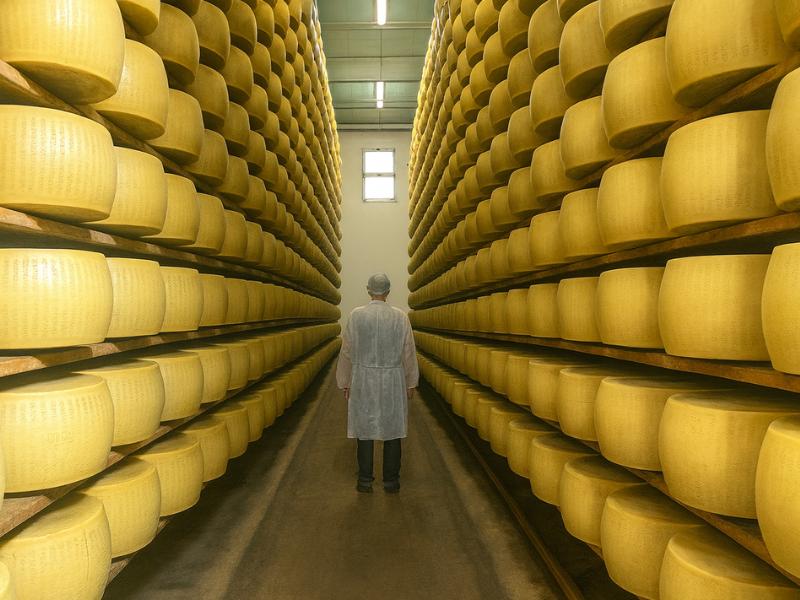
Italian Days Food Producers And Lunch
What lies behind the region’s cheese, balsamic and cured meats? Visit regional cheese, balsamic and cured-meat producers with transport, breakfast and lunch arranged.
What to order (full traditional meal):
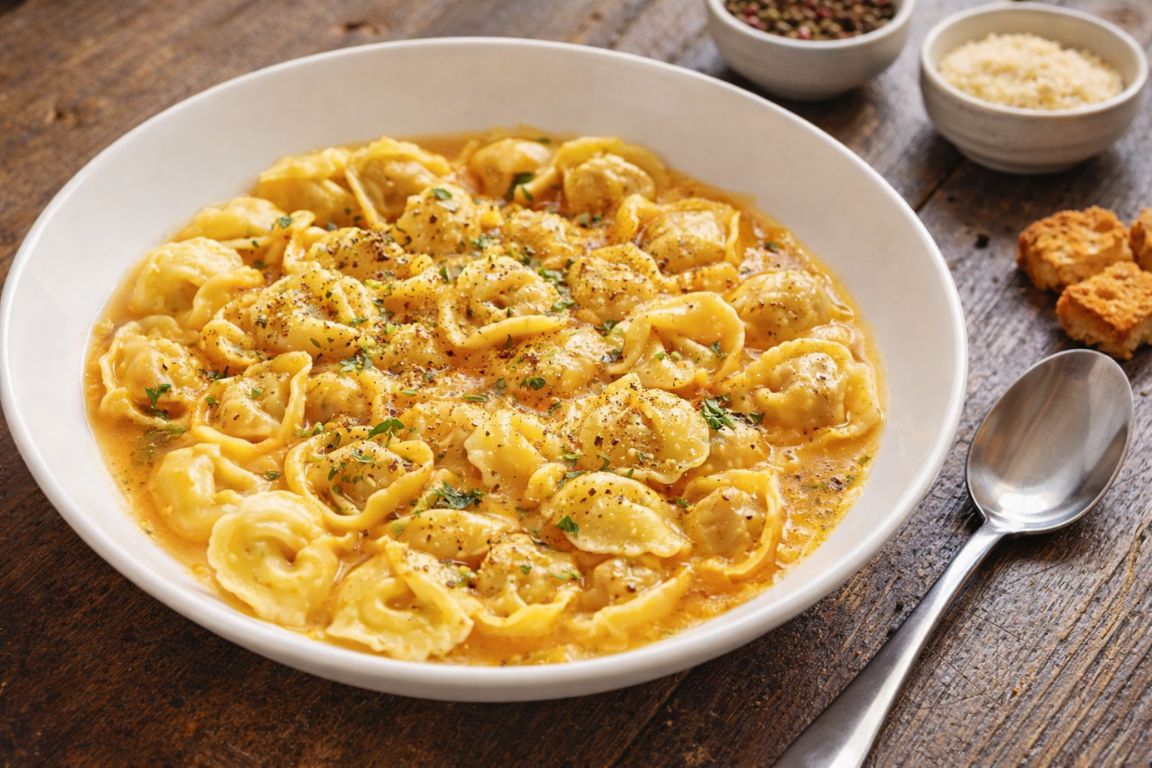
Antipasto: Affettati misti (mixed cured meats, €8-12) – you’ll recognize the mortadella quality now. Maybe tigelle or crescentine with salumi (€8-10).
Primo: Tortellini in brodo (€10-14) – the classic. Compare it to yesterday’s tour version. Is the broth clear and flavorful? Are the tortellini tiny and perfectly folded? OR tagliatelle al ragù (€10-14) – you’ve now had this twice, so you’re becoming an expert on what makes it good.
Secondo (optional): Most people skip this after a primo, but if you’re very hungry, try bollito misto (mixed boiled meats, €14-18) – very traditional but not common on tourist menus.
Wine: Half-liter of house wine (€8-12) or splurge on a bottle of local Pignoletto white or Sangiovese red (€18-30).
Dessert: Skip it (save room for afternoon gelato).
Water: Still or sparkling (€2-3).
Total lunch cost per person: €28-45 depending on wine choice and whether you order secondo
Afternoon (3:30-5:00pm): Gelato and Coffee Walk Through the Historic Center
Walk off lunch exploring Bologna’s porticos and medieval architecture. Around 4pm, stop for gelato at one of the quality gelaterias your food tour guide recommended.
This is your second gelato experience, so try different flavors than yesterday. Cremeria Funivia (Via Parigi 1/b) is famous for their pistachio and crema flavors. Gelateria Gianni (Via Montegrappa 11) makes exceptional fruit flavors in season.
Get a medium cup (€4-5) with two or three flavors. Walk while eating, ending up at a cafe for espresso (€1-1.50) to cleanse your palate.
Total afternoon cost: €5.50-6.50 per person
Aperitivo (6:00-7:30pm): Wine and Snacks in the University District
Experience Bologna’s aperitivo culture. This is the Italian happy hour, but instead of just drinks, you get snacks or buffet food included with your drink purchase.
Walk to the university district or the Quadrilatero. Try Osteria del Sole (Vicolo Ranocchi 1/d) – Bologna’s oldest osteria (opened 1465). They only serve wine, but you bring your own food (buy mortadella and cheese from this morning’s market shopping). Wine is €3-5 per glass.
Or try Le Stanze (Via del Borgo di S. Pietro 1) – beautiful historic venue with proper aperitivo spread. Drinks are €8-12 but include access to substantial buffet food.
Or Bar Senza Nome (Via Pescherie Vecchie 3/e) – tiny spot in the market area, great wine selection, simple snacks.
Order a Spritz Veneziano (€6-8), glass of local wine (€4-7), or Lambrusco (lightly sparkling red wine from nearby Modena, €4-6). Pace yourself – you have dinner coming.
Total aperitivo cost: €6-12 per person
Trying to decide how to tackle Bologna’s food scene? Our guide on Bologna Italy food tours vs eating on your own breaks down the pros and cons of each.
Dinner (8:00-10:00pm): Serious Restaurant Meal at a Quality Osteria
Your last meal in Bologna should be memorable. You’ve learned enough over two days to appreciate a truly excellent traditional meal.
Book a table (walk-ins usually work, but calling ahead is safer) at one of these:
- Ristorante I Carracci (Grand Hotel Majestic, Via dell’Independenza 8) – elegant, expensive, exceptional (€70-100 per person)
- Ristorante Da Cesari (Via de’ Carbonesi 8) – if you didn’t go for lunch, excellent dinner (€40-60)
- Trattoria di Via Serra (Via Luigi Serra 9/b) – reliable authentic quality (€35-50)
- Osteria Bartolini (Via delle Lame 55) – locals love it, traditional (€35-50)
Arrive 8-8:30pm. Order a full meal:
Antipasto: Mortadella with tigelle (€10-12) or affettati misti with Parmigiano (€12-15)
Primo: Order something you haven’t tried yet. Gramigna alla salsiccia (curly pasta with sausage ragù, €11-14) is traditional but less famous than tortellini. Or lasagne alla bolognese (€12-14) – the real version with proper ragù and bechamel.
Secondo: Now that you’re not full from a food tour, order a secondo. Cotoletta alla bolognese (breaded veal cutlet topped with prosciutto and Parmigiano, €16-20) is the signature secondo dish of Bologna.
Contorno: Patate al forno (roasted potatoes, €5-6) or insalata (salad, €4-5)
Wine: Bottle of quality local wine (€25-45) – ask your server for recommendations
Dessert: Zuppa inglese (traditional trifle-like dessert, €6-8) or tortino al cioccolato (chocolate lava cake, €7-9)
Coffee: Espresso or digestivo (amaro, grappa, limoncello, €3-5)
Linger over this meal. You’re not rushing anywhere. This is the Italian dining experience – leisurely, social, savoring every course.
Total dinner cost per person: €60-90 at high-end restaurants, €40-60 at good trattorias
Late Evening (10:30-11:30pm): Final Walk Through Illuminated Bologna
After dinner, walk through Bologna’s historic center one last time. The porticos are beautifully lit at night. Walk from Piazza Maggiore to the Two Towers, back through the Quadrilatero, past the illuminated Basilica di San Petronio.
Stop for a final digestivo at a wine bar if you want (€4-6), or just enjoy the walk. Reflect on two days of excellent eating. You’ve learned to identify quality mortadella, understand why tortellini belongs in brodo, recognize good ragù, appreciate aged Parmigiano, and navigate Bologna’s food culture like a semi-local.
Day 2 Total Food Cost: €132-220 per person (€3-7 breakfast + €30-50 market shopping + €28-45 lunch + €5.50-6.50 gelato/coffee + €6-12 aperitivo + €60-90 dinner, or €40-60 at trattoria)
Day 2 Bologna Food Itinerary:
Planning examples in this table are not current quotes or measured guarantees. Confirm prices, opening hours, party size and inclusions directly for your date.
| Time | Activity | Location | What to Eat/Do | Cost Per Person | Why This Timing |
|---|---|---|---|---|---|
| 8:00-9:00am | Italian breakfast | Neighborhood cafe | Cappuccino + cornetto/pastry | €3-7 | Local experience, not rushing |
| 9:00-11:00am | Market shopping | Mercato di Mezzo | Mortadella, Parmigiano, balsamic, bread | €30-50 | Peak market hours, vendor selection |
| 12:30-2:00pm | Traditional lunch | Trattoria | Antipasto + primo + wine | €28-45 | Proper Italian lunch time |
| 3:30-5:00pm | Gelato + coffee | Quality gelateria + cafe | Gelato (2-3 flavors) + espresso | €5.50-6.50 | Afternoon tradition, digest lunch |
| 6:00-7:30pm | Aperitivo | Wine bar/osteria | Spritz/wine + snacks | €6-12 | Italian happy hour culture |
| 8:00-10:00pm | Serious dinner | Quality restaurant | Full traditional meal (4-5 courses) | €40-90 | Leisurely Italian dinner |
| 10:30-11:30pm | Evening walk | Historic center | Digestivo optional | €0-6 | Enjoy illuminated Bologna |
| Daily Total | – | – | – | €132-220 | Full immersion in food culture |
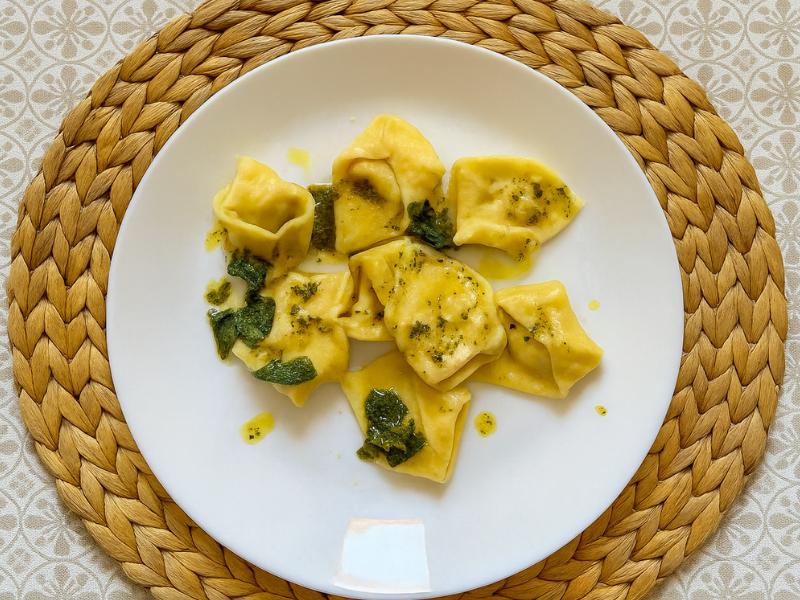
Where Are The Best Places To Eat In Bologna’S Quadrilatero For This Itinerary?
Specific restaurant recommendations organized by meal type and budget around Piazza Maggiore and the Quadrilatero district.
Best Breakfast Spots Near Mercato di Mezzo:
Caffetteria Pasticceria Zanarini (Piazza Galvani 1) – elegant historic cafe, €3-6 breakfast Bar Senza Nome (Via Pescherie Vecchie 3/e) – local favorite, simple, €2-4 breakfast
Pasticceria Gamberini (Via Ugo Bassi 12) – excellent pastries since 1907, €3-5 breakfast Le Squisivoglie (Via Augusto Righi 18) – artisan bakery, brilliant cornetti, €2-4 breakfast
Best Lunch Trattorias in the Historic Center:
Trattoria Anna Maria (Via Belle Arti 17) – €25-35 per person, university district, authentic Trattoria del Rosso (Via Augusto Righi 30) – €20-30 per person, no-frills traditional Osteria dell’Orsa (Via Mentana 1) – €20-30 per person, student favorite, excellent value Trattoria di Via Serra (Via Luigi Serra 9/b) – €30-40 per person, family-run, brilliant ragù Ristorante Da Cesari (Via de’ Carbonesi 8) – €35-50 per person, established 1955
Best Dinner Restaurants Around Piazza Maggiore:
Budget-Friendly (€30-45 per person):
- Osteria Bartolini (Via delle Lame 55)
- Trattoria Tony (Via Augusto Righi 5)
- Osteria Broccaindosso (Via Broccaindosso 7a)
Mid-Range (€45-65 per person):
- Ristorante Da Cesari (Via de’ Carbonesi 8)
- Trattoria di Via Serra (Via Luigi Serra 9/b)
- Ristorante Da Nello (Via Montegrappa 2)
Upscale (€70-100+ per person):
- Ristorante I Carracci (Via dell’Independenza 8)
- Ristorante Pappagallo (Piazza della Mercanzia 3c)
- Ristorante I Portici (Via dell’Independenza 69)
Best Gelato Shops in the Historic Center:
Cremeria Funivia (Via Parigi 1/b) – artisan, brilliant pistachio and crema Gelateria Gianni (Via Montegrappa 11) – local favorite, excellent fruit flavors Stefino (Via Galliera 49) – small batch, rotating flavors La Sorbetteria Castiglione (Via Castiglione 44) – creative flavors, quality ingredients
Best Aperitivo Spots Near the University District:
Budget Aperitivo (€4-8):
- Osteria del Sole (Vicolo Ranocchi 1/d) – BYO food, wine only
- Bar Senza Nome (Via Pescherie Vecchie 3/e) – simple, authentic
Mid-Range Aperitivo (€8-15):
- Le Stanze (Via del Borgo di S. Pietro 1) – beautiful venue, buffet included
- Caminetto d’Oro (Via de’ Falegnami 4) – traditional, good spread
- Divinis (Via Battibecco 4/a) – wine bar, quality snacks
Bologna Restaurant Recommendations By Category:
Planning examples in this table are not current quotes or measured guarantees. Confirm prices, opening hours, party size and inclusions directly for your date.
| Category | Restaurant Name | Location | Price Range | Best For | Signature Dish |
|---|---|---|---|---|---|
| Breakfast | Caffetteria Zanarini | Piazza Galvani 1 | €3-6 | Elegant atmosphere | Pastries, cappuccino |
| Breakfast | Bar Senza Nome | Via Pescherie Vecchie 3/e | €2-4 | Local authentic | Cornetto, espresso |
| Lunch Trattoria | Anna Maria | Via Belle Arti 17 | €25-35 | Traditional, university area | Tortellini in brodo |
| Lunch Trattoria | Via Serra | Via Luigi Serra 9/b | €30-40 | Best ragù | Tagliatelle al ragù |
| Dinner (Budget) | Osteria Bartolini | Via delle Lame 55 | €30-45 | Locals favorite | Gramigna alla salsiccia |
| Dinner (Mid) | Da Cesari | Via de’ Carbonesi 8 | €35-50 | Reliable quality | Cotoletta bolognese |
| Dinner (Upscale) | I Carracci | Via dell’Independenza 8 | €70-100 | Special occasion | Full tasting menu |
| Gelato | Cremeria Funivia | Via Parigi 1/b | €3-5 | Best pistachio | Pistachio, crema |
| Gelato | Gelateria Gianni | Via Montegrappa 11 | €3-5 | Fruit flavors | Seasonal fruits |
| Aperitivo | Le Stanze | Via del Borgo di S. Pietro 1 | €8-15 | Beautiful venue | Spritz + buffet |
If you’re new to Bologna, here are the best restaurants in Bologna Italy food tours take you to, so you know what to expect or book on your own.
How Much Does This 2-Day Bologna Food Itinerary Actually Cost?
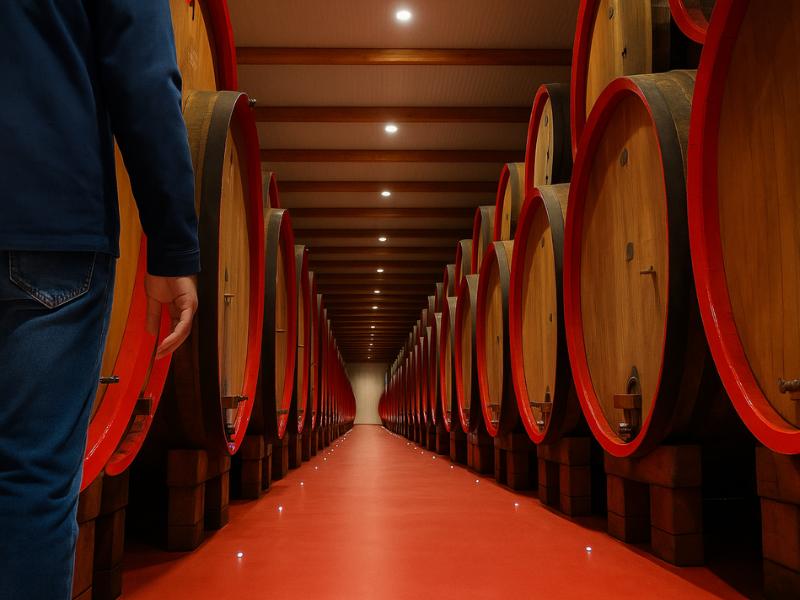
Detailed budget breakdown for two days of eating in Bologna’s historic center.
Day 1 Costs (Tour Education Day):
- Light breakfast: €3-5 per person
- Bologna food tour + tip: €88-112 per person
- Light dinner (shared dish): €10-13 per person
- Evening gelato: €3-4 per person
- Day 1 Total: €104-134 per person
Day 2 Costs (Independent Eating Day):
- Proper breakfast: €3-7 per person
- Market shopping: €30-50 per person (take-home products)
- Traditional lunch: €28-45 per person
- Afternoon gelato + coffee: €5.50-6.50 per person
- Aperitivo: €6-12 per person
- Serious dinner: €40-90 per person (€40-60 trattoria, €70-90 upscale)
- Day 2 Total: €113-210 per person (budget conscious: €113-141, comfortable: €141-210)
2-Day Grand Total:
- Budget approach: €217-275 per person
- Moderate approach: €250-320 per person
- Comfortable approach: €280-344 per person
What This Includes:
- One comprehensive Bologna food tour
- 6 meals (2 breakfasts, 2 lunches, 2 dinners)
- 2 gelato experiences
- 1 aperitivo
- Market shopping (mortadella, Parmigiano, balsamic to take home)
- All coffee, water, and incidentals
What This Doesn’t Include:
- Accommodation (€60-180 per night depending on location/quality)
- Museums or attractions (€5-15 each)
- Shopping beyond food (clothing, souvenirs)
- Transportation from other cities
2-Day Bologna Food Budget Breakdown:
Planning examples in this table are not current quotes or measured guarantees. Confirm prices, opening hours, party size and inclusions directly for your date.
| Budget Level | Day 1 Cost | Day 2 Cost | Total 2 Days | What You Get | What You Skip |
|---|---|---|---|---|---|
| Budget Conscious | €104-120 | €113-141 | €217-261 | Tour + basic meals + gelato | Upscale dinner, premium wines |
| Moderate | €115-134 | €141-180 | €256-314 | Tour + quality meals + aperitivo | Only expensive restaurants |
| Comfortable | €120-134 | €170-210 | €290-344 | Tour + excellent meals + wines | Nothing – full experience |
| Splurge | €125-134 | €200-280 | €325-414 | Tour + upscale dining + premium everything | Nothing – luxury version |
What Should You Do Between Meals In Bologna’S Historic Center?
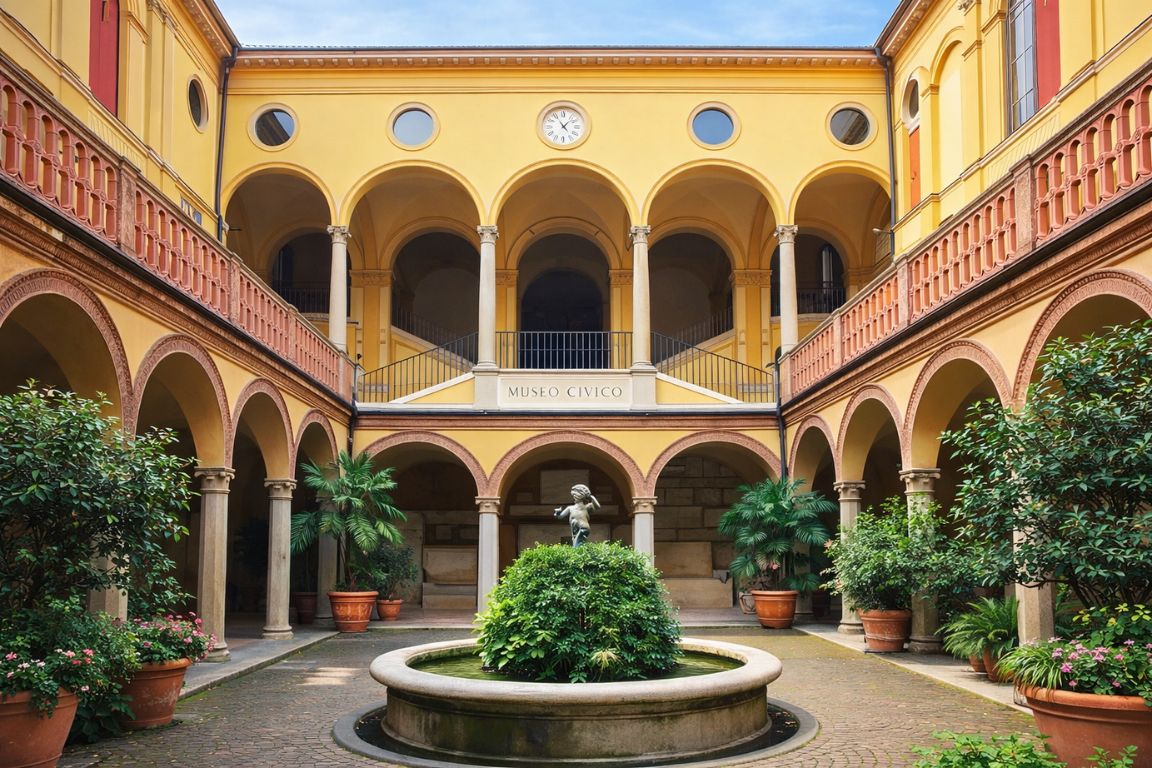
The 2-day food itinerary includes significant eating time, but you’ll have gaps between meals. Here’s how to fill them productively without ruining your appetite.
Between Breakfast and Food Tour (30-45 minutes): Walk from your breakfast cafe to the food tour meeting point at Piazza Maggiore. Arrive 10 minutes early. Take photos of the square, check out Basilica di San Petronio’s facade, watch local life.
Between Food Tour and Dinner (2-6pm on Day 1): You’re full and need to rest. Options:
- Return to hotel for 90-minute nap (recommended – you’ll be tired from tour walking)
- Visit Medieval Museum or Archaeological Museum (both near Piazza Maggiore, €5-7 each, 90 minutes)
- Walk the porticos photographing architecture (free, as long as you want)
- Climb Asinelli Tower (498 steps, €5, 30-45 minutes, excellent views but requires energy)
Don’t eat anything substantial. Maybe one espresso if you’re dragging around 4pm.
Between Market and Lunch (11am-12:30pm on Day 2): After shopping at Mercato di Mezzo, you have 90 minutes. Walk Via Pescherie Vecchie (medieval market street) looking at specialty food shops. Visit Paolo Atti & Figli (bakery, Via Caprarie 7). Browse Tamburini (gourmet food shop, Via Caprarie 1). Don’t buy much (you’re eating lunch soon), but window shop and learn.
Between Lunch and Gelato (2-3:30pm on Day 2): Walk off lunch. Follow the porticos toward the university district. See Archiginnasio (historic university building with anatomical theater, Via dell’Archiginnasio 1, €3-5, 45 minutes). Walk to the Two Towers, photograph them. Wander residential streets away from tourist areas.
Between Aperitivo and Dinner (7:30-8pm on Day 2): Brief walk from aperitivo spot to dinner restaurant. Don’t rush. Italians eat dinner 8-9pm, so early arrival is fine but not necessary. Walk slowly through the Quadrilatero one last time, observing evening life.
Ready to plan your visit to Bologna Italy food tours? Use this seasonal guide to choose your timing, then dive into logistics, bookings, and day-by-day strategies.
Activities Between Meals:
| Time Gap | Duration | Energy Level | Best Activities | What to Avoid |
|---|---|---|---|---|
| Pre-food tour (Day 1) | 30-45 min | High | Walk to meeting point, explore Piazza Maggiore | Any eating |
| Post-tour afternoon (Day 1) | 4 hours | Low (full, tired) | Nap, museums, gentle walking | Strenuous activity, eating |
| Post-market morning (Day 2) | 90 min | Medium | Food shop browsing, via Pescherie Vecchie | Heavy purchases, eating |
| Post-lunch (Day 2) | 90 min | Medium-low | University area walk, Archiginnasio | Climbing towers, eating |
| Pre-dinner (Day 2) | 30 min | Medium | Gentle walk to restaurant | Rushing, additional snacks |
FAQs
Can I do this itinerary if I only have 1.5 days in Bologna? Yes, compress it. Do the Bologna food tour on day 1 morning, light dinner that evening. Day 2 morning hit Mercato di Mezzo for shopping, have one excellent lunch, then depart. Skip day 2 dinner and aperitivo. You’ll miss some experiences but get the core food education and application.
What if restaurants are closed when I arrive? Many Bologna restaurants close Sunday or Monday, and some take vacation in August or January. Check restaurant websites or call ahead for important meals. Have backup options. Ask your food tour guide on day 1 for current recommendations and closing schedules.
Can I bring children on this food itinerary? Depends on the child. Food-interested kids 12+ who try new things handle this itinerary fine. Picky eaters under 10 struggle – the food tour is 3-4 hours (too long), traditional dishes don’t appeal to young palates, restaurants expect quieter behavior. Consider booking family-specific Bologna food tours with shorter duration.
Should I make restaurant reservations or just walk in? For day 1 light dinner and day 2 lunch, walk-ins work fine if you arrive at proper Italian times (12:30-1pm lunch, 8-8:30pm dinner). For day 2 upscale dinner, calling ahead is safer, especially on weekends. Restaurants in the university district are more flexible than Quadrilatero tourist areas.
Can I swap day 1 and day 2? Not recommended. The food tour on day 1 educates you for day 2’s independent eating. If you eat independently first, you won’t know what to look for, what makes quality ingredients, or where to shop. The itinerary sequence is designed for learning then applying knowledge.
What if I can’t walk 2km on cobblestones? The food tour requires sustained walking and standing on uneven surfaces. If you have mobility limitations, book a private Bologna food tour and request a shortened route with more sitting breaks. For independent meals, choose restaurants near your hotel to minimize walking. Taxis are available (€10-15) for longer distances.
Can I take food from Mercato di Mezzo back to my home country? Vacuum-sealed mortadella and aged Parmigiano travel well in checked luggage. Check your country’s customs regulations – most allow personal quantities of packaged cured meats and hard cheeses. Traditional balsamic vinegar (liquid) must go in checked luggage (TSA liquid restrictions). Many vendors at Mercato di Mezzo ship internationally if you want larger quantities.
Glossary
Quadrilatero: Bologna’s historic market district with narrow medieval streets containing food shops, restaurants, and Mercato di Mezzo, primary area for this 2-day itinerary.
Mercato di Mezzo: Bologna’s main covered market operating since medieval times, essential day 2 morning stop for shopping mortadella, Parmigiano, and traditional products.
Tortellini in brodo: Traditional preparation of tiny hand-folded pasta filled with meat and cheese served in clear capon or beef broth, authentic Bolognese way versus cream sauce tourist versions.
Tagliatelle al ragù: Wide fresh egg pasta ribbons served with meat ragù simmered 3-4 hours, the authentic “bolognese” dish (never served on spaghetti in Bologna).
Aperitivo: Italian pre-dinner tradition (6-8pm) of drinks accompanied by snacks or buffet food, essential day 2 evening experience in university district wine bars.
Sfoglina: Professional female pasta maker who hand-rolls egg dough to paper-thin sheets for tortellini and tagliatelle, demonstrated on morning food tours.
Affettati misti: Mixed plate of cured meats (mortadella, prosciutto, salame) served as appetizer, good way to compare quality at different restaurants.
Cotoletta alla bolognese: Breaded veal cutlet topped with prosciutto and melted Parmigiano, Bologna’s signature secondo (main course) dish.
Tramezzino: Italian sandwich on soft white bread, found at cafes and bars, good light breakfast option with mortadella and stracchino cheese.
Osteria: Traditional Italian tavern or wine bar, usually casual atmosphere serving local food, many excellent options around university district.
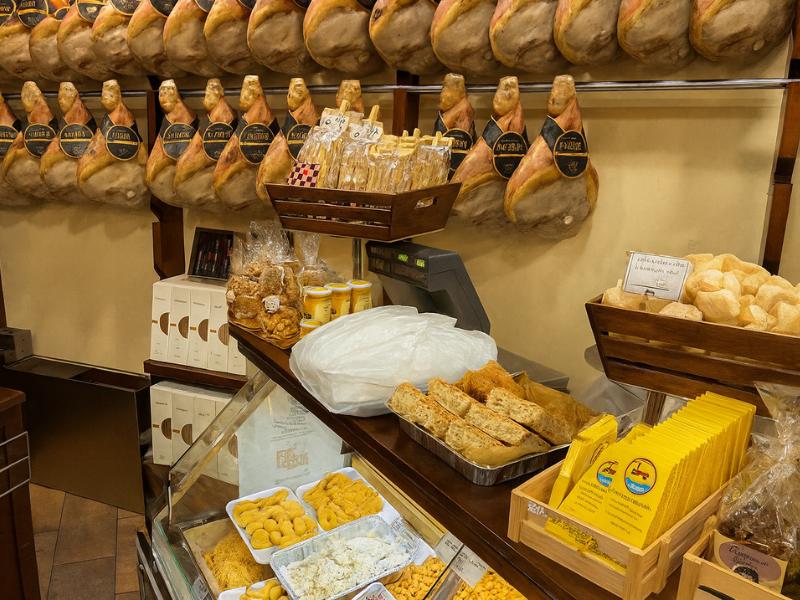
Private Bologna Food And Market Walk
Coordinating a food day for your group? Check your private-walk date before settling everyone’s plans, with a guide dedicated to your party.
Bologna Walking Food Tour With A Local Expert
What could a local expert reveal between Bologna’s tasting stops? Taste pasta, cheese, cold cuts, wine and gelato while a local expert connects the stops.
Italian Days Food Producers And Lunch
Ready to explore beyond Bologna? Check the producer-day date before arranging regional travel, with transport, visits and lunch in one experience.